Heating Maintenance in Edgerton, KS
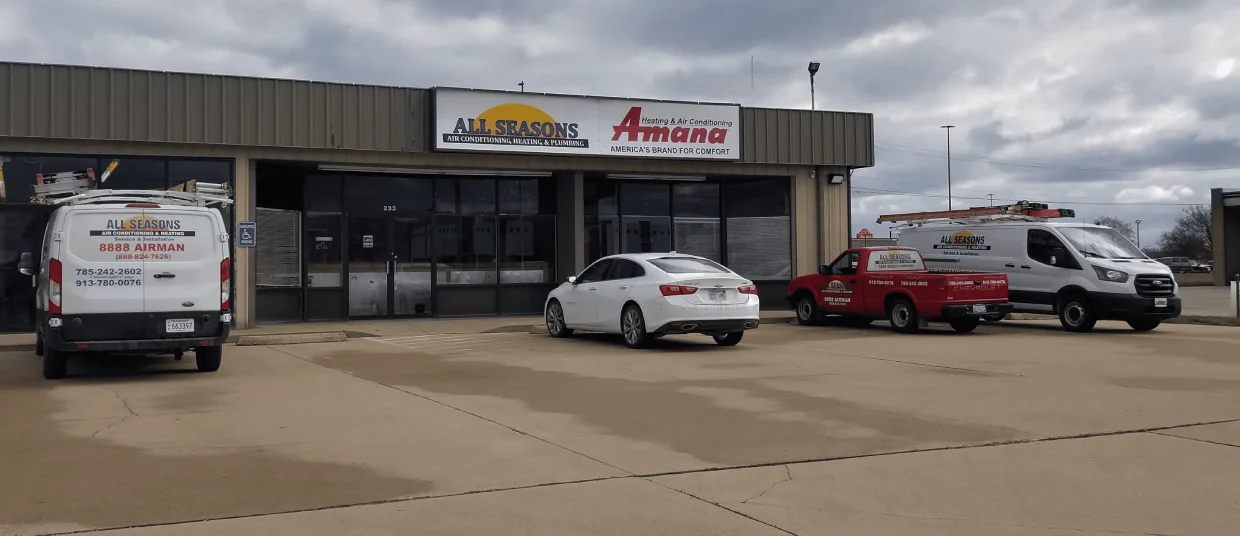
All Seasons Air Conditioning and Heating provides professional heating maintenance services for Edgerton, Kansas, emphasizing safety, efficiency, and reliability during cold winters. We describe common local issues such as clogged filters, short cycling, and high energy use, and explain what a maintenance visit includes—from safety checks and system inspections to airflow tuning and filter replacement. We also highlight membership benefits, residential and commercial plan options, our diagnostic processes, and actionable tips to extend equipment life and reduce operating costs for your property.
.webp)
Heating Maintenance in Edgerton, KS
Keeping your heating system running safely, efficiently, and reliably is essential for Edgerton homes and businesses. With cold Kansas winters, wide temperature swings, prairie winds, and local industrial dust from nearby logistics and rail facilities, routine heating maintenance in Edgerton, KS prevents breakdowns when you need heat most, improves comfort, and lowers long-term operating costs. Below is a clear, practical guide to what professional heating maintenance covers, common issues we see locally, membership plan benefits, and the maintenance options available for both residential and commercial customers.
Why heating maintenance matters in Edgerton, KS
- Kansas winters bring sustained below-freezing stretches and occasional extreme cold. A well-maintained system is less likely to fail during those critical days.
- Local winds and seasonal pollen/dust increase filter load and can reduce airflow and efficiency if not addressed.
- Commercial sites in Edgerton’s industrial areas require reliable, scheduled service to protect productivity and equipment warranties.
- Regular maintenance can improve system efficiency, reduce utility bills, reduce emergency repairs, and extend equipment life by several years.
Common heating problems in Edgerton homes and businesses
- Weak or uneven heating due to clogged filters, restricted airflow, or poorly balanced ductwork.
- Short-cycling from dirty burners, malfunctioning thermostats, or incorrect gas pressure.
- Pilot or ignition failures caused by dirty components or failing control parts.
- Increased fuel or electricity use from neglected burners, dirty heat exchangers, or failing blower motors.
- Safety risks including cracked heat exchangers, blocked vents, or poor combustion that can produce carbon monoxide.
- Commercial wear from heavy run times, poor filtration, and lack of seasonal inspections.
What a professional heating maintenance visit includes
Each visit follows an organized checklist to ensure safety and performance. Typical steps include:
- Visual system inspection: cabinet, condensate lines, venting, and duct transitions.
- Safety checks: combustion analysis or CO check when applicable, heat exchanger inspection for visible cracks, and verification of correct venting and limit controls.
- Fuel and ignition system inspection: burners, pilot assembly or electronic ignition, gas pressure and valve operation.
- Airflow and blower checks: motor operation, belts, bearings, and measuring airflow to identify restrictions.
- Heat transfer cleaning: removing soot or debris from heat exchangers and cleaning burners to restore proper combustion.
- Electrical inspection: tightness of connections, inspection of controls, relays, and capacitors.
- Thermostat calibration and system cycling: confirming accurate temperature sensing and proper sequence of operation.
- Filter inspection and replacement: confirming correct size and condition (standard 1 inch filters commonly replaced; thicker media filters handled per agreement).
- System Tune-Up: lubricating moving parts where appropriate, adjusting blower speeds, and verifying efficient operation.
Tune-Up procedures that improve efficiency and longevity
A thorough Tune-Up does more than catch problems. Typical efficiency-improving procedures performed during maintenance include:
- Cleaning burners and heat exchangers to restore efficient combustion.
- Adjusting burner/air mixture for optimal fuel use.
- Verifying and optimizing blower motor performance to reduce electrical use and improve comfort.
- Sealing minor duct leaks found during inspection and recommending larger ductwork repairs when needed.
- Replacing dirty air filters and advising on upgraded filtration for homes with pets or local dust exposure.
These measures commonly yield measurable energy savings and reduce stress on components, often cutting operating costs and extending useful life.
Filter replacement schedule and indoor air quality
- Standard 1 inch disposable filters: inspect and change every 1 to 3 months depending on occupancy, pets, and dust levels. Most maintenance plans include one 1 inch filter per visit.
- Pleated or 4-5 inch media filters: longer life between changes but may be an additional charge in some plans; inspect every 3 to 6 months.
- Commercial facilities often need more frequent changes or higher MERV-rated filters to protect equipment and indoor air quality.
Membership and maintenance plan benefits
Membership plans are designed for predictable care and priority service:
- Scheduled seasonal visits: typically one pre-winter furnace Tune-Up and, when applicable, an off-season check. Commercial plans can be scheduled twice yearly or quarterly.
- Priority appointment scheduling during cold snaps and peak season.
- Discounted labor and parts on recommended repairs (details vary by plan).
- Filter replacement included for standard 1 inch filters under many residential plans; commercial plans include customized filter programs.
- Detailed service reports after each visit documenting findings, test results, and recommended next steps so you can budget for replacements.
Residential vs commercial agreement options
- Residential plans: focus on comfort, safety, and predictable home service. Include two seasonal visits, basic filter coverage, safety checks, and priority scheduling.
- Commercial plans: scalable agreements for small businesses, retail spaces, and industrial facilities in Edgerton. Options cover HVAC systems, rooftop units, make-up air, and refrigeration equipment with flexible frequencies (biannual or quarterly) and prioritized service windows to minimize downtime.
- Custom maintenance: for larger sites or multi-unit complexes, contracts can include detailed reporting, parts inventory recommendations, and scheduled preventative replacements.
How professional diagnostics work and what to expect
Technicians begin with system history and an inspection, then run diagnostic tests to measure combustion, airflow, electrical draw, and thermostat performance. Findings are recorded and explained in plain language, prioritized by safety and disruption risk. Recommended repairs are separated into safety-critical fixes, efficiency improvements, and longer-term upgrades so decision-makers can act with clear information.
Practical maintenance tips for Edgerton property owners
- Replace or inspect 1 inch filters every 1–3 months; consider upgraded filtration if dust or pets are an issue.
- Keep return vents and supply registers unobstructed to maintain airflow.
- Install carbon monoxide detectors on each floor if you have a fossil fuel heating appliance.
- Schedule a professional inspection before the first heating season use and again midseason if your system is older.
- For commercial sites, keep exterior intake and exhaust areas clear of debris and snow to prevent blocked venting.
The broader benefits of routine heating maintenance
Routine maintenance protects occupants from safety risks, stabilizes heating costs by preserving efficiency, reduces the chance of emergency failures during extreme cold, and helps preserve equipment value for resale or long-term operation. For Edgerton residents and businesses facing Kansas winters and local environmental factors, proactive heating maintenance is the most reliable way to ensure comfort, safety, and predictable operating costs through the heating season.
Customer Testimonials
Service Areas