Dryer Vent Cleaning in Gardner, KS
Dryer vent cleaning in Gardner, KS from All Seasons Air Conditioning and Heating is a crucial preventative home service that significantly reduces fire hazards, improves energy efficiency, and extends your appliance's life. We explain why vents often clog—such as longer runs, nesting, lint buildup, and condensation—along with clear signs of trouble and our thorough cleaning process: inspection, complete lint removal, meticulous duct brushing, powerful vacuum debris extraction, optional vent repair, and post-service testing. Our regular maintenance plans and frequency recommendations help keep clothes drying safer, faster, and more cost-effective. All Seasons Air Conditioning and Heating can also advise when to upgrade your ducts.
.webp)
Dryer Vent Cleaning in Gardner, KS
Dryer vent cleaning is an essential home service that protects your family and lowers household energy waste. In Gardner, KS homes — where seasonal humidity, winter heating cycles, and older house layouts can create longer duct runs — a clogged dryer vent is one of the most common and preventable safety hazards. Proper cleaning restores dryer efficiency, shortens drying times, reduces fire risk, and extends appliance life.
Why dryer vent cleaning matters
- Fire prevention: Lint is highly flammable. A restricted vent raises dryer temperature and creates conditions that can ignite lint inside the dryer or duct.
- Energy and time savings: A clean vent lets hot air exhaust properly so loads dry faster, using less electricity and reducing wear on the dryer.
- Appliance longevity: Overheating shortens motor and component life. Vent cleaning helps avoid premature repairs or replacement.
- Indoor air quality and mold prevention: Trapped moisture in blocked ducts can encourage mold and musty odors that circulate through your laundry area.
Common dryer vent problems in Gardner, KS
Gardner’s climate and home styles contribute to specific vent issues:
- Longer vent runs in older or split-level homes that route to the side or rear exterior
- Seasonal bird, rodent, or insect nesting at exterior terminations during spring and summer
- Increased lint accumulation during winter when indoor drying and heavier laundry use are common
- Condensation in long horizontal ducts leading to trapped lint and reduced airflow
Watch for these signs of a clogged or failing dryer vent:
- Longer dry times — loads take significantly more cycles to dry
- Burning or scorched smells during operation
- Excessive heat in the laundry room or the dryer housing after a cycle
- Lint buildup around the dryer or at the exterior vent hood
- Dryer trips the breaker or shuts off unexpectedly because of overheating
- Visible smoke or discoloration on the dryer vent or surrounding surfaces
Typical dryer vent cleaning process
A professional dryer vent cleaning should be systematic and documented. The usual service includes:
- Visual check of the dryer, lint trap, connector hose, and exterior vent.
- Measurement or estimation of duct length and layout (number of bends, horizontal runs).
- Airflow measurement or thermal check to identify performance loss.
- Remove and clean the dryer's lint trap and housing.
- Inspect the dryer's internal exhaust connection for residual lint.
- Use specialized brushes and rotary tools to dislodge lint from the entire duct run.
- For long or complex ducts, brush heads and access tools clean through bends and offsets.
- High-powered vacuums capture dislodged lint and debris to prevent it from settling elsewhere.
- Capture at both the dryer and the exterior vent when possible.
- Replace crushed, flexible foil ducts with smooth-walled, rigid or semi-rigid ducts when recommended.
- Repair or replace damaged vent hoods, backdraft dampers, or exterior terminations.
- Seal gaps and secure connections to improve airflow and reduce leakage.
- Re-measure airflow and check exhaust temperature to confirm improvement.
- Inspect exterior termination for free flow and proper closure to prevent pests.
- Provide a clear summary of findings and recommended next steps.
Repairs and duct replacement
Some homes require more than cleaning:
- Collapsed or crushed ducts, commonly found in older installations or garages, reduce airflow dramatically.
- Long flexible ducts with multiple bends collect lint faster and are harder to clean thoroughly.
- Upgrading to smooth-walled rigid or semi-rigid metal ducts and a properly sized exterior hood often yields the best long-term results and reduces cleaning frequency.
Benefits of regular dryer vent cleaning
- Lowered fire risk and improved household safety
- Shorter drying cycles and lower energy bills
- Reduced strain on dryer components and longer appliance life
- Fewer unexpected dryer repairs and less risk of home damage from overheating
- Improved indoor air quality and reduced moisture-related problems
Recommended cleaning frequency
General guidance, adjusted for local conditions and household habits:
- Homes with 1–2 people and light laundry use: inspect annually, clean as needed
- Average family households (3–4 people): clean every 6–12 months
- High-use households (large families, frequent loads) or long/complex vent runs: every 3–6 months
- If you notice any warning signs (long dry times, odors, overheating), schedule an inspection immediately
Maintenance plan options
A maintenance plan for dryer vents can be bundled with HVAC or home maintenance services. Typical plans include:
- Scheduled inspections and cleanings at an interval matched to household use
- Priority scheduling for off-season checks (fall/winter) when laundry demand rises
- Annual documentation of airflow improvements and any recommended repairs
- Discounted rates on duct replacement or vent hood repairs when bundled with recurring service
Preparing for a dryer vent service
To help the technician work efficiently, have the following ready:
- Clear the area around the dryer and provide access to the dryer from both front and rear if possible
- Note dryer make/model and any recent repairs
- Describe symptoms (length of cycles, smells, noises)
- If the dryer vents through a garage or roof, point out access routes and any safety considerations
FAQs
Q: Is dryer vent cleaning a safety requirement?A: While requirements vary, many local codes and manufacturer warranties recommend regular vent maintenance to prevent fire hazards and maintain performance.
Q: Can I clean the vent myself?A: Home methods (vacuuming the lint trap, using a brush through the duct) help, but professional cleaning uses specialized tools to reach entire duct runs, measure airflow, and address structural issues.
Q: How long does a professional cleaning take?A: Typical single-family home cleanings last 45–90 minutes depending on duct length, condition, and necessary repairs.
Q: Will cleaning fix all dryer problems?A: Cleaning resolves most airflow and overheating problems. If the dryer has mechanical issues (heating element, thermostat, motor), an appliance technician may be needed.
Q: How do I know if my exterior vent is working correctly?A: A functioning exterior vent should open fully during operation, eject warm air and lint, and close when not in use to prevent pests. A tech can confirm by visual inspection and airflow testing.
Final considerations
Regular dryer vent cleaning is a high-impact, preventative service for Gardner, KS homes. It addresses real safety risks and recurring energy waste, especially in areas with seasonal laundry demand and older home duct layouts. When maintained on the recommended schedule, your dryer runs safer, faster, and more efficiently, keeping your household comfortable and protecting your investment in home appliances.
Customer Testimonials
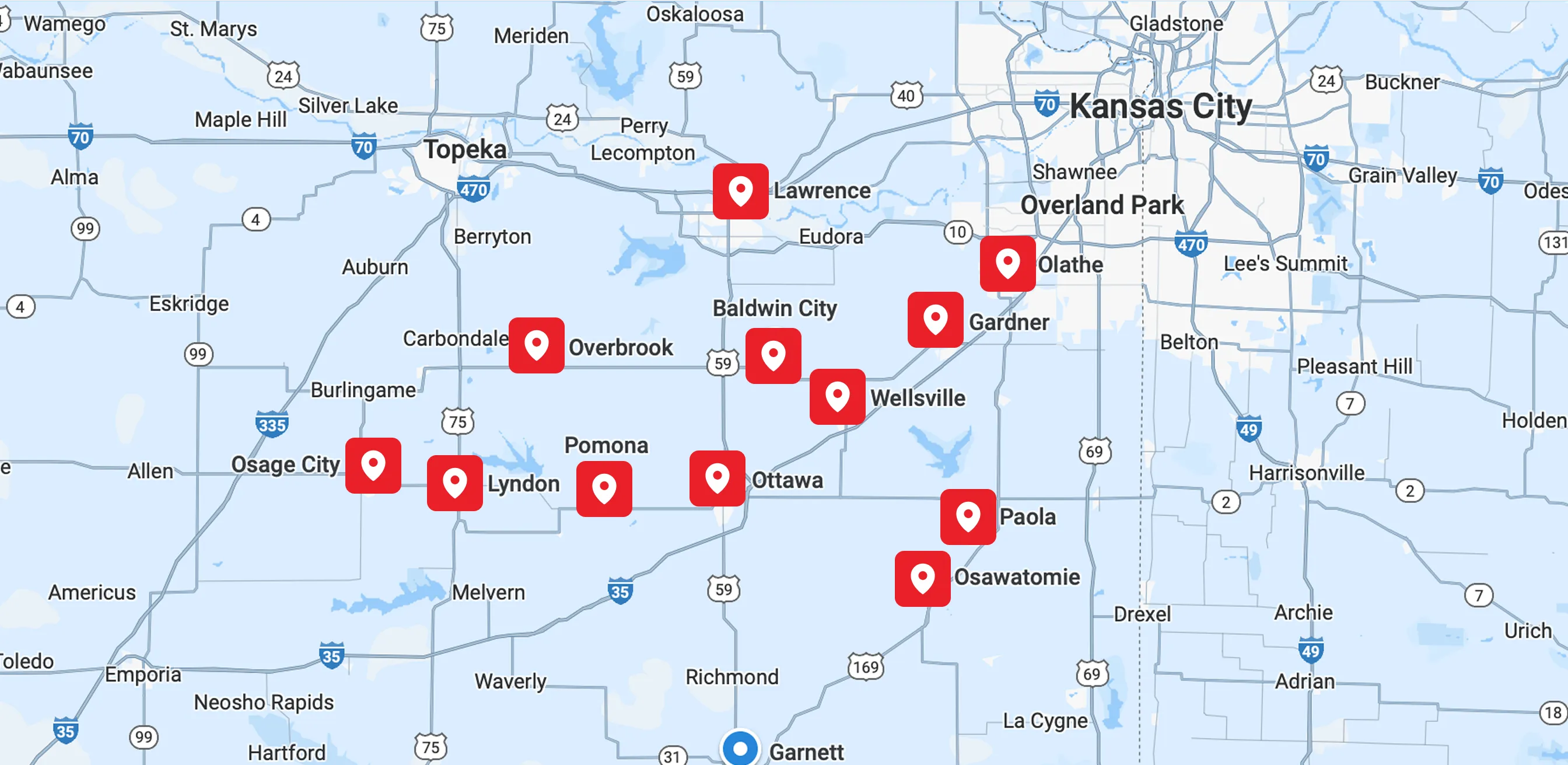
Service Areas