
Ventilation in Gardner, KS
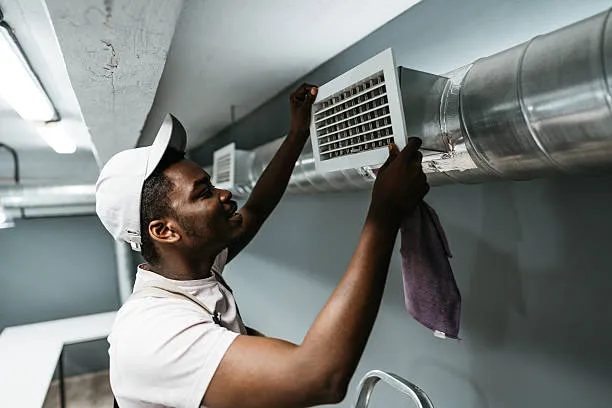
Ventilation services for Gardner, KS homes from All Seasons Air Conditioning and Heating offer expert assessment, installation, and maintenance of energy-efficient systems that dramatically improve air quality and comfort. Our comprehensive approach covers ERVs, HRVs, balanced mechanical ventilation, and precise duct integration to ensure fresh air reaches all occupied spaces while effectively controlling humidity and pollutants. We provide a clear workflow from the initial site assessment to system commissioning, along with routine maintenance, troubleshooting, and convenient service agreements. The result is reliable ventilation that effectively reduces allergens, odors, and energy waste, all while supporting your home’s heating and cooling systems.
Ventilation in Gardner, KS
Proper ventilation is one of the most effective ways to improve comfort, indoor air quality, and energy efficiency in Gardner, KS homes. With humid summers, cold winters, and seasonal pollen that affects many Johnson County households, relying on leaky windows or intermittent bathroom fans is not enough. Professional ventilation solutions — from energy recovery ventilators (ERVs) to balanced whole-house supply and exhaust systems — control moisture, dilute pollutants, and keep your HVAC system working the way it was designed.
Common ventilation services and options in Gardner, KS
Home ventilation needs vary by home size, age, and occupancy. Typical offerings include:
- Energy Recovery Ventilators (ERVs): Transfer heat and some moisture between outgoing and incoming air to provide fresh air without large energy penalties — useful for Gardner’s humid summers and cold winters.
- Heat Recovery Ventilators (HRVs): Exchange heat but limit moisture transfer, best for very dry climates or homes that need humidity control in winter.
- Supply and exhaust fans: Whole-house supply fans, bath and kitchen exhaust upgrades, and dedicated continuous ventilation fans to remove contaminants where they originate.
- Balanced mechanical ventilation systems: Systems that supply and exhaust equal air flows, often with filtration and fan controls for continuous or demand-based operation.
- Duct integration and air distribution solutions: Adding or modifying ductwork, balanced dampers, or transfer grills to route fresh air where it is needed.
- Ventilation controls and sensing: Timers, CO2 or VOC sensors, and humidity-based controls to run ventilation only when required.
Why ventilation matters in Gardner homes
Gardner experiences high humidity in summer that promotes mold and dust mite growth, while winter heating can make indoor air dry and trap allergens. Local pollen seasons and occasional regional smoke events also raise indoor pollutant loads. Proper ventilation:
- Reduces indoor allergens, cooking odors, and volatile organic compounds (VOCs)
- Controls excess humidity that leads to mold and structural damage
- Lowers indoor CO2 and stale air that cause headaches and poor sleep
- Helps HVAC systems maintain more consistent temperatures and efficiency
Assessment: how we determine the right ventilation for your home
A thorough assessment ensures the ventilation solution matches your home’s conditions and family needs. Typical assessment steps:
This process ensures the selected equipment provides balanced airflow, avoids creating negative pressure that draws in outdoor pollutants, and integrates cleanly with your existing heating and cooling system.
Installation workflow and integration with existing ductwork
A typical installation follows a predictable workflow to minimize disruption and ensure performance:
- Site preparation and equipment selection based on assessment findings.
- Installation of unit(s) in an accessible location: attic, utility closet, or exterior wall.
- Duct connections to HVAC return or dedicated distribution ducts, including backdraft prevention and insulated runs where necessary.
- Balancing airflow with dampers and measuring tools to achieve recommended fresh-air rates for your home size and occupancy.
- Installing controls, filtration media, and optional sensors.
- System commissioning: verify airflow, check for duct leaks, and demonstrate controls.
Integration with existing ductwork often requires sealing and insulating connections, adding distribution points, or installing transfer grills so fresh air reaches commonly occupied rooms. Proper balancing prevents problems such as pressure-driven infiltration from crawlspaces or garages.
Benefits for indoor air quality and comfort
Choosing the right ventilation strategy delivers measurable improvements:
- Better allergy and asthma management through reduced indoor allergen concentrations
- Fewer condensation and mold spots on windows and walls
- More consistent indoor temperatures and fewer hot or cold pockets
- Improved comfort without overworking the HVAC system
- Energy savings when using ERVs that reclaim heat and moisture
These benefits matter in Gardner where seasonal humidity and allergen cycles directly affect household comfort and building health.
Routine maintenance tasks
Ventilation systems need periodic attention to perform reliably:
- Replace or clean filters every 3 to 12 months depending on filter type and household conditions.
- Inspect ERV/HRV cores annually and clean according to manufacturer guidance.
- Check fan motors and mounts, lubricate if required, and verify proper electrical connections.
- Confirm outdoor intake and exhaust openings are clear of debris and vegetation.
- For systems tied to HVAC ductwork, have ducts checked for sealing and insulation during routine HVAC maintenance visits.
Regular maintenance preserves energy savings, prevents odors, and extends equipment life.
Troubleshooting common ventilation problems
If you notice issues, here are common causes and straightforward checks:
- Persistent odors or stale air: Check filters and make sure intake/exhaust vents are unobstructed. Verify system run times and sensor settings.
- Excess humidity or condensation: An ERV may be undersized, or exhaust-only ventilation may be pulling moist air into cooler envelope spaces. Check that moisture sources are controlled and consider adding dehumidification or an ERV that handles sensible and latent loads.
- Backdrafting or exhaust smells from combustion appliances: This indicates pressure imbalance. Stop using the appliance until a professional evaluates pressure relationships and combustion safety.
- Noisy fans or vibration: Loose mounts, unbalanced fan wheels, or aged motors are typical causes. Inspect fans and replace worn components.
- High energy usage with ventilation running: Confirm the system is operating in balanced mode and that an ERV is functioning correctly to recover energy. Controls or sensors may need calibration.
Service agreements and ongoing support
Available service agreements typically bundle scheduled maintenance visits, seasonal checks, filter replacements, and priority diagnostic visits. A well-structured agreement ensures your ventilation equipment is inspected annually, cores and filters are maintained, and airflow is rebalanced after any major HVAC changes. For Gardner homes, agreements often include humidity checks and winter commissioning to prevent dry-air problems and spring pollen season preparations.
Ventilation in Gardner, KS is a practical investment in health, comfort, and energy performance. Proper assessment, careful integration with your HVAC system, and routine maintenance together keep your indoor environment safe and comfortable year-round.
Customer Testimonials
Service Areas