Mini-Split Inspection in Williamsburg, KS
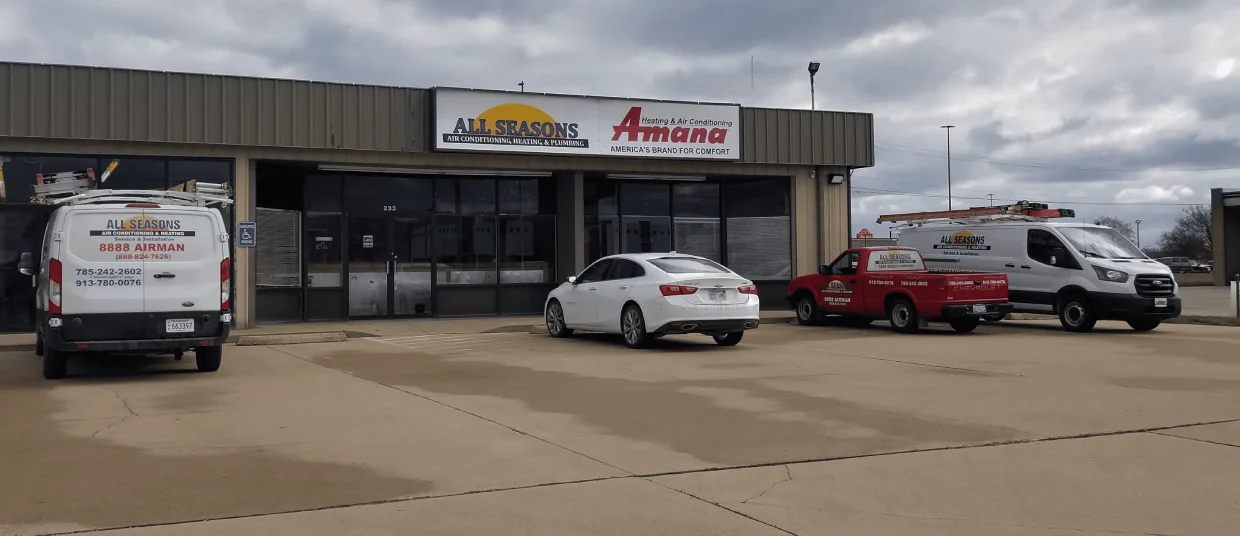
All Seasons Air Conditioning and Heating outlines a comprehensive mini-split inspection service for Williamsburg, KS homes. We cover visual assessments, safety checks, refrigerant evaluation, performance testing, and load verification to deliver an objective view of system health. By identifying issues such as improper sizing, leaks, poor airflow, and electrical faults, our inspection informs repairs, upgrades, or replacement decisions before problems escalate. A written report documents measurements, photos, and prioritized recommendations, helping homeowners protect comfort, efficiency, and property value. This service also covers pre-sale and pre-install evaluation benefits.
Mini-Split Inspection in Williamsburg, KS
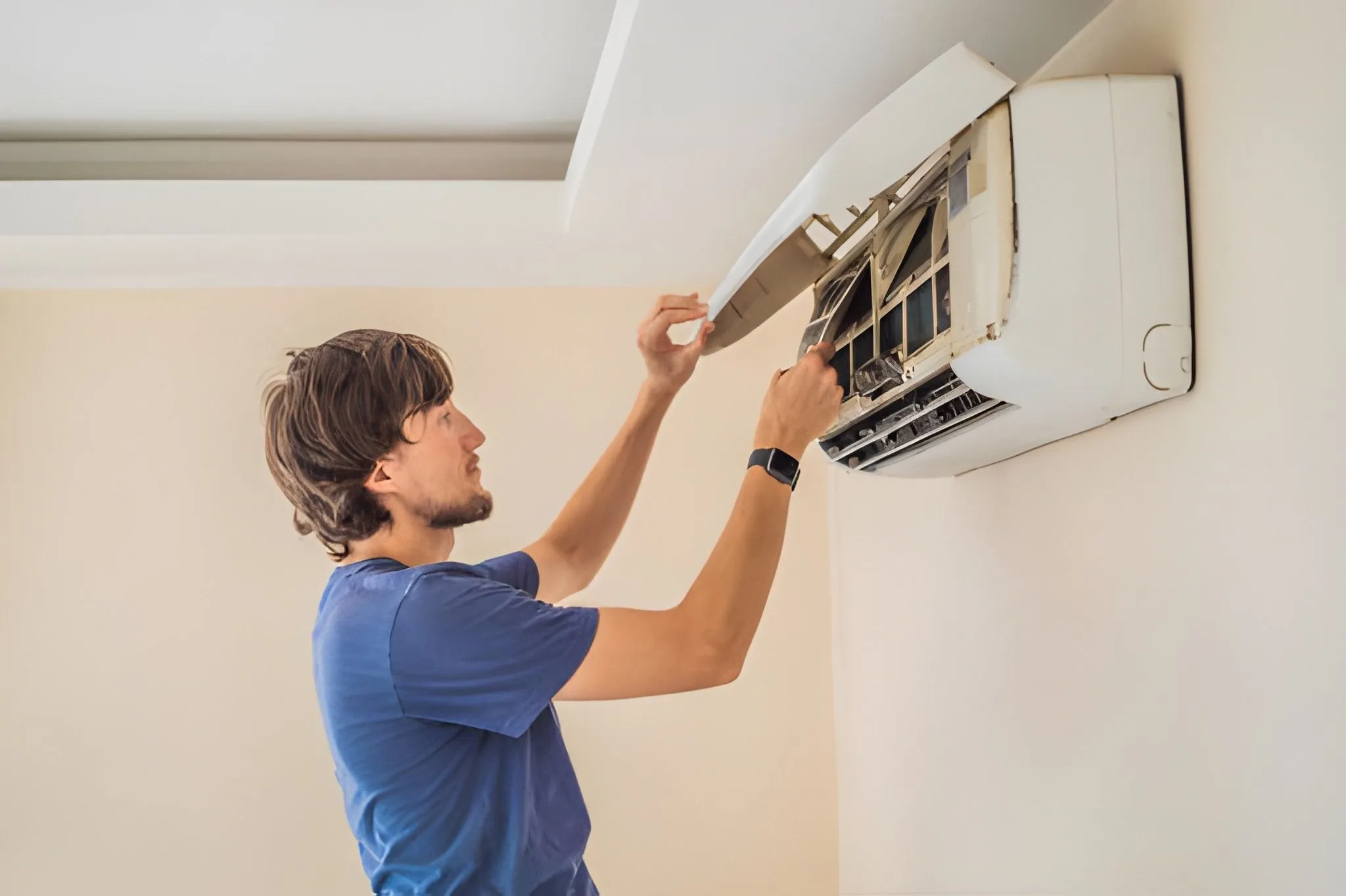
A thorough mini-split inspection protects comfort, indoor air quality, and equipment value in Williamsburg, KS homes. Whether you are buying or selling a property, preparing for a new installation, or troubleshooting uneven cooling and heating, a focused inspection identifies safety concerns, efficiency losses, and repair needs before they become costly failures. In eastern Kansas climates where hot, humid summers and cold snaps in winter place wide demands on ductless systems, an inspection tailored to local conditions is essential.
Why a mini-split inspection matters in Williamsburg, KS
- Climate stress: High summer humidity raises cooling load and encourages coil fouling. Winters can bring sudden cold stretches that test heat pump defrost cycles and low-temperature performance.
- Older homes and additions: Many Williamsburg houses have varied insulation and room uses. A mini-split that is improperly sized or mislocated will underperform.
- Rural installations and exposure: Outdoor units exposed to wind, pollen, and seasonal debris require checks for mounting, corrosion, and refrigerant line protection.
An inspection gives a clear statement of system condition, expected performance, and any safety risks so you can make informed decisions about repairs, replacements, or acceptance terms in a sale.
Common mini-split issues in Williamsburg, KS
- Insufficient capacity or improper sizing for your home layout, causing short cycling or uneven temperatures.
- Low refrigerant or leaks, leading to reduced cooling/heating and higher energy use.
- Clogged or dirty indoor coils and filters from seasonal pollen and dust, reducing airflow and indoor air quality.
- Faulty electrical connections or worn capacitors, which fail under temperature extremes.
- Improperly insulated or damaged line sets, especially on longer rural runs, causing efficiency loss and potential freezing.
- Drain or condensate problems that allow moisture buildup and mold in humid months.
- Outdoor unit mounting or clearance issues from vegetation, debris, or ice buildup that impair airflow.
What a Mini-Split Pre-Sale or Pre-Installation Evaluation includes
A professional inspection covers both visual assessments and performance testing to deliver an objective picture of system health.
- Visual inspection
- Indoor head(s) and outdoor condenser condition, mounting, and clearances
- Line set runs, insulation quality, and penetration seals
- Drain pans and condensate lines for leaks or blockages
- Wiring, breakers, disconnects, and visible control components
- Safety and electrical checks
- Voltage and amp draw on compressors and fans
- Condition of fuses, breakers, and disconnect switches
- Grounding and control wiring integrity
- Refrigerant assessment and leak detection
- Refrigerant pressures measured and compared to manufacturer specifications
- Subcooling and superheat readings to verify charge
- Electronic leak detection on fittings, brazed joints, and valves
- Performance and efficiency testing
- Supply and return air temperature differentials
- Airflow checks and measurement of static pressure when applicable
- Verification of cooling or heating capacity relative to expected performance
- Defrost cycle review for cold-weather heat pump operation
- Load verification guidance
- Basic confirmation that the installed system matches the home load profile
- Identification when a full Manual J load calculation is recommended prior to replacement or new installation
- Documentation
- A written inspection report with measured values, photos of problem areas, and prioritized recommendations for repairs, parts replacement, or upgrades
How diagnostic findings translate to solutions
Inspections are diagnostic first; solutions follow based on clear findings.
- Refrigerant leaks or low charge
- Identify and repair leak sources, recover and test refrigerant, then recharge to manufacturer specs. Continued monitoring is advised when leaks were found.
- Airflow and indoor coil issues
- Clean or replace filters and coils, inspect blowers, and repair ductless head placement. Improved filtration and regular cleaning reduce pollen-related problems in summer.
- Electrical and control repairs
- Tighten or replace worn electrical components, test capacitors and contactors, and verify thermostat or remote sensor accuracy.
- Drain and condensation remediation
- Clear or reroute condensate lines, add proper slope and trap protection, and treat or replace corroded drain pans.
- Insulation and line-set protection
- Replace damaged foam insulation on line sets, re-seal wall penetrations, and ensure outdoor piping is secured and shielded from frost or UV damage.
- Sizing and layout changes
- If the system is undersized or poorly zoned, recommendations include adding heads, relocating units, or planning for a correctly sized replacement based on a load calculation.
What you get in the written inspection report
A useful inspection report for Williamsburg properties includes:
- Measured performance data (temperatures, pressures, amp draws)
- Photos of critical issues like leaks, corrosion, or improper installations
- A prioritized list of recommended repairs and upgrades with explanations of risk and expected benefits
- Notes on maintenance schedules and components to monitor during seasonal changes
- Guidance on whether the system is suitable for continued use, needs immediate service, or should be considered for replacement
Maintenance advice and long-term benefits
Regular inspections and seasonal tuneups extend equipment life, improve comfort, and reduce energy costs. For Williamsburg homes, plan inspections before peak cooling season and again before winter to confirm heat pump functionality. Small preventative steps yield big benefits:
- Keep filters clean and schedule coil cleanings to reduce strain in humid months
- Maintain proper outdoor unit clearance to prevent airflow restriction from foliage and debris
- Inspect line insulation and wall penetrations periodically, especially after storms or renovations
- Track refrigerant charge and electrical readings to catch slow-developing faults early
A focused mini-split inspection delivers clarity on system reliability, immediate safety risks, and efficiency opportunities. In Williamsburg, KS homes facing seasonal humidity, pollen exposure, and occasional cold snaps, that clarity helps protect comfort and value while guiding sensible next steps for repair or replacement.
Customer Testimonials
Service Areas