Mini-Split Installation in Wellsville, KS
Mini-split installation in Wellsville, KS with All Seasons Air Conditioning and Heating offers a thorough overview of planning, installation steps, and ongoing care for ductless systems. We cover site assessment, equipment selection, indoor and outdoor placement, line sets, permits, testing, and homeowner orientation, with practical expectations for single- and multi-zone setups. We also outline common installation challenges, maintenance schedules, and long-term performance expectations, emphasizing energy efficiency, precise zoning, and professional service as keys to comfort, reliability, and cost savings for Wellsville homes.
Mini-Split Installation in Wellsville, KS
Adding a ductless mini-split system is one of the fastest ways to improve comfort and efficiency in Wellsville, KS homes. Wellsville’s hot, humid summers and occasionally cold winters make zone-based heating and cooling particularly valuable for older homes without ductwork, room additions, detached spaces, or areas with persistent temperature imbalances. This page explains the full mini-split installation process, what to expect during and after the install, common local issues, and the recommended maintenance schedule so you can decide with confidence.
Common mini-split uses in Wellsville, KS
- Cooling or heating single rooms, finished basements, sunrooms, or home additions without extending ductwork
- Replacing inefficient window units or portable heaters to lower energy use and noise
- Providing supplemental heat for bedrooms or upstairs areas that run cold in winter
- Improving humidity control during warm months to reduce mold and comfort complaints
- Creating independent zones for multi-family or multi-use spaces
Full installation process — step by step
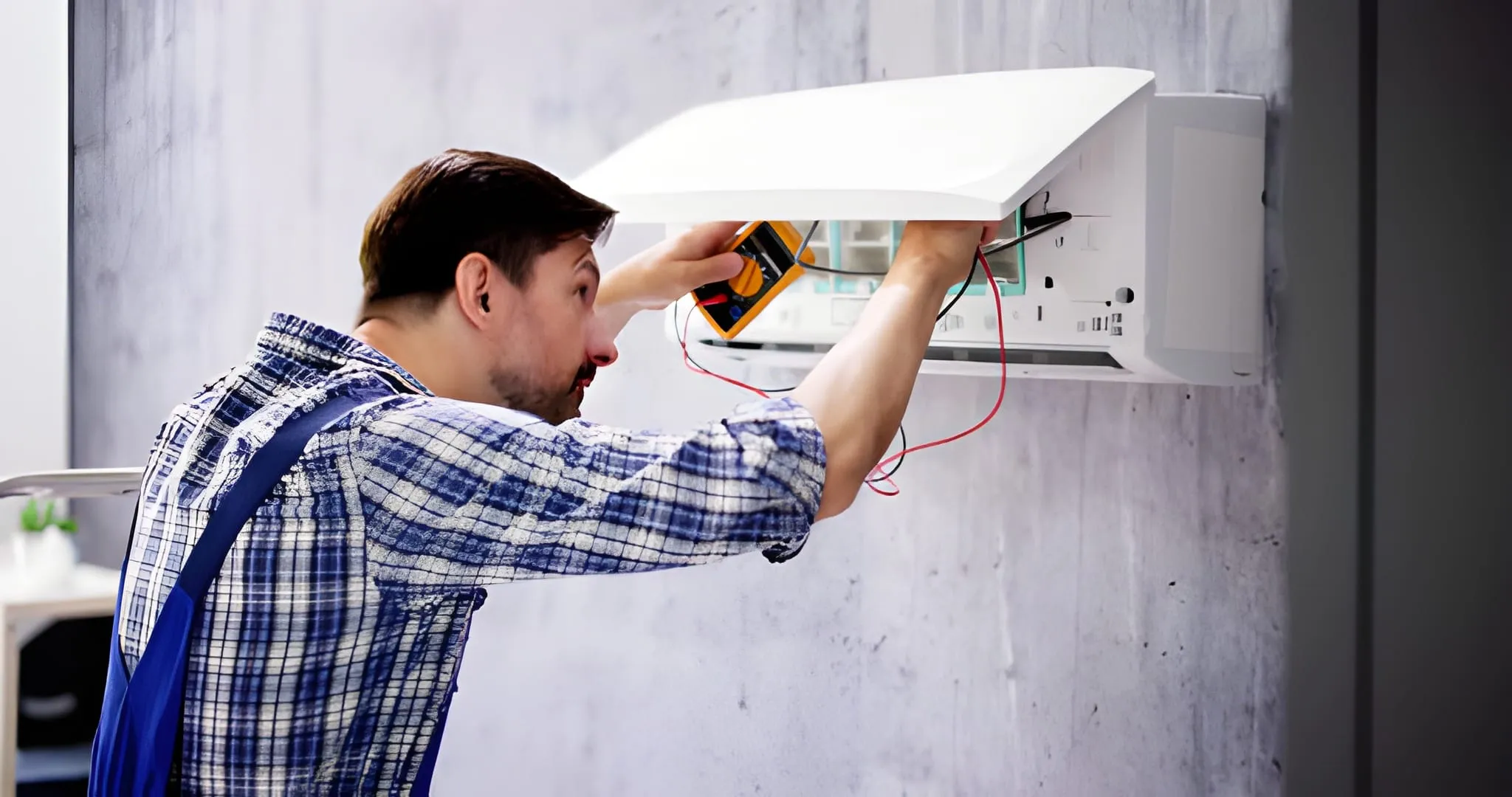
- A licensed technician performs a room-by-room load calculation (Manual J or equivalent) to size the system correctly. Proper sizing considers insulation, window area, solar orientation, occupancy, and Wellsville climate patterns. Correct sizing avoids short-cycling, insufficient cooling, or oversized heating that wastes energy.
- Based on load results, the installer recommends single-zone or multi-zone outdoor units and compatible indoor heads (wall-mounted, ceiling cassette, or floor console). For homes that need winter heating, pick cold-climate rated heat pump mini-splits capable of efficient operation at lower temperatures.
- Indoor units are located for optimal airflow and comfort while minimizing visual impact. Typical locations are high on a wall in the living area or bedroom, or recessed for cassettes. The outdoor condenser is sited on a level pad with 12-24 inches clearance for airflow and service access. Placement also considers noise, yard access, and proximity to electrical service.
- Installers run a small-diameter refrigerant lineset (copper) and a condensate drain through a 2-3 inch hole between the indoor and outdoor units. Linesets are insulated to prevent energy loss and condensation. Licensed electricians or HVAC technicians complete circuit installation and connect to the home’s electrical panel, including properly sized breakers and disconnects. All refrigerant handling is done by EPA-certified technicians.
- Most installations require local building or mechanical permits and must meet the local electrical and plumbing codes. The installer files for permits and coordinates inspections with the county or city as required. This ensures safe, code-compliant wiring, structural penetrations, and refrigerant handling.
- After installation, the system is vacuumed and charged correctly, and technicians verify refrigerant charge, airflow, temperature differential, electrical loads, and defrost function for heat pump models. Controls, timers, and zoning logic are set. This step ensures the system performs to the manufacturer’s specifications.
- The technician demonstrates basic operation, filter access, remote control functions, and maintenance tasks. You receive system documentation, recommended maintenance schedule, and any permit or inspection paperwork.
What to expect during installation day(s)
- Typical single-zone installs take 4-8 hours; multi-zone systems can take a full day or longer depending on the number of indoor units and complexity.
- Installers will protect floors and furniture in work areas, drill a small hole for the lineset (usually covered with a clean trim plate), and route wiring through discreet channels.
- Expect intermittent noise from tools and short power interruptions when connecting the outdoor unit to the panel. Work areas are cleaned before crews leave.
Post-installation testing and commissioning details
- Technicians measure supply and return temperatures to confirm proper delta T and check amperage draws to ensure systems run within rated electrical loads.
- Heat pump models receive a defrost cycle check and cold-weather performance review. If your mini-split includes smart controls or Wi-Fi, the installer can connect and demonstrate remote scheduling.
- Proper commissioning extends system life and preserves manufacturer warranty coverage.
Recommended maintenance schedule for Wellsville homes
- Clean or replace filters every 1-3 months depending on usage and indoor air quality.
- Professional Tune-Up twice per year: spring for cooling, fall for heating. Each visit should include coil cleaning, refrigerant level check, condensate drain inspection, fan motor lubrication as applicable, and performance verification.
- Keep the outdoor unit free of leaves, grass clippings, and snowpack. In winter, ensure snow does not block airflow; build a short, removable snow shelter if necessary.
- For homes with pets or occupants with allergies, consider higher-efficiency washable or pleated filters and more frequent professional inspections.
Common mini-split installation issues and how professionals prevent them
- Improper sizing causing inadequate comfort or high energy use — prevented by thorough load calculations.
- Undersized electrical supply or improper breaker selection — avoided by following electrical code and verifying panel capacity.
- Poor line insulation leading to condensation and energy loss — solved with high-quality, properly installed insulation on linesets.
- Long refrigerant line runs beyond manufacturer limits — addressed by planning equipment layout and selecting suitable multi-zone solutions when needed.
- Incorrect condensate routing causing leaks — prevented by installing proper slope, trap, and drain termination.
Benefits and long-term expectations
- Mini-splits provide precise zone control, improved comfort, and typically higher efficiency than window units or baseboard electric heat. For Wellsville homeowners, this often translates into lower energy bills and better humidity control during humid summers.
- With proper installation and routine maintenance, mini-splits commonly last 12-20 years depending on usage and model. Reliable performance hinges on correct sizing, professional installation, and regular service.
- Choosing a cold-climate rated mini-split ensures dependable heating through Kansas’s cool spells while maintaining efficient cooling in the summer.
Well-installed mini-split systems solve many common comfort problems in Wellsville, KS homes—particularly in older houses without ducts, additions, and rooms with inconsistent temperatures. A detailed site assessment, correct equipment selection, professional refrigerant and electrical work, and regular maintenance are the keys to long-term performance and satisfaction.
Customer Testimonials
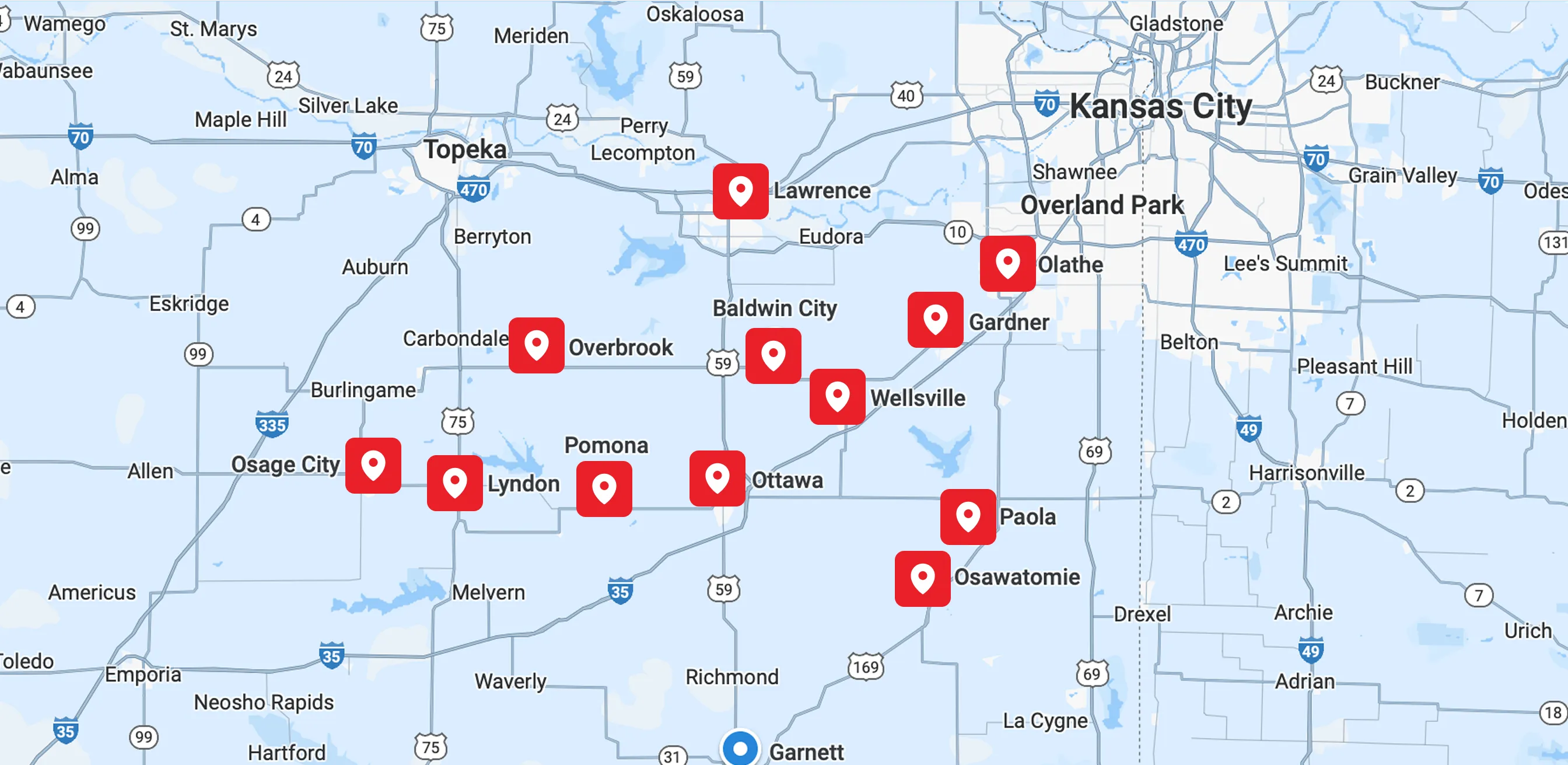
Service Areas