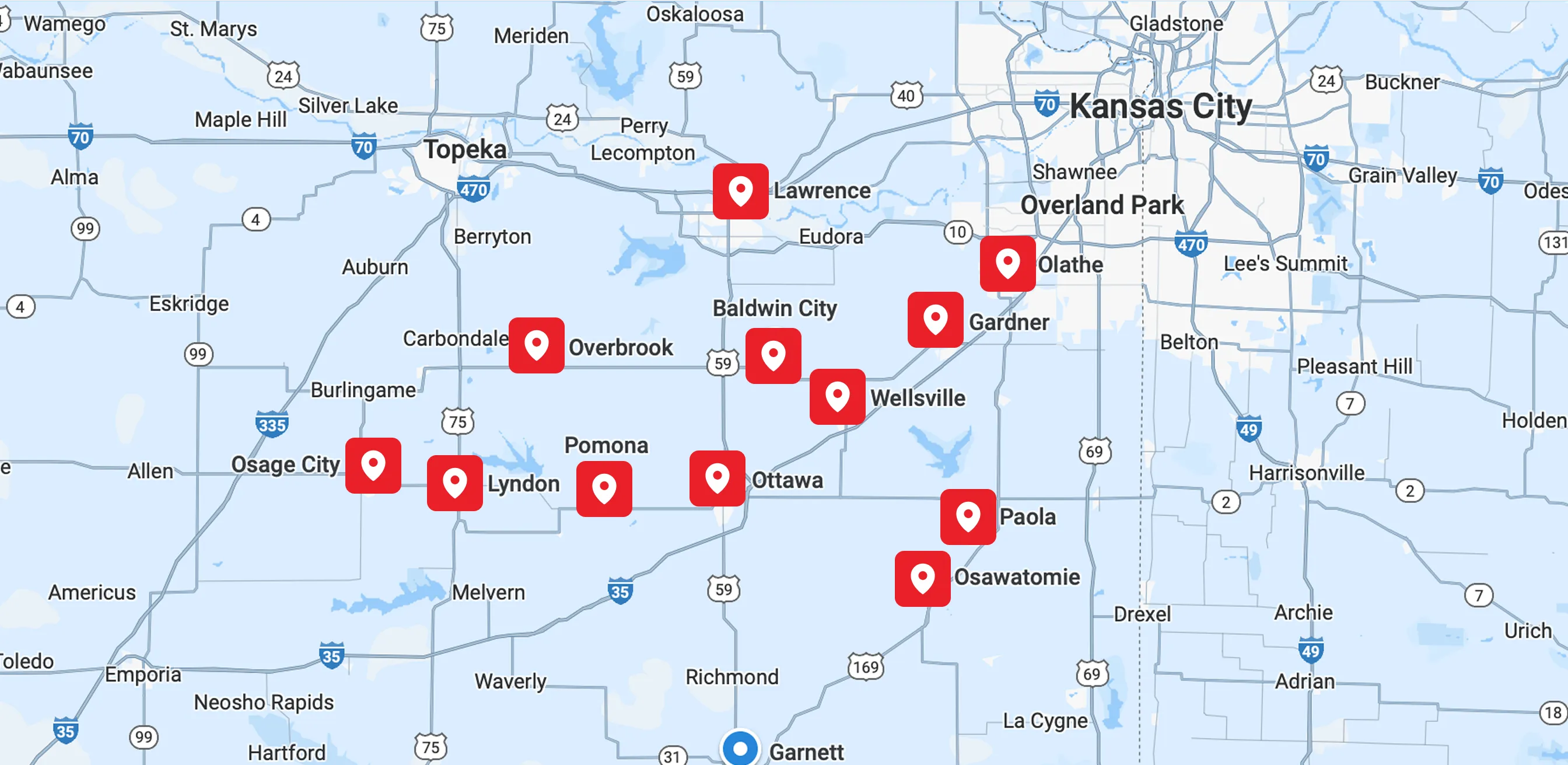
Mini-Split Maintenance in Wellsville, KS
For Wellsville, KS, All Seasons Air Conditioning and Heating explains why seasonal mini-split maintenance matters, highlighting how dust, pollen, humidity, and weather stresses affect performance. We outline common issues such as dirty filters, dirty coils, clogged drains, refrigerant leaks, loose electrical connections, thermostat problems, and outdoor unit obstructions, then detail a typical visit consisting of cleaning, inspection, and adjustments by our certified technicians. We also cover common repairs, maintenance plans, signs to schedule service, and the long-term benefits of regular upkeep for efficiency and comfort.
Mini-Split Maintenance in Wellsville, KS
Mini-split systems are a popular choice for Wellsville, KS homes because they deliver efficient, zoned heating and cooling without ductwork. Regular mini-split maintenance keeps those benefits intact: better efficiency, more consistent comfort, fewer breakdowns, and a longer equipment life. For homeowners in Wellsville—where hot, humid summers, spring pollen, and cold, occasionally icy winters are common—seasonal Tune-Ups address climate-specific stresses that shorten system life and raise energy bills.
Why seasonal mini-split maintenance matters in Wellsville, KS
Wellsville’s rural and semi-rural setting brings unique challenges: airborne dust from local roads and fields, high spring pollen, and summer humidity that encourages coil buildup and drainage issues. Outdoor units can also be exposed to storms and debris. Routine maintenance prevents minor problems caused by these conditions from becoming costly repairs, and it helps maintain the system’s rated efficiency so you pay less to stay comfortable.
Common mini-split issues in Wellsville homes
- Dirty or clogged filters reducing airflow and indoor air quality
- Fouled evaporator and condenser coils that lower heat transfer and efficiency
- Blocked or slow condensate drain lines leading to overflow or mold growth
- Low or leaking refrigerant causing reduced cooling/heating capacity and potential compressor damage
- Loose or corroded electrical connections that create intermittent operation or safety hazards
- Inaccurate thermostat settings, sensor problems, or control board faults affecting comfort and cycling
- Outdoor unit obstruction from vegetation, mulch, or storm debris decreasing airflow and performance
What a mini-split maintenance visit includes
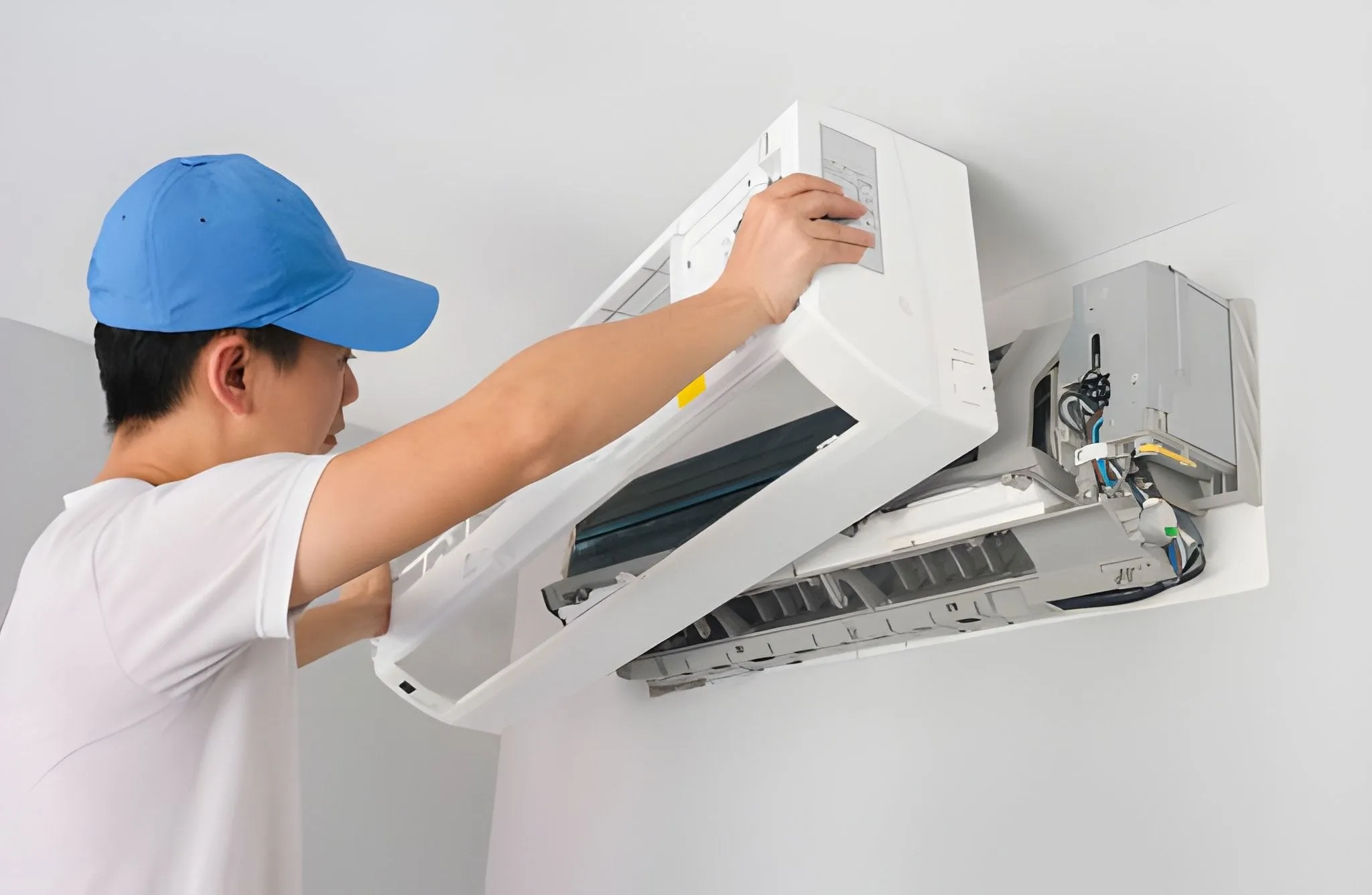
Routine maintenance for mini-split systems is a focused combination of cleaning, inspection, and adjustment. Typical service items performed by certified technicians include:
- Filter cleaning or replacement: Washable filters are cleaned and dried; disposable filters are inspected and replaced as needed.
- Indoor coil and blower cleaning: Remove dust and biofilm that reduce airflow and spread allergens.
- Outdoor coil and condenser cleaning: Clear fins and coils of dirt, pollen, and debris to restore proper heat exchange.
- Condensate drain inspection and clearing: Ensure drain pans and lines are free of blockages and treated to prevent mold.
- Refrigerant level check and leak inspection: Measure pressures and temperature split to confirm proper charge; inspect for signs of refrigerant leaks.
- Electrical inspection: Tighten and test wiring, fuses, capacitors, and contactors to prevent failures.
- Airflow and performance tuning: Measure airflow and temperature differentials across the indoor unit and adjust fan speeds or controls for optimal performance.
- Controls and thermostat verification: Confirm sensors and remote controls are calibrated and communicating correctly.
- Outdoor unit mounting and vibration check: Verify secure installation and clearances to prevent damage from vibration or storm exposure.
- Maintenance report: Document findings and recommended repairs so you know the system’s condition and priorities.
Most mini-splits benefit from at least two maintenance visits per year—once before the cooling season and once before the heating season—though homes with heavy pollen or dust exposure may need more frequent attention.
Diagnostic checks and performance tuning explained simply
Technicians use a few reliable, non-invasive checks to determine system health:
- Temperature split: Measure return and supply air temperatures to confirm the system is achieving expected cooling or heating differences.
- Current draw and voltage: Test electrical load on compressors and fans to detect failing motors or electrical issues before they fail.
- Pressure readings: Evaluate refrigerant pressures to detect undercharge, overcharge, or possible leaks.
- Visual inspection: Look for oil stains, corrosion, or damaged components that indicate leaks or wear.
- Drain test: Run or pour water into drain pans to confirm proper flow and detect any slow drainage points.
These diagnostics allow technicians to tune performance—adjusting fan speeds, reversing valves, or control settings—so the mini-split runs efficiently and reliably in Wellsville’s seasonal extremes.
Typical repairs and preventive solutions
When maintenance uncovers issues, common solutions include:
- Filter replacement or upgrade to better MERV-rated washable filters for improved indoor air quality.
- Coil cleaning or chemical treatment for heavily soiled evaporator or condenser coils.
- Condensate line flushing and installation of clean-out access to prevent future clogs.
- Refrigerant leak repair and recharge if pressures indicate an undercharge; follow-up leak testing to ensure integrity.
- Electrical component replacement (capacitors, contactors, relays) to restore reliable starts and reduce risk of mid-season failures.
- Control board or sensor replacement if thermostats show inaccurate readings or erratic cycling.
- Repositioning or protective screening for outdoor units vulnerable to storm debris or landscaping encroachment.
Addressing these items during scheduled maintenance is usually less expensive and less disruptive than emergency repairs during the hottest or coldest days.
Mini-split maintenance plans and membership benefits
A preventative maintenance plan tailored to mini-splits delivers structured care and predictable service. Common elements included in effective plans are:
- Scheduled biannual or quarterly Tune-Ups timed for pre-season service
- Priority scheduling for members during peak seasons and service disruptions
- Discounted labor or parts for covered repairs identified during inspections
- Filter replacements or credits for filter purchases included or discounted
- Detailed service records and recommendations to support warranty requirements and resale value
These memberships are especially valuable in Wellsville, where seasonal weather swings and environmental debris make timely service important for uninterrupted comfort.
Signs you should schedule maintenance now
If you notice any of these signs in your Wellsville home, your mini-split likely needs attention:
- Reduced cooling or heating capacity or longer run times
- Higher than normal utility bills without a change in usage
- Unusual noises from indoor or outdoor units (clanking, hissing, or squealing)
- Odors or visible mold around indoor units or drain areas
- Frequent cycling on and off or inconsistent room temperatures
Prompt maintenance reduces energy waste and lowers the chance of mid-season failures.
Benefits of regular mini-split maintenance for Wellsville homeowners
- Restored efficiency and lower energy costs through clean coils and correct refrigerant charge
- Improved indoor air quality by trapping pollen, dust, and allergens with maintained filters
- Fewer emergency repairs and longer equipment life by catching issues early
- Stable, consistent comfort across zones with properly tuned controls and airflow
- Documentation of system condition that supports warranty and resale value
Seasonal maintenance is an investment that pays off in reliability, savings, and peace of mind—especially in Wellsville where weather and environmental factors can accelerate wear on mini-split systems.
Seasonal tips for Wellsville: keep a 2–3 foot clearance around outdoor units, schedule spring Tune-Ups after heavy pollen months, and arrange fall maintenance before temperatures drop to reduce risk of winter compressor stress. Regular attention keeps your mini-split running quietly and efficiently year-round.
Customer Testimonials
Service Areas