Tankless Water Heater Tune-Up in Lawrence, KS
All Seasons Air Conditioning and Heating offers a tankless water heater tune-up service in Lawrence, KS, explaining how regular maintenance improves reliability, efficiency, and equipment life amidst cold winters and mineral-rich groundwater. We cover common local issues such as mineral scale, uneven temperatures, ignition problems, gas or electrical faults, venting, and sensor failures. Our thorough tune-up workflow includes diagnostics, descaling, burner and gas checks, electrical testing, and safety verifications. We also provide guidance on repairs, parts, and proactive maintenance to prevent future breakdowns.
.webp)
Tankless Water Heater Tune-Up in Lawrence, KS
Keeping a tankless water heater running at peak efficiency is essential for reliable hot water, lower energy bills, and longer equipment life. In Lawrence, KS, where cold winters increase demand and hard water accelerates mineral buildup, a professional tankless water heater Tune-Up addresses the specific stresses local homes put on these systems. This page explains what a comprehensive Tune-Up includes, the most common tankless water heater issues in Lawrence, KS, how technicians diagnose and fix problems, and the tangible benefits of regular maintenance.
Why a tankless water heater Tune-Up matters in Lawrence, KS
Lawrence experiences cold snaps that push tankless units to operate at higher output and Kansas groundwater often carries minerals that lead to scale. Both conditions can reduce efficiency, cause uneven heating, and shorten component life. A Tune-Up prevents service interruptions during peak usage months, improves energy efficiency, and uncovers small issues before they become major repairs. For homeowners who depend on on-demand hot water for showers, laundry, and dishwashing, timely Tune-Ups keep systems reliable and safe.
Common tankless water heater issues in Lawrence, KS
- Mineral scale and reduced flow: Hard water leads to limescale on heat exchanger surfaces, reducing heat transfer and flow rates.
- Inconsistent water temperature: Scale on flow sensors or wrong flow/temperature settings can cause bathing or washing interruptions.
- Ignition or burner problems: Dirty burners, clogged gas orifices, and weak ignition spark result in intermittent firing or pilot failure.
- Gas pressure or electrical faults: Low gas pressure, loose electrical connections, or voltage drops can trigger error codes or shutdowns.
- Venting and condensate issues: Improper venting, blockages from debris, or frozen condensate lines in cold weather can cause performance loss or safety shutdowns.
- Sensor and control failures: Faulty temperature sensors, flow sensors, or control boards produce error codes and poor regulation.
What a professional Tune-Up includes
A full tankless water heater Tune-Up is a methodical inspection and maintenance visit designed to optimize performance and safety. Typical tasks performed during a Tune-Up in Lawrence, KS include:
- System interview and preliminary diagnostics: Review recent performance, error codes, and homeowner observations.
- Visual inspection: Check unit exterior, venting, condensate lines, and surrounding area for leaks, corrosion, or obstructions.
- Descaling and flushing: Perform a chemical descaling and flush of the heat exchanger and internal passages to remove mineral deposits and restore flow.
- Burner cleaning and inspection: Remove deposits from burners and check flame pattern for correct combustion.
- Gas pressure check and adjustment: Measure gas inlet and manifold pressure to verify correct supply and adjust within manufacturer specs.
- Electrical and ignition checks: Inspect wiring, connectors, and ignition electrodes; test igniter function and replace worn electrodes if necessary.
- Sensor and control verification: Test flow sensors, temperature sensors, and control board diagnostics; recalibrate or recommend replacements when accuracy is compromised.
- Flow and temperature adjustment: Verify and adjust maximum flow, setpoint temperature, and any recirculation parameters for stable performance and safety.
- Vent and exhaust inspection: Ensure proper venting function, secure connections, and clear any blockages; check for signs of condensation or freeze risk in winter.
- Safety checks: Confirm proper operation of overheat protection, pressure relief systems, and assess carbon monoxide risks where applicable.
- Service checklist and report: Provide a detailed checklist of items inspected and a written report outlining findings, recommended repairs, parts needing replacement, and efficiency observations.
Diagnostic approach and common findings
Technicians start with error code retrieval and an operational run to observe startup, steady-state operation, and shutdown. Flow rates are measured and compared against manufacturer specifications to determine if scale or flow sensor faults exist. Combustion analysis can reveal poor burner performance due to deposits or improper gas pressure. Electrical testing targets loose or corroded connections, bad capacitors, or failing ignition modules that are more likely to present in older installations or in homes with intermittent power issues.
In Lawrence homes where hard water is a common factor, descaling frequently returns the biggest performance gains. In colder months, technicians often find frozen or partially blocked condensate traps and improper insulation of venting or pipes that need attention to prevent recurring shutdowns.
Repairs and part replacement guidance
A Tune-Up will identify which parts need repairs or replacement. Common recommendations include:
- Replacing worn ignition electrodes or flame sensors to restore reliable starts.
- Cleaning or replacing burners and orifices when fouled.
- Installing new flow sensors or temperature probes if readings drift outside tolerance.
- Repairing or replacing control boards if persistent error codes trace to electronics.
- Repairing gas lines, regulators, or valves when pressure is out of spec.
- Replacing corroded vent sections or condensate traps to restore safe exhaust function.
Technicians prioritize safety-related repairs first and provide an explanation of expected life spans for parts along with options for preventive upgrades that reduce future service frequency.
Benefits of regular Tune-Ups
- Restored efficiency and lower energy use: Removing scale improves heat transfer, which reduces fuel or electrical consumption.
- Increased reliability: Regular inspection catches small issues before they cause cold showers or no-hot-water emergencies.
- Longer equipment life: Preventive maintenance reduces wear on burners, pumps, sensors, and heat exchangers.
- Safer operation: Proper venting, combustion, and gas pressure checks reduce risk of unsafe conditions.
- Clear documentation: A service checklist and report helps homeowners track maintenance history and supports warranty considerations.
Maintenance tips for Lawrence homeowners
- Schedule Tune-Ups before the cold season: Late summer or early fall visits prevent winter surprises when demand increases.
- Consider a water treatment solution: Where hard water is severe, a water softener or dedicated anti-scale device reduces descaling frequency.
- Keep outdoor vents clear: Remove leaves, snow, and debris from vents and ensure condensate lines are insulated against freezing.
- Monitor for early warning signs: Fluctuating temperatures, unusual noises, error codes, or reduced flow indicate a need for service.
- Keep documentation: Maintain the Tune-Up report and checklists to track recurring issues and warranty requirements.
Regular, professional tankless water heater Tune-Ups in Lawrence, KS address the specific challenges local homes face, from mineral buildup to winter-related venting problems. A comprehensive service visit restores peak performance, improves safety, and extends the life of your tankless system while providing a clear roadmap for any necessary repairs or upgrades.
Customer Testimonials
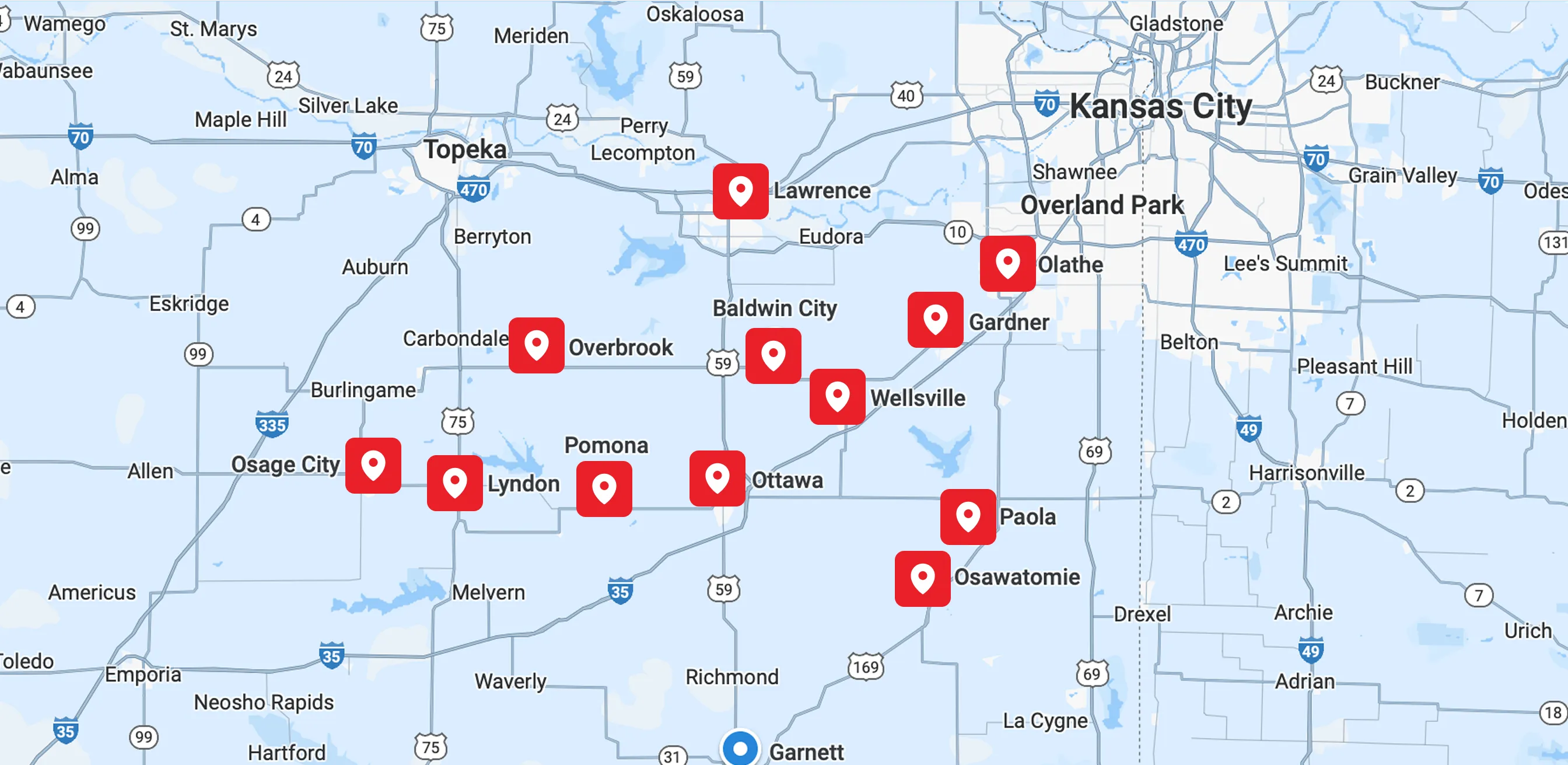
Service Areas