Water Heater Replacement in Vassar, KS
Water Heater Replacement in Vassar, KS is made easy with All Seasons Air Conditioning and Heating. We explain how our technicians assess current systems, compare tank and tankless options, and weigh fuel types, energy efficiency, and local codes. We cover sizing, warranties, installation timelines, financing, and rebates, helping homeowners choose the best solution for Kansas winters. We also outline removal and disposal practices, safety checks, and post-installation testing, then offer practical maintenance tips to extend life and protect warranties while optimizing long-term energy savings for Vassar households.
.webp)
Water Heater Replacement in Vassar, KS
Replacing a water heater is a major home investment. In Vassar, KS, where cold winters and seasonal water quality changes can shorten a water heater's lifespan, choosing the right replacement prevents recurring repairs, lowers energy bills, and ensures consistent hot water for your household. This page explains how technicians evaluate your current system, compares tank and tankless options and fuel types, covers efficiency and disposal, and provides guidance on sizing, warranties, installation timelines, financing, and local considerations.
Why replace a water heater in Vassar, KS
Common water heater issues in Vassar, KS include reduced hot water capacity during winter, rumbling or banging from sediment buildup, visible corrosion, slow recovery times, and leaks. These problems accelerate once a unit is past its service life. Replacing an aging or failing water heater restores reliability and improves safety by reducing leak risk and preventing failures that can cause water damage in Kansas homes.
How technicians evaluate your existing equipment and needs
A professional evaluation focuses on performance, safety, and future demand:
- Visual inspection for corrosion, leaks, and venting or combustion issues.
- Review of age, manufacturer, and maintenance history.
- Measurement of current capacity and recovery rate versus household usage.
- Water quality and hardness check to estimate sediment and corrosion risk.
- Assessment of fuel availability and infrastructure: natural gas line, propane tank, electrical panel capacity, or requirement for new venting or gas piping.
- Space, clearance, and seismic or freeze-protection needs common to Vassar homes.
This diagnostic determines whether repair or full replacement is the better solution and what size and type of new unit will meet your household needs.
Tank vs tankless: which is right for Vassar homes?
- Tank water heaters
- Pros: Lower upfront cost, simple replacement in existing locations, reliable stored supply for peak use.
- Cons: Standby heat loss, limited hot water volume, shorter lifespan (typically 8-12 years).
- Best for: Homes with intermittent heavy hot water use or where initial budget is a primary concern.
- Tankless (on-demand) water heaters
- Pros: Continuous hot water, higher energy efficiency for moderate use, longer lifespan (often 15-25 years), smaller footprint.
- Cons: Higher upfront cost, potential need for upgraded gas line or electrical service, limited simultaneous flow without multiple units.
- Best for: Households in Vassar seeking lower operating costs, space savings, and long-term reliability.
Hybrid heat pump water heaters are another option where electricity is the primary fuel and space and ambient conditions allow for efficient heat pump operation.
Fuel types: natural gas, propane, electric, and hybrids
- Natural gas and propane typically offer faster recovery and lower operating costs in colder climates. In rural Vassar, propane availability may influence choice.
- Electric units are easier to install but usually have higher running costs in colder months.
- Heat pump hybrids can be the most efficient electric choice in moderate-climate spaces but perform best where ambient air is warm and there is sufficient space for airflow.
Technicians will weigh local fuel costs, existing hookups, and your home’s layout when recommending a fuel type.
Energy efficiency and long-term savings
When replacing a unit, consider Uniform Energy Factor (UEF) ratings and energy-efficient models. Tankless and hybrid units often have higher UEFs, reducing monthly utility bills. Proper sizing and installing a unit with an appropriate UEF for your usage pattern can significantly cut energy consumption in Vassar’s winter months when water heating demand rises.
Removal, disposal, and code compliance
Replacement includes safe removal and disposal of the old unit in accordance with local regulations. Disposal typically involves draining, disconnecting fuel and electrical lines, and either recycling or proper landfill disposal depending on the unit type. New installations must meet local building and plumbing codes, including venting, combustion air, and pressure relief valve requirements. Technicians will account for any required permits or inspections common in the region.
Installation timelines and what to expect
- Basic tank-to-tank swap: 4 to 8 hours, provided no major changes to plumbing or venting are needed.
- Tankless or fuel-switch installations: 1 to 2 days when additional gas piping, venting, or electrical upgrades are required.
- Permit and inspection timelines: Can add several days depending on local authority schedules.Technicians will test for leaks, verify venting and combustion safety, and adjust controls before leaving the installation ready for use.
Financing and rebates
Replacement can be made more affordable with financing options and available rebates. Energy-efficiency incentives from utilities or government programs may apply for certain high-efficiency models such as heat pump water heaters or high UEF tankless units. In Vassar, KS homeowners should check local utility offerings and state rebate programs when evaluating total ownership cost.
Warranty and protection options
- Manufacturer warranties vary: typical ranges are 6 to 12 years for high-quality tank units and 10 to 25 years for some tankless heat exchangers.
- Installer or extended warranties can cover parts, labor, and maintenance for additional years.Comparing warranty terms, what is covered, and any required maintenance for warranty validity is important when selecting a model.
Choosing the right size and model for your home
Sizing depends on family size and peak hour demand:
- Tank units: select gallons of storage based on household size and peak hour usage. Typical families of 2 to 4 need 40 to 50 gallon tanks; larger families may need 75 gallons or point-of-use solutions.
- Tankless units: choose by flow rate in gallons per minute (GPM). Add up simultaneous demands (shower + dishwasher + sink) and match to unit GPM with an allowance for temperature rise in Kansas winter water temperatures.Consider available space, venting needs, fuel access, and future plans such as home expansion when choosing a model.
Maintenance and longevity tips
Simple routine care extends life and efficiency:
- Annual or biannual flushing to remove sediment if you have hard water common in many Kansas areas.
- Inspect and replace the sacrificial anode rod every few years to slow corrosion.
- Check pressure relief valves and expansion tanks regularly.
- For gas units, ensure vents and combustion air paths are clear, and burners are clean.Regular professional maintenance protects warranties and preserves performance.
Final considerations for Vassar, KS homeowners
Water Heater Replacement in Vassar, KS is not just about swapping equipment. It is an opportunity to improve energy efficiency, adapt to local climate demands, and select a solution that matches your household patterns and fuel availability. A well-chosen replacement reduces utility costs, minimizes repair needs, and provides dependable hot water through Kansas winters and humid summers.
Customer Testimonials
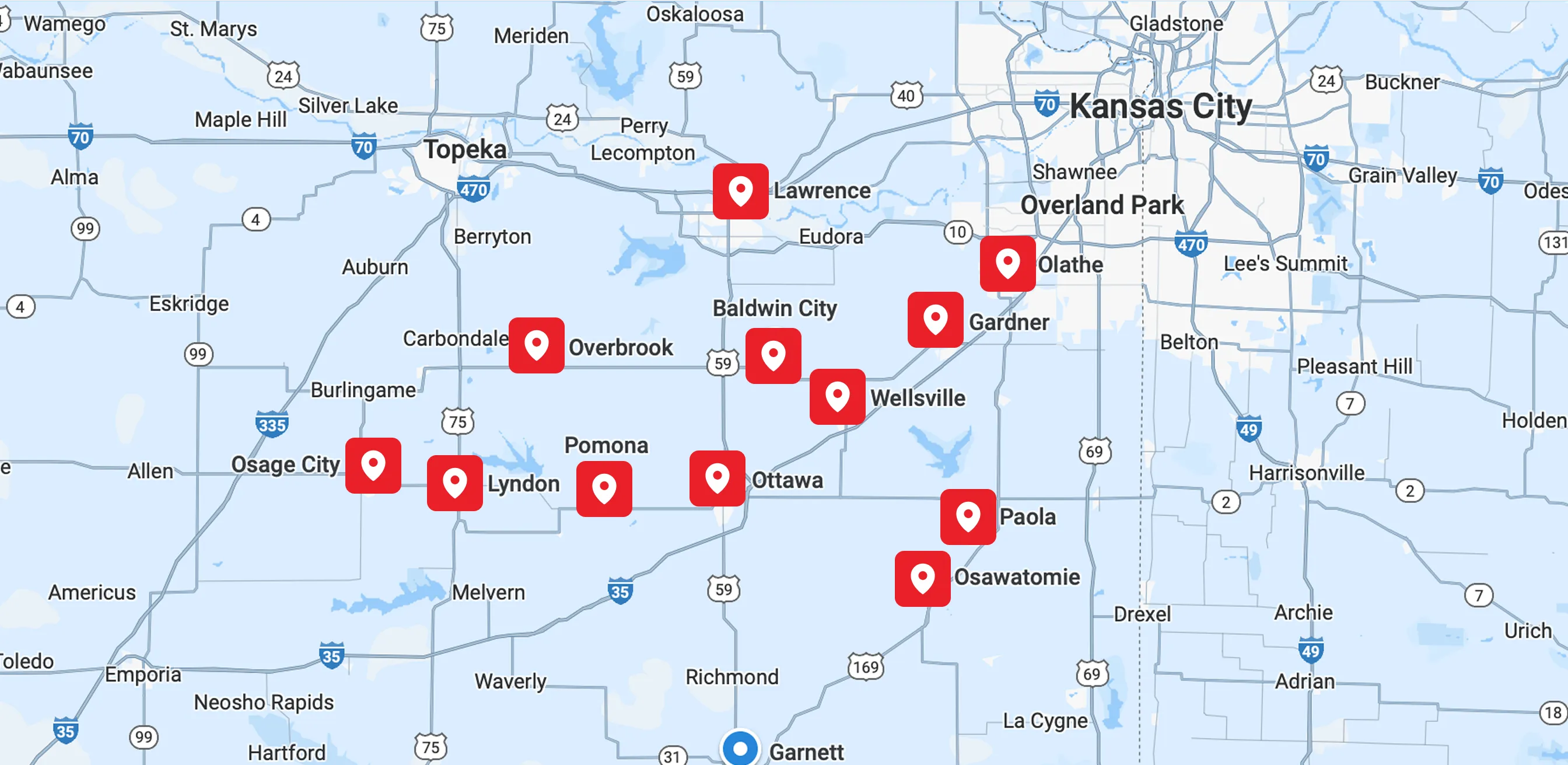
Service Areas