Water Heater Service in Lawrence, KS
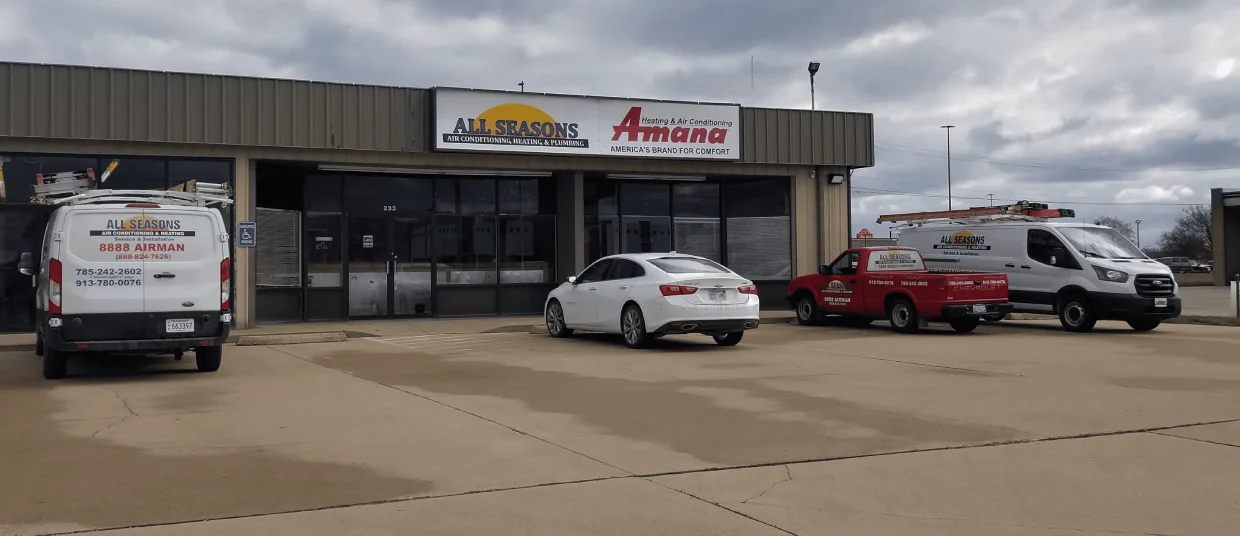
Water heater service in Lawrence, KS from All Seasons Air Conditioning and Heating provides comprehensive diagnostics, maintenance, and repair for residential water heating systems. We cover common local issues such as sediment buildup, corrosion, ignition failures, and thermostat problems, plus thorough diagnostic steps, from visual inspections to venting and electrical checks. We outline routine maintenance to extend life, repair and replacement options, emergency response procedures, and guidance on choosing OEM parts and warranty considerations. We also explain service agreements and scheduling tailored to Lawrence homes.
.webp)
Water Heater Service in Lawrence, KS
A reliable water heater is essential for comfort in Lawrence, KS homes, from student rentals near the University of Kansas to older houses in historic neighborhoods. Seasonal temperature swings, hard water and aging plumbing systems make regular water heater service a practical priority. This page explains diagnostic evaluations, routine maintenance, repairs, replacements, emergency response procedures, the brands and parts commonly used, and what to expect from service agreements and scheduling — all tailored to the needs of Lawrence homeowners.
Common water heater issues in Lawrence, KS
Homes in Lawrence face some predictable problems because of local water quality and climate. Knowing these issues helps you prioritize inspections and repairs.
- Sediment buildup and reduced capacity: Hard water in northeastern Kansas accelerates mineral accumulation on tank bottoms and elements, causing reduced hot water volume and higher energy use.
- Corrosion and tank leaks: Older tanks and failing anode rods will corrode, eventually causing leaks that can damage floors and walls.
- Pilot light or ignition failures: Natural gas heaters may experience pilot outages or faulty gas controls, especially in older systems or after power outages in winter storms.
- Thermostat and heating element failure: Electric models commonly lose heating elements or have thermostats that drift, producing inconsistent temperatures.
- Pressure relief valve issues: A stuck or leaking temperature and pressure relief (T&P) valve indicates overpressurization or thermal expansion problems.
- No hot water or low temperature: Could be due to burner issues, failed elements, tripped high limit switches, or thermostat miscalibration.
- Slow recovery during peak demand: Small tanks or undersized systems struggle during cold months and in households with multiple morning showers.
Diagnostic evaluation: what a thorough inspection includes
A professional diagnostic is the foundation of effective repairs and maintenance. Typical diagnostic steps include:
These steps identify root causes rather than just symptoms, helping to prioritize repairs or recommend replacement when appropriate.
Routine maintenance for longer life and better efficiency
Regular maintenance is the most cost effective way to avoid emergency failures and extend service life.
- Annual tank flush to remove sediment and restore capacity.
- Inspect and replace the sacrificial anode rod every 3 to 5 years or as needed.
- Test and, if needed, replace the T&P valve to ensure safe operation.
- Clean or adjust burners and pilot assemblies on gas units to improve combustion efficiency.
- Check and tighten electrical connections, and test heating elements and thermostats in electric units.
- Inspect venting, flue piping and combustion air intake for blockages or deterioration.
- Verify expansion tank pressure or install one to control thermal expansion in closed systems.
In Lawrence, scheduling maintenance before winter reduces the risk of cold-weather failures and helps avoid higher demand months.
Repairs and replacement options
When diagnostics reveal failures, technicians will recommend repair or replacement based on safety, cost, and expected remaining life.
Common repairs:
- Replace heating elements, thermostats or gas control valves.
- Repair or replace T&P valves, drain valves and loose fittings.
- Replace dip tubes and anode rods to restore function.
- Patch minor leaks or replace leaking valves and connectors.
Replacement options:
- Conventional tank water heaters in standard sizes (30 to 80 gallons) remain the most common choice for Lawrence homes.
- High-efficiency condensing tanks and electric heat pump water heaters are available for energy-conscious households; note that heat pump models perform best in moderate ambient temperatures.
- Tankless (on-demand) units offer endless hot water and space savings; gas-fired tankless models are popular where natural gas is available.
- Sizing should match household demand: family size, peak usage times and local winter temperature effects on incoming water temperature are all factors.
Technicians will advise on energy efficiency ratings, venting needs, and long-term maintenance differences between options.
Emergency response procedures
If your water heater is leaking, making loud banging noises, producing discolored water, or you detect gas odors, quick, safe action limits damage.
Immediate homeowner steps:
- For leaks, locate and close the cold water supply valve to the tank.
- For gas odors, shut off the gas supply at the valve if safe to do and evacuate the building; do not operate electrical switches or open flames.
- For electrical issues or sparking, switch off the breaker for the water heater.
- If flooding is present, protect valuables and shut off the home’s main water if necessary to limit damage.
- Avoid attempting complex internal repairs; wait for a qualified technician to diagnose safely.
Emergency response by a professional will include draining and securing the system, safe gas or electrical isolation, temporary containment of leaks, and an assessment to determine repair or replacement.
Brands, parts and warranty considerations
Lawrence homes commonly use reliable OEM brands and recognized parts for longevity and warranty support.
- Well-known brands: Rheem, Bradford White, A O Smith, Rinnai, Noritz, Bosch and Stiebel Eltron.
- Common replacement parts: anode rods (magnesium or aluminum), heating elements, thermostats, T&P valves, dip tubes, gas control valves and burner assemblies.
- Using OEM or high-quality aftermarket parts preserves performance and often maintains warranty eligibility.
- Keep installation and maintenance records to support any manufacturer warranty claims, especially for newer systems.
Service agreements and scheduling expectations
Service agreements provide predictable care and priority handling without surprise visits. Typical agreement features include:
- Annual inspection and maintenance visits with documented checklists.
- Priority scheduling during peak seasons and for emergency response.
- Record keeping of repairs, parts replaced and warranty-relevant details.
- Clear descriptions of covered inspections versus itemized repairs.
- Reminder schedules timed for seasonal service such as pre-winter combustion checks or summer flushes.
Scheduling usually accommodates flexible appointment windows and pre-service guidance such as clearing access to the water heater and confirming utility availability. For rental properties or multi-unit homes near campus, recurring agreements help protect tenants and reduce turnover issues.
Benefits of regular water heater service in Lawrence, KS
Consistent service reduces energy bills, prevents damaging leaks, preserves manufacturer warranties and extends equipment life. In Lawrence, regular maintenance also reduces winter failures, addresses hard water impacts, and adapts service plans to the variety of housing stock from historic homes to modern rentals. Well-documented maintenance and timely repairs translate to dependable hot water when you need it and fewer unexpected disruptions.
Customer Testimonials
Service Areas