AC Installation in Olathe, KS
AC Installation in Olathe, KS from All Seasons Air Conditioning and Heating presents a detailed overview of our professional, code-compliant process to deliver efficient, reliable comfort and improved home climate. Our guide outlines required diagnostics such as load calculations (Manual J), equipment recommendations by SEER range, ductwork evaluation, and necessary permits to meet City of Olathe and Johnson County codes. We also cover the step-by-step installation sequence, startup checks, customer orientation, warranties, and post-install maintenance - all designed to maximize system life, performance, and homeowner confidence in local climate conditions.
.jpeg)
AC Installation in Olathe, KS
Installing a new air conditioning system is one of the most impactful home upgrades for comfort, indoor air quality, and energy bills. In Olathe, KS, where summer heat and humidity can push systems hard from June through August, a correctly sized and professionally installed AC makes the difference between steady, efficient cooling and frequent breakdowns. This page explains the AC installation process in Olathe, KS, what to expect during each phase, common issues homeowners face, and why following best practices and local code requirements matters.
Common AC installation reasons and issues in Olathe, KS
- Replacing an aging or failing system that can no longer meet cooling demand.
- Upgrading to higher efficiency models (higher SEER) to lower energy costs.
- Adding or modifying central air for remodeled spaces or additions.
- Poor cooling or uneven temperatures caused by incorrect system sizing.
- Inadequate ductwork resulting in leaks, low airflow, and high humidity inside the home.
- Failure to secure proper permits and meet Johnson County or City of Olathe code requirements, which can delay inspections or resale.
Understanding these common drivers helps homeowners choose the right equipment and installation approach for Olathe homes facing hot, humid summers and occasional extreme weather.
What a professional AC installation includes
A full AC installation should be a structured, documented process that begins with diagnostics and ends with verified performance. Key components include:
- Home assessment and load calculations
- A professional will perform a Manual J load calculation to determine the correct cooling capacity for your home. This evaluates square footage, insulation, window orientation, occupancy, and local climate factors like Olathe’s humidity and summer heat.
- The result prevents undersizing (poor comfort) or oversizing (short cycling and humidity issues).
- Equipment recommendations: efficiency and brands
- Recommendations should list appropriate system sizes and SEER ratings. For Olathe, modern systems typically range from 14 SEER to 20+ SEER; higher SEER offers greater savings during long cooling seasons.
- Brand options commonly include Amana, Carrier, Lennox, Trane, and Goodman. A recommendation will balance reliability, warranty coverage, and the expected lifespan in Kansas climate conditions.
- Ductwork evaluation or modifications
- Technicians inspect ducts for leaks, insulation levels, and proper sizing (Manual D considerations). Duct sealing, adding returns, or resizing supply registers may be necessary to achieve balanced airflow and humidity control.
- Permitting and code compliance
- Installations must meet local electrical and mechanical codes. Permits and inspections through the City of Olathe or Johnson County ensure safe electrical connections, refrigerant handling, and proper ventilation. Professional installers should handle permit submission and coordinate inspections.
Step-by-step installation procedure
A clear, stepwise process reduces surprises and ensures quality:
- Pre-install prep
- Confirm load calculations, order equipment, review access and any site constraints such as condenser location, and schedule any permit inspections.
- Removal of old system
- Recover refrigerant safely, disconnect electrical and duct connections, and remove the old condenser and evaporator as required.
- Equipment placement and mounting
- Place outdoor condenser on a level pad or bracket, and install indoor coil or air handler in a location optimized for airflow and serviceability.
- Ductwork modifications
- Seal leaks, insulate exposed ductwork, install or adjust returns/supply registers, and ensure adequate static pressure for the new system.
- Refrigerant and system connections
- Connect refrigerant lines and perform proper evacuation and charge per manufacturer specifications and local code.
- Electrical and control wiring
- Install the correct disconnects, safety devices, and thermostat wiring with any zoning or smart thermostat setup specified.
- Start-up and performance testing
- Verify refrigerant charge, airflow, temperature split, amperage draw, and thermostat calibration. Confirm the system meets the expected efficiency and comfort metrics.
Start-up, testing, and customer orientation
After mechanical checks, technicians should perform a full start-up and walk you through system operation:
- Demonstrate thermostat features and scheduling, including dehumidification and fan options.
- Show measured performance numbers such as supply and return temperatures and the temperature drop across the coil.
- Explain recommended filter types and replacement intervals for maintaining airflow and equipment life.
- Provide documentation: equipment model numbers, serial numbers, maintenance schedule, and warranty paperwork.
This orientation ensures you can operate the system efficiently and recognize normal operation versus issues needing service.
Warranties and post-installation support
- Manufacturer warranties vary by brand and model and typically cover parts for a set number of years. Some brands require registration to maintain full warranty benefits.
- Professional labor warranties should be documented separately and explain what is covered and for how long.
- Post-install support often includes seasonal Tune-Ups, priority service, and maintenance plans that preserve efficiency and extend system life—especially important in Olathe’s extended cooling season.
Why proper installation matters in Olathe, KS
A correctly installed AC tailored to Olathe homes delivers:
- Better humidity control: Proper sizing and airflow reduce indoor humidity, improving comfort and preventing mold growth.
- Lower energy bills: Correct SEER selection and precise installation minimize electrical consumption during long summer months.
- Longer equipment life: Reduced cycling and correct refrigerant charge lower wear and extend component life.
- Reliable performance during heat waves: Proper permitting, electrical work, and outdoor unit placement protect against storm and heat-related failures.
A new AC system is an investment in comfort and home value. Ensuring the installation follows industry standards, local code, and climate-aware recommendations protects that investment and provides reliable cooling when Olathe temperatures peak.
Maintenance and care after installation
- Schedule semiannual Tune-Ups: one spring check for cooling season and one fall check for heating crossover systems.
- Change or clean filters monthly to maintain airflow and efficiency.
- Keep the outdoor condenser free of debris and ensure adequate clearance for airflow.
- Monitor system performance and document any unusual noises or temperature inconsistencies early to avoid larger repairs.
A professional, thoroughly documented AC installation in Olathe, KS gives homeowners confidence that their system will handle local climate demands, operate efficiently, and provide years of dependable comfort.
Customer Testimonials
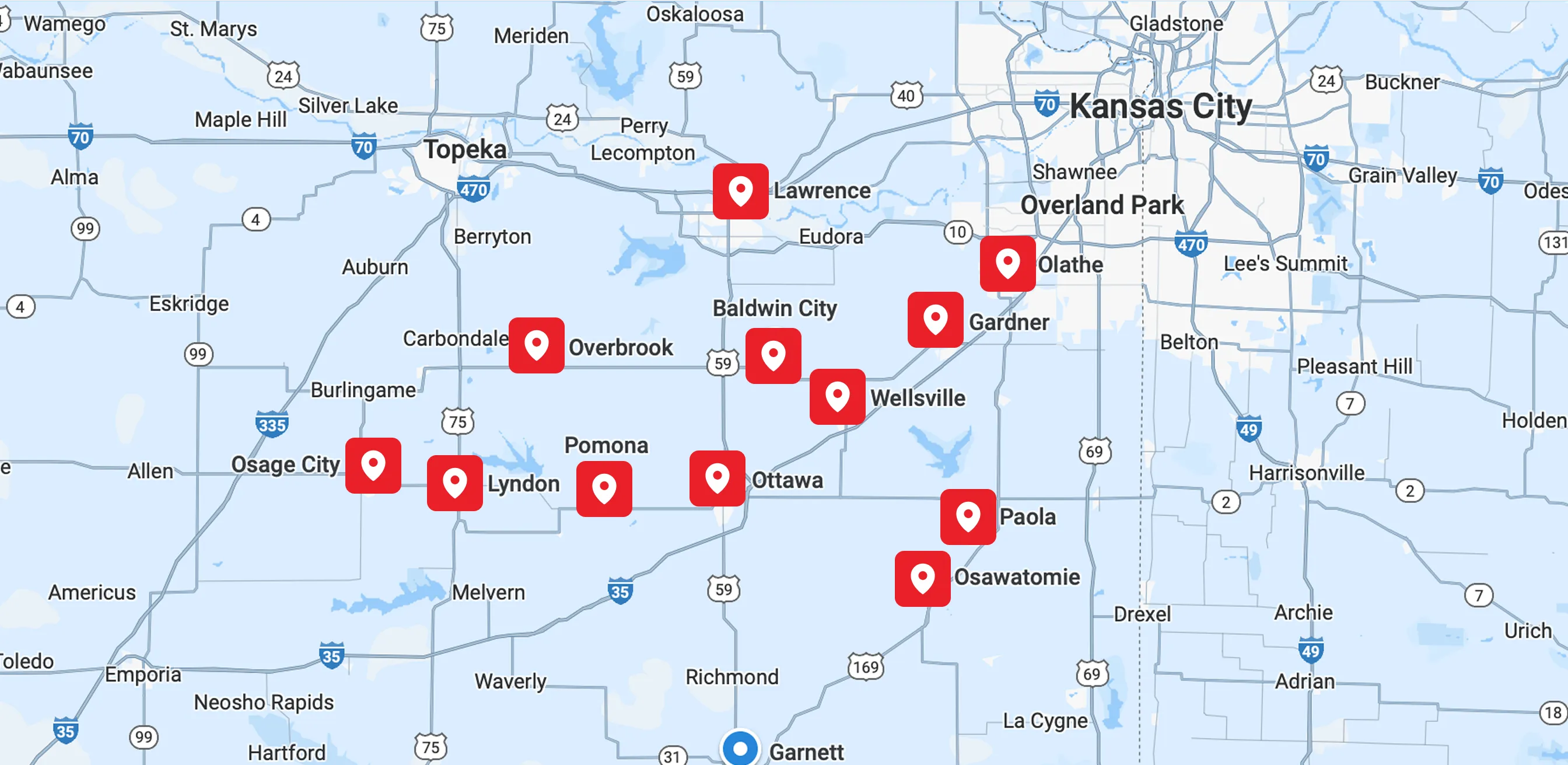
Service Areas