AC Installation in Richmond, KS
AC installation in Richmond, KS from All Seasons Air Conditioning and Heating delivers a carefully planned, professionally executed process that improves comfort, energy efficiency, and equipment longevity. Our service begins with a precise on-site assessment and a Manual J load calculation to size the system correctly, followed by careful equipment selection, ductwork evaluation, and recommended improvements. Permitting and code compliance are handled, then a methodical installation, commissioning, and post-installation testing confirm performance. Ongoing maintenance and warranty guidance help protect your investment and keep your home comfortable year after year.
.jpeg)
AC Installation in Richmond, KS
Getting a new air conditioning system installed is one of the most important investments you can make for comfort, indoor air quality, and energy bills in Richmond, KS. With hot, humid summers and rapid temperature swings in our region, the right system sizing, efficient equipment, and proper installation make a noticeable difference in comfort and operating cost. Below is a clear, expert guide to the full AC installation process so you know what to expect, why each step matters, and how to get a long-lasting, reliable cooling system in your Richmond home.
Why professional AC installation matters in Richmond, KS
- Richmond experiences humid, warm summers that increase cooling load and moisture control needs. Improper sizing or poor ductwork can cause high humidity, uneven cooling, and premature equipment failure.
- Older area homes often have undersized or leaky ducts, older insulation, or electrical panels that need upgrades to support modern high-efficiency systems.
- A professional installation protects manufacturer warranties, ensures code compliance, and delivers the efficiency ratings promised by modern equipment.
Common AC installation issues seen in Richmond homes
- Undersized or oversized systems leading to short cycling or poor dehumidification
- Leaky or poorly sealed ductwork causing pressure imbalance and energy loss
- Incorrect refrigerant charge or airflow that reduces cooling capacity
- Old electrical service or improper disconnects that fail inspection
- Missing or incorrect permits and code compliance paperwork
Step 1 — On-site assessment and load calculation
A thorough on-site assessment is the first step. Technicians will:
- Inspect the home layout, insulation levels, window exposure, attic ventilation, and existing duct system.
- Perform a Manual J load calculation to determine the correct cooling capacity based on your home, not rule-of-thumb sizing.
- Evaluate existing ducts with a visual inspection and may use simple tests to identify leaks, low insulation, or poor airflow.This ensures the system you choose matches the true needs of your Richmond home and handles humidity as well as temperature.
Step 2 — System selection: models, efficiency, and features
Choosing the right equipment involves balancing comfort, efficiency, and long-term value:
- SEER ratings: Higher SEER means better seasonal efficiency. For Richmond’s climate, a properly installed mid-to-high SEER unit often gives the best return through lower utility bills and improved dehumidification.
- Compressor types: Single-stage, two-stage, and variable-speed compressors affect comfort, noise, and humidity control. Variable-speed units are best for steady humidity control and quieter operation.
- Matching components: The outdoor condensing unit, indoor coil, and furnace or air handler must be matched per manufacturer specifications for warranty and performance.
- Additional considerations: Enhanced air filtration, whole-house dehumidification, and smart thermostats improve indoor comfort in humid Kansas summers.
Step 3 — Ductwork evaluation and recommended upgrades
Ductwork is as important as the equipment:
- Inspect for gaps, disconnected trunks, inadequate insulation, and poorly sized runs.
- Recommend sealing and insulating ducts in unconditioned spaces to reduce losses.
- If duct geometry prevents even airflow, propose modifications or redesigns using Manual D principles to guarantee balanced delivery.
Step 4 — Permitting and code compliance
Local Richmond and Franklin County permit requirements and building codes are followed:
- Proper permits are pulled and inspections scheduled as required by local code.
- Electrical, refrigerant handling, and mechanical connections are installed to meet code standards.Following the permitting process prevents failed inspections and protects both homeowner and installer.
Step 5 — Professional installation steps
Installers follow a methodical workflow for reliable results:
- Jobsite preparation: protect floors, place tool mats, and set up containment to control dust.
- Remove old equipment safely and dispose of refrigerant per EPA rules.
- Set a level pad or mounting for the outdoor unit and position the indoor coil or air handler.
- Install refrigerant lines, condensate drain, and make electrical connections with proper breakers and disconnects.
- Connect and seal ductwork, install recommended insulation, and set up the thermostat wiring.
- Evacuate and pull a vacuum on refrigerant lines, charge the system to manufacturer specifications, and verify proper refrigerant levels.
Step 6 — Post-installation testing and commissioning
Commissioning confirms the system performs as intended:
- Measure airflow and static pressure, check temperature split across the evaporator coil, and verify system amperage and voltage.
- Confirm refrigerant charge using superheat and subcooling methods appropriate to the system type.
- Test safety controls, condensate drainage, and thermostat calibration.
- Provide documentation of readings, permit signatures, and any code-required certificates for your records.
Warranties and maintenance recommendations
- Manufacturer warranties typically cover parts and compressors for specified periods; labor warranties vary. Register equipment per manufacturer instructions to protect coverage.
- Regular maintenance preserves efficiency and longevity: schedule at least annual inspections and cleanings, with spring Tune-Ups for cooling season. Replace or clean filters every 1 to 3 months depending on filter type and household conditions.
- Consider a maintenance plan that includes priority service, seasonal checks, and negotiated service rates to reduce unexpected repairs.
What to expect on installation day in Richmond
- A clear arrival window from technicians who are EPA certified and carry identification.
- A protective jobsite setup, noise and temporary access restrictions, and an estimated work duration depending on system complexity.
- Temporary downtime of cooling while old equipment is removed and new equipment is installed.
- A final walk-through explaining system operation, thermostat programming, care tips, and a copy of inspection paperwork and performance readings.
- Clean-up of the work area and responsible disposal of old equipment and refrigerant.
Financing options and long-term value
Financing options are commonly available to spread cost over time and make higher-efficiency systems more affordable. Typical offerings include flexible terms, low introductory rates, and third-party lenders. Choosing a higher-efficiency system typically lowers monthly energy costs and increases resale value, often offsetting financing costs across the life of the equipment.
Final notes on choosing a new AC for your Richmond home
A dependable AC installation starts with an accurate load calculation, matched components, and careful attention to ductwork and refrigerant charge. For Richmond homeowners, addressing humidity control and sealing ducts pays immediate comfort dividends while protecting equipment life. Proper permitting, professional commissioning, and routine maintenance keep your system running efficiently season after season.
Customer Testimonials
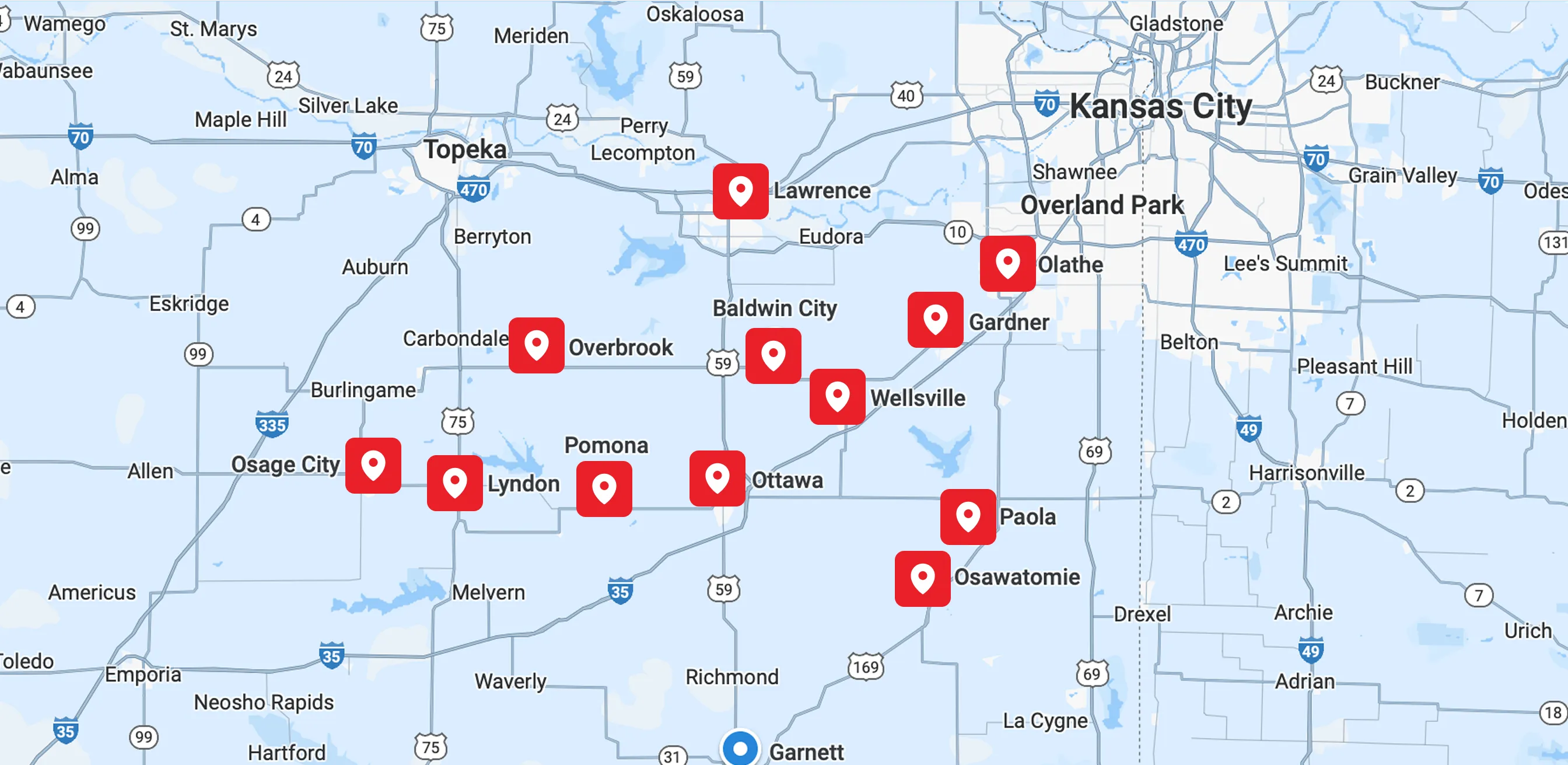
Service Areas