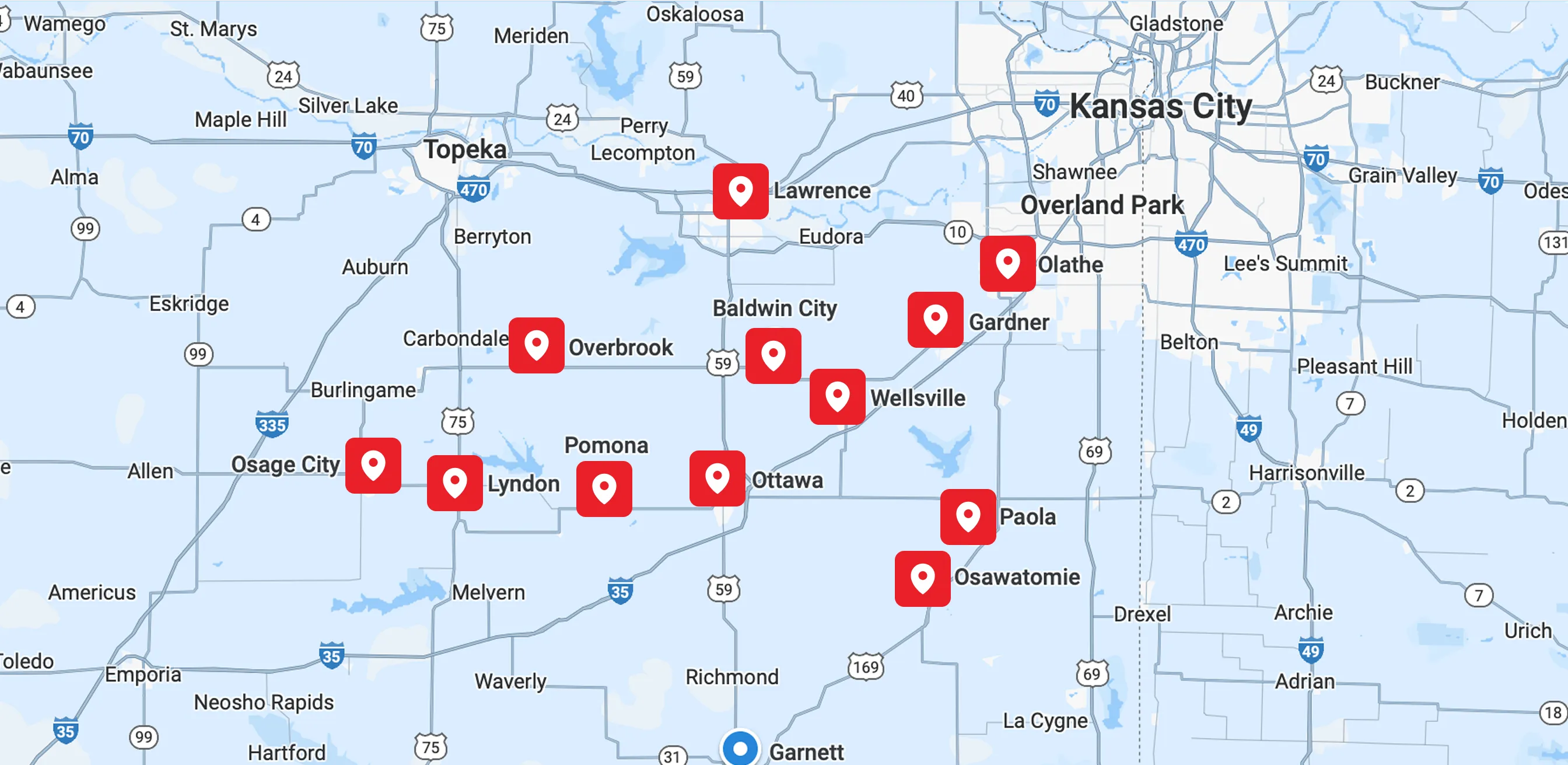
AC Installation in Wellsville, KS
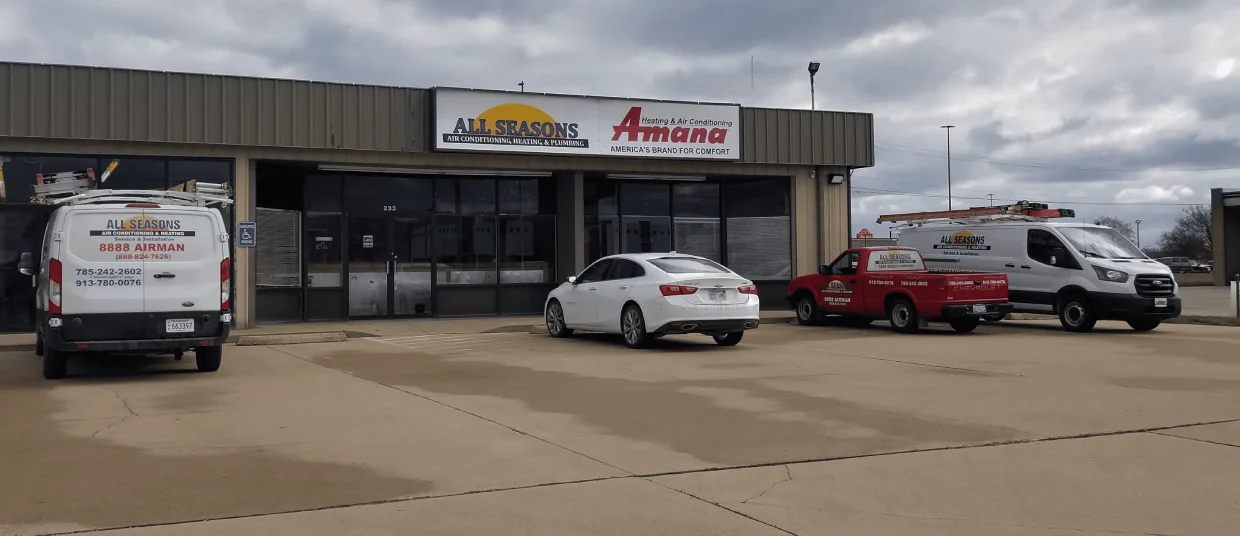
Wellsville residents can trust All Seasons Air Conditioning and Heating for expert AC installation that ensures reliable cooling, humidity control, and long-term energy savings. Our service covers central systems, ductwork upgrades, ductless mini-splits, and heat pumps, beginning with a thorough home assessment, precise Manual J load calculations, and careful site preparation. The process includes equipment selection, permitting, professional installation, start-up, and commissioning, followed by clear warranties and post-install maintenance guidance to maximize comfort, efficiency, and system lifespan for Wellsville homes. Choosing the right equipment and qualified installers is essential for your ongoing satisfaction.
.webp)
AC Installation in Wellsville, KS
A properly installed air conditioning system keeps your Wellsville home comfortable through hot, humid Kansas summers while controlling indoor humidity and energy costs. For homeowners ready to replace an aging unit or install cooling for the first time, understanding the installation process, common local issues, timelines, and warranty considerations ensures the right system is selected and performs reliably for years.
Why specialized AC installation matters in Wellsville, KS
Wellsville experiences warm, humid summers and occasional severe weather. That climate makes humidity control, equipment durability, and fast, accurate installation priorities. Poorly sized systems or inadequate ductwork can leave homes feeling clammy, drive up energy bills, and shorten equipment life. Local factors to consider include older home wiring or electrical panels, attic insulation levels, and soil/yard drainage that affect outdoor unit placement.
Common AC installation issues in Wellsville
- Improper unit sizing (too large or too small) leading to short cycling or insufficient dehumidification
- Underperforming duct systems with leaks, inadequate return air, or poor insulation
- Incorrect refrigerant charge or airflow restrictions reducing efficiency and lifespan
- Inadequate condensate drainage and ventilation around the outdoor unit
- Electrical service limitations in older homes preventing safe operation of modern units
Types of installations covered
- Central forced-air systems matched to existing ductwork
- Full system replacements including new ductwork and registers
- Ductless mini-split installations for additions or homes without ducts
- Heat pump installations for combined heating and cooling efficiency
- Upgrades to variable-speed compressors and high-efficiency equipment for humidity and cost control
The installation process — what to expect
- Initial consultation and home assessment
- A technician performs a walk-through of your home to assess living spaces, attic and crawlspace access, current duct layout, electrical service, and any site constraints (noise concerns, yard access, or drainage).
- Technicians discuss comfort priorities, budget considerations, and any indoor air quality needs such as filtration or humidification.
- Load calculations and unit selection
- A Manual J load calculation is performed to determine the correct cooling capacity based on square footage, orientation, insulation, window types, occupancy, and local climate factors. This prevents the common problem of oversized or undersized systems.
- Recommendations include SEER rating, compressor type (single-stage, two-stage, or variable-speed), coil and condensing unit match, and options for improved humidity control. In Wellsville, systems with good dehumidification and moderate to high SEER ratings typically provide the best balance of comfort and efficiency.
- Site preparation and permitting
- Site selection for the outdoor unit considers airflow, setbacks, sun/shade exposure, and storm resilience. Proper pad or bracket installation ensures stable, level support.
- Permits and inspections are arranged to meet local building and electrical codes. Licensed technicians ensure all work complies with Ottawa County and Wellsville requirements, including refrigerant handling and electrical connections.
- Professional installation steps
- Old equipment removal: safe recovery of refrigerant and disposal of old components.
- Ductwork adjustments or replacements as needed: sealing, balancing, and insulating supply and return ducts to maximize efficiency.
- Mechanical installation: setting the outdoor unit, installing the indoor coil or air handler, running refrigerant lines, electrical wiring, and condensate drains. All brazing and pressure tests are performed to ensure leak-free refrigerant circuits.
- Thermostat and control setup, including zoning or programmable thermostats if specified.
- Start-up testing and commissioning
- Technicians verify refrigerant charge, measure system airflow, check electrical loads and amp draw, and confirm proper temperature differentials (delta T) across the coil.
- System is run through operational modes to ensure reliable cycling, safety controls, and accurate thermostat communication. A commissioning checklist documents all readings and adjustments.
Expected timelines
- Initial consultation and assessment: 1–2 hours
- Proposal and equipment selection: delivered within a few days after assessment
- Permitting and scheduling: 3–14 days depending on permit turnaround and parts availability
- Typical installation (central system, like-for-like): 1–3 business days
- Complex installs (new ductwork, custom placement, or multi-zone systems): 3–5 days or longer
Timelines vary with permit processing, equipment lead times, and the scope of ductwork or electrical upgrades.
Post-installation care and what to watch for
- Break-in period: expect the system to stabilize over the first few weeks. Monitor for proper cooling, consistent airflow, and any unusual noises or odors.
- Indoor humidity: if the home remains humid, revisit thermostat settings, consider a variable-speed system, or add supplemental dehumidification.
- Filter and coil care: change or clean filters regularly (monthly or per manufacturer guidance) and keep the outdoor unit clear of debris and vegetation.
- Annual maintenance: seasonal Tune-Ups extend life and maintain efficiency. Recommended checks include refrigerant level, airflow, electrical, condensate lines, and coil cleaning.
Warranty and documentation
- Manufacturer warranties typically cover major components (compressor, coil, parts) and vary by brand and model; many modern units offer limited parts and compressor warranties in the 5- to 10-year range, with extended coverage available through registration.
- Installation labor warranties from the installing contractor often cover workmanship for a defined period; ensure this is documented in your installation packet.
- Keep copies of the Manual J, equipment specifications, start-up readings, and permit/inspection paperwork for future service and warranty claims.
Customer Testimonials
Service Areas