AC Tune-Up in Lyndon, KS
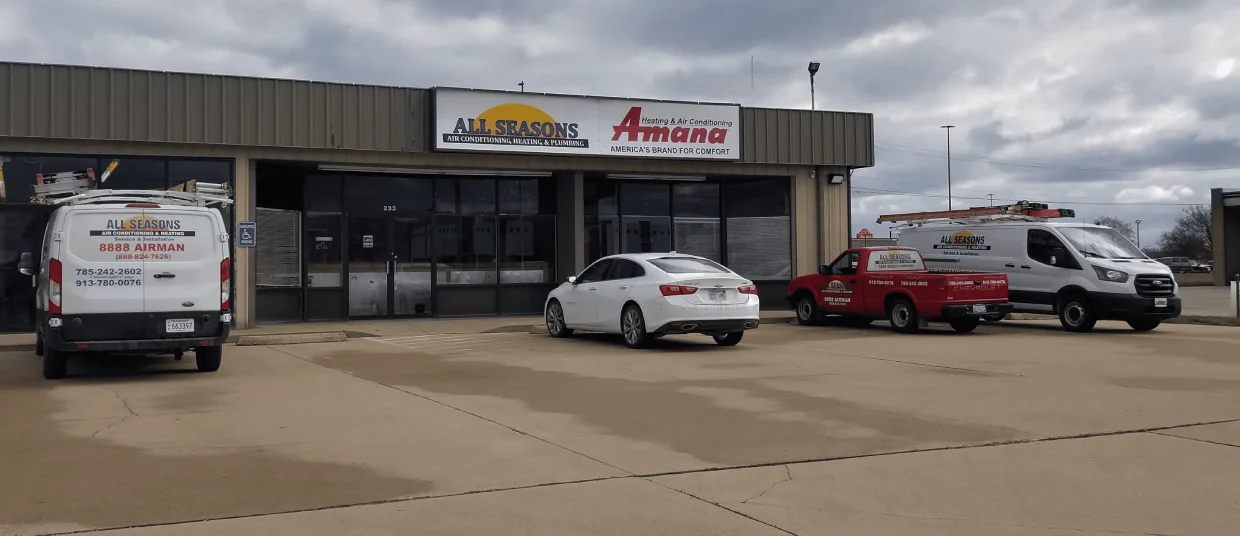
An AC tune-up in Lyndon, KS with All Seasons Air Conditioning and Heating provides a thorough, preventive service to keep your air conditioning systems reliable, efficient, and ready for hot summers. Our service follows a seasonal checklist, from filter changes and coil cleaning to electrical checks, thermostat calibration, refrigerant inspection, and performance testing. Our technicians diagnose issues, identify minor repairs, and explain recommendations to minimize downtime. Benefits include improved efficiency, reduced breakdowns, longer equipment life, and steadier comfort, with maintenance plans offering discounts and scheduled visits to keep you cool.
.jpeg)
AC Tune-Up in Lyndon, KS
A seasonal AC Tune-Up keeps your cooling system reliable, efficient, and ready for the hottest months in Lyndon, KS. With warm, humid summers, agricultural dust, and pollen common across Osage County, small problems can escalate quickly into costly breakdowns. A professional Tune-Up addresses those issues before they affect comfort, energy bills, or the lifespan of your air conditioner.
Common AC problems in Lyndon homes
- Reduced cooling performance on high-humidity days
- Rising energy bills compared with previous seasons
- Short-cycling (system turning on and off frequently)
- Noisy outdoor condenser or indoor blower motor complaints
- Frozen evaporator coils or poor airflow from vents
- Frequent tripped breakers or failing capacitors after heavy summer use
These problems are often caused or worsened by dirty filters, clogged coils, low refrigerant, worn belts, or electrical component fatigue — conditions a Tune-Up is designed to catch.
What an AC Tune-Up includes (seasonal checklist)
A thorough seasonal AC Tune-Up follows a consistent checklist to evaluate, clean, and tune the system for peak performance. Typical items covered:
- Filter change
Replace or inspect filters to restore proper airflow, reduce strain on the blower, and improve indoor air quality. In Lyndon, homes near farmland may need more frequent filter changes during planting and harvest seasons. - Coil and condenser cleaning
Clean the evaporator coil and external condenser coil to remove dust, pollen, and debris that reduce heat transfer and efficiency. A clean coil helps the system reach set temperatures faster on humid days. - Electrical component checks
Inspect contactors, capacitors, wiring, and breakers for wear, corrosion, or loose connections. Preventing electrical failures reduces sudden breakdowns during peak cooling demand. - Thermostat calibration and control checks
Verify thermostat accuracy, setpoints, and communication with the system. Proper thermostat operation prevents unnecessary runtime and improves comfort consistency. - Refrigerant inspection
Check refrigerant charge and look for leaks. Low refrigerant is a common cause of poor cooling and frozen coils; identifying leaks early avoids repeat service calls. - Belt and motor lubrication / blower inspection
Lubricate motors and inspect belts and bearings where applicable. Smooth operation reduces noise, prevents overheating, and extends component life. - Drain line and condensate pan inspection
Clear drain lines and clean pans to prevent water damage and microbial growth. High humidity increases condensate, making this step especially important. - Performance testing and system measurements
Measure airflow, temperature split, amperage draw, and static pressure to confirm the system operates within manufacturer specifications. Performance testing identifies hidden issues that visual inspection can miss.
Diagnostic process: how problems are identified
During a Tune-Up, technicians combine visual inspection, diagnostic measurements, and system history to determine root causes:
- Use gauges and temperature readings to assess refrigerant levels and load performance.
- Measure electrical current and voltage to spot failing motors or capacitors.
- Monitor run cycles to detect short-cycling or oversized/undersized system behavior for the home.
This method lets technicians recommend targeted repairs instead of guesswork, minimizing downtime and avoiding unnecessary parts replacement.
Typical repairs discovered during Tune-Ups and what they mean
- Refrigerant leak repair and recharge — fixes cooling loss and stops evaporator freezing.
- Capacitor or contactor replacement — resolves hard starts, intermittent operation, and tripped breakers.
- Blower motor or belt replacement — restores airflow and improves distribution through ducts.
- Condenser fan motor or coil repairs — essential for heat rejection on hot Kansas afternoons.
- Thermostat replacement or reprogramming — improves control and reduces runtime in variable temperatures.
Most repairs discovered during a Tune-Up are smaller, preventive fixes that avoid emergency weekend calls in the peak of summer.
Expected benefits of a seasonal Tune-Up
- Improved efficiency and lower energy use — a clean, correctly charged system uses less power to cool the same space.
- Fewer mid-season breakdowns — preventive checks catch worn parts before they fail under heavy load.
- Longer equipment service life — regular maintenance reduces stress on components and delays costly replacements.
- More consistent comfort — calibrated thermostats, restored airflow, and clean coils maintain even temperatures across the home.
- Better indoor air quality — fresh filters and cleaned coils lower dust, pollen, and allergen circulation — especially valuable during spring and summer in rural areas.
Membership discounts and recommended frequency
For homeowners who want dependable, ongoing care, joining a maintenance plan provides consistent benefits:
- Members typically receive scheduled seasonal visits, priority appointment scheduling during peak demand, and discounts on repairs and parts.
- Most systems benefit from an annual spring Tune-Up before summer load increases. Homes with older equipment, heavy pollen/dust exposure, or frequent use may see advantages from biannual service (spring and fall) to cover both cooling and heating season prep.
- Regular maintenance visits are often bundled to include at least one filter change and safety checks as part of the plan.
How Tune-Up appointments are scheduled and what to expect
Scheduling is generally handled through the HVAC provider’s normal appointment system and may be included or prioritized for maintenance members. A typical Tune-Up appointment lasts 45–90 minutes depending on system condition and whether minor repairs are performed the same day. Technicians will:
- Walk a concise checklist while keeping records of readings and findings.
- Explain any required repairs in straightforward terms and note items to monitor.
- Leave the system ready for the season with documented performance data for future comparisons.
Customer Testimonials
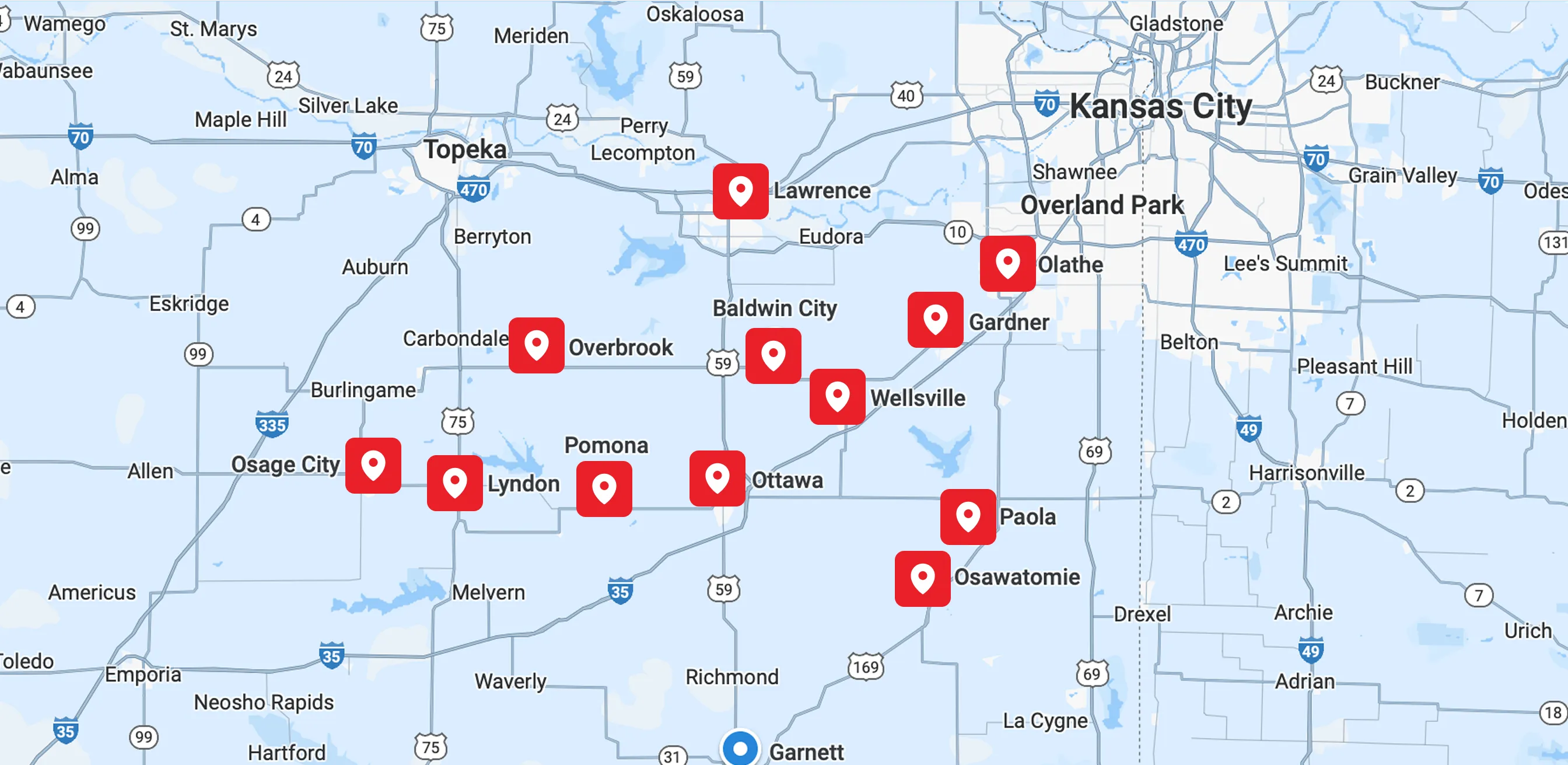
Service Areas