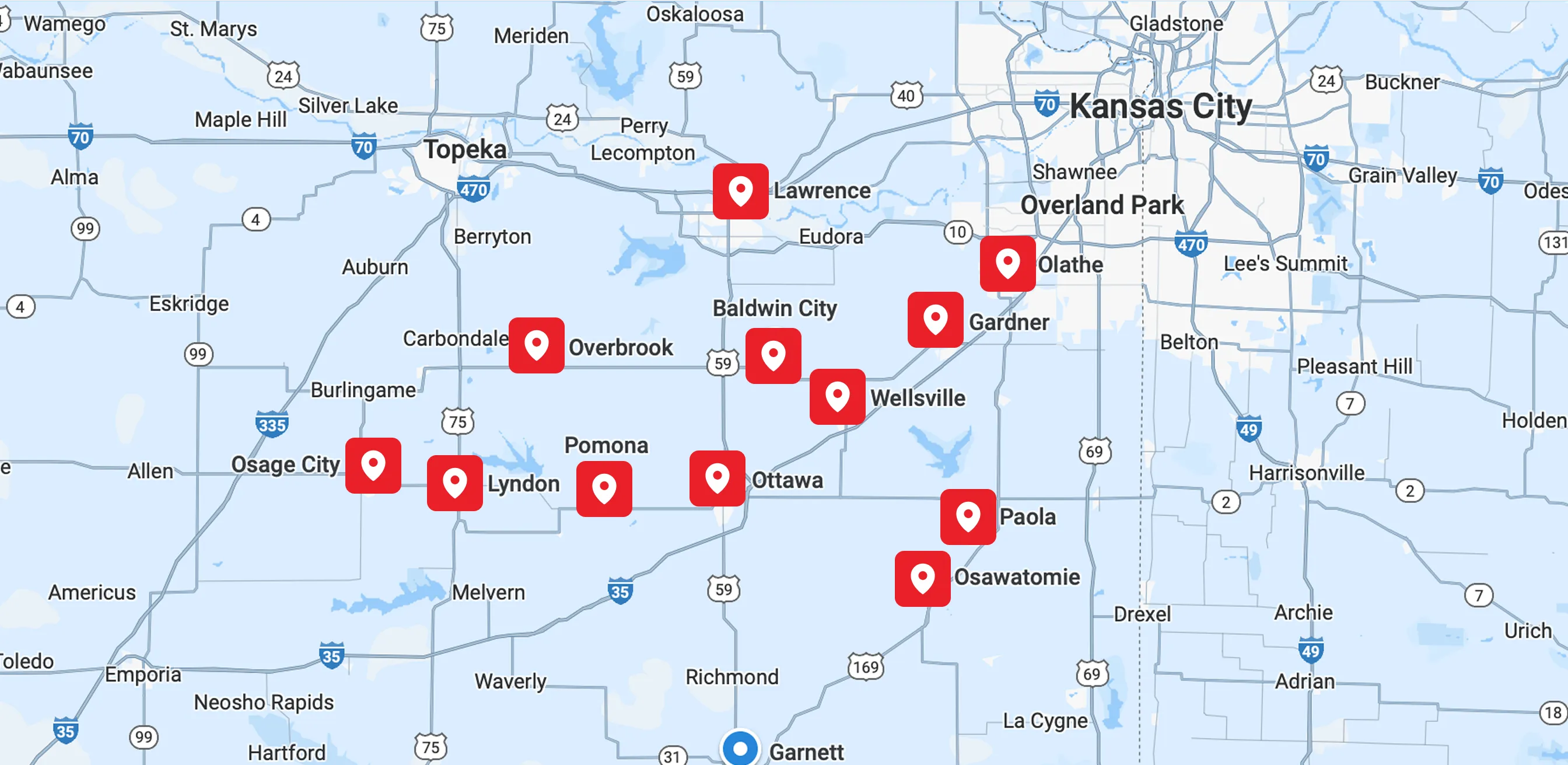
Heat Pump Installation in Gardner, KS
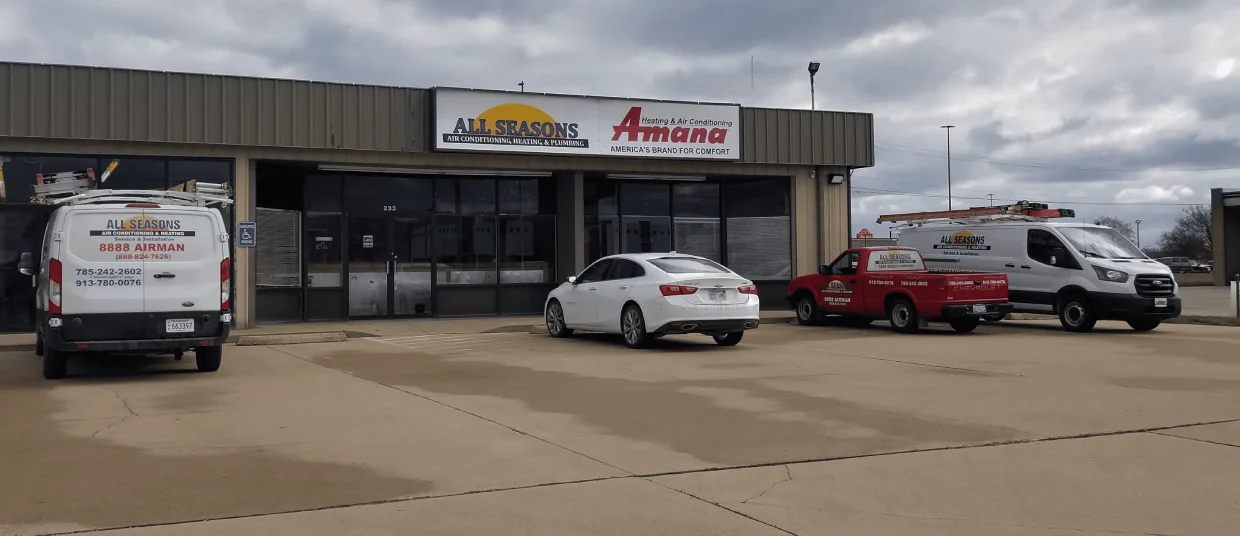
All Seasons Air Conditioning and Heating's Heat Pump Installation guide for Gardner, KS explains a comprehensive, local-friendly process from initial consultation through commissioning. We cover system sizing with Manual J calculations, selecting efficient models (split, ductless, or geothermal), and dual-fuel configurations to optimize performance in Johnson County's climate. We outline step-by-step installation procedures, electrical and ductwork considerations, safety checks, commissioning, and post-installation maintenance. Homeowners gain a clear roadmap to reliable comfort, energy savings, and long-term equipment reliability. This guide emphasizes local code compliance and value over time.
.webp)
Heat Pump Installation in Gardner, KS
Upgrading to a modern heat pump is one of the most effective ways to cut year-round energy costs while improving comfort in Gardner, KS homes. Heat Pump Installation in Gardner, KS focuses on sizing, system selection, and professional installation that accounts for the hot, humid summers and cold winters typical of northeast Kansas. This page explains what to expect from the initial consultation through commissioning, common local concerns, and the long-term benefits of a properly installed system.
Why a heat pump makes sense in Gardner, KS
Gardner sees wide temperature swings across seasons: high cooling loads in humid summers and periodic subfreezing conditions in winter. A high-efficiency air-source heat pump or a cold-climate model delivers efficient cooling and dependable heating for most winter days. When paired with a gas furnace as a dual-fuel system, heat pumps can maximize efficiency while ensuring reliable heat during the coldest snaps common in Johnson County. Proper installation and sizing are essential to realize these benefits.
Common heat pump installation types and local issues
- Split-system air-source heat pumps: common for homes with existing ductwork; effective and cost efficient.
- Ductless mini-split systems: best for older homes without ducts, additions, or rooms needing targeted comfort control.
- Geothermal (ground-source) heat pumps: high efficiency and stable performance, with higher upfront complexity.
- Dual-fuel systems: combine heat pump with furnace for optimal performance in extreme cold.
Common heat pump issues in Gardner, KS that installation addresses:
- Undersized systems causing short cycling and inadequate comfort during heat waves or cold spells.
- Poor ductwork or leaky return pathways that reduce efficiency and increase operating cost.
- Incorrect refrigerant charge or airflow settings leading to reduced performance.
- Improper placement of outdoor units near prevailing wind, storm paths, or noise-sensitive areas.
Initial consultation and load calculation
A reliable installation begins with an on-site consultation and a professional load calculation. Technicians conduct a Manual J calculation to determine heating and cooling loads based on:
- Square footage and room-by-room layout
- Insulation levels, window types, and orientation
- Attic and basement conditions
- Local climate data and typical occupancy patterns
This yields the correct capacity (not simply “bigger is better”) and informs ductwork and distribution planning. The consultation also checks electrical service capacity, available space for the outdoor unit, and any permit requirements from Gardner or Johnson County.
System selection and layout planning
System selection considers efficiency ratings (SEER, HSPF, or cold-climate performance), inverter technology, and compatibility with existing ducts or controls. During layout planning technicians determine:
- Outdoor unit placement for airflow, noise control, and service access
- Indoor unit location or air handler sizing to optimize airflow paths
- Refrigerant line routing and condensate disposal routes
- Zoning requirements or multi-zone ductless arrangements for improved comfort
Layout planning also factors local weather exposures, roof overhangs, and property setbacks to ensure durability and code compliance.
Step-by-step installation procedures
A professional installation typically follows these steps:
- Site preparation and permitting: confirm permits and create a safe workspace; protect floors and landscaping.
- Disconnect and remove old equipment: drain lines, recover refrigerant per regulations, and remove obsolete components.
- Mount outdoor unit and pad: set a level concrete or composite pad with adequate clearance and vibration isolation.
- Install indoor air handler or evaporator coil: secure to platform or attic, seal duct connections, and inspect insulation.
- Run refrigerant lines and wiring: measure and cut line sets, perform brazing with proper EPA practices, and install control wiring.
- Connect condensate drain and electrical feed: install condensate traps and ensure a dedicated, code-compliant circuit and disconnect.
- Evacuate, charge, and test refrigerant system: pull a deep vacuum, verify leak-free brazes, and charge to manufacturer specifications.
- Final duct sealing and airflow balancing: seal seams, insulate ducts in unconditioned spaces, and balance registers to design airflow.
Typical installations vary in duration depending on system type, ductwork needs, and any electrical upgrades.
Electrical and ductwork considerations
Heat pump installations frequently require electrical updates:
- Dedicated circuit with correct breaker size, disconnect, and wire gauge to match unit amperage
- Service panel capacity check; upgrades may be needed for high-efficiency or multi-zone systems
- Lightning and surge considerations in storm-prone areas
Ductwork assessments identify leaks, undersized runs, and insulation shortfalls. Sealing and properly insulating ducts in attics or crawl spaces improves performance significantly. When ducts are not practical, ductless options avoid these issues while providing room-by-room control.
Safety checks and commissioning
Commissioning verifies the system operates safely and efficiently:
- Electrical continuity and proper grounded connections
- Refrigerant pressures, superheat, and subcooling measurements
- Airflow readings and temperature split across the evaporator coil
- Leak checks and refrigerant containment documentation
- Thermostat calibration and control logic verification
Technicians should provide documentation of startup measurements and any adjustments made to reach manufacturer performance targets.
Post-installation testing and user orientation
After commissioning, homeowners receive an orientation covering:
- How to use thermostat features and energy-saving modes
- Routine maintenance tasks such as filter replacement intervals and simple filter types (MERV recommendations)
- Recognizing warning signs like unusual noises, ice on the outdoor unit, or persistent temperature imbalance
- Emergency shutdown procedures and breaker locations
This walkthrough ensures homeowners understand their new system and how to keep it running efficiently through the seasons.
Warranties and maintenance packages
Most heat pumps carry manufacturer warranties on compressors and major components; labor warranties can vary. Maintenance packages commonly include:
- Biannual tune-ups for cooling and heating seasons
- Safety and performance checks, refrigerant level verification, and airflow measurement
- Priority scheduling for repairs and discounted labor rates on parts
- Annual filter service or filter subscription options
Registering the system with the manufacturer and keeping maintenance records helps preserve warranties and long-term performance.
What to expect on installation day in Gardner, KS
Expect a professional crew to arrive prepared with protective floor coverings and containment for refrigerant recovery. Typical home installations take several hours to a full day depending on complexity. Homeowners should provide access to the attic, mechanical room, and outdoor unit location. Installers will handle permits and coordinate any required inspections with local authorities. Minor disruption is normal, but crews should leave the work area clean and safe.
Long-term benefits and maintenance advice
A properly sized and installed heat pump delivers consistent comfort, lower utility bills, and reduced carbon emissions compared with older electric resistance or aging fossil-fuel systems. Routine maintenance, prompt duct sealing, and seasonal tune-ups are the best ways to preserve efficiency and extend equipment life. In Gardner, KS, choosing the right equipment and professional installation ensures year-round comfort despite humid summers and cold winter spells.
Customer Testimonials
Service Areas