
Heat Pump Tune-Up in Gardner, KS
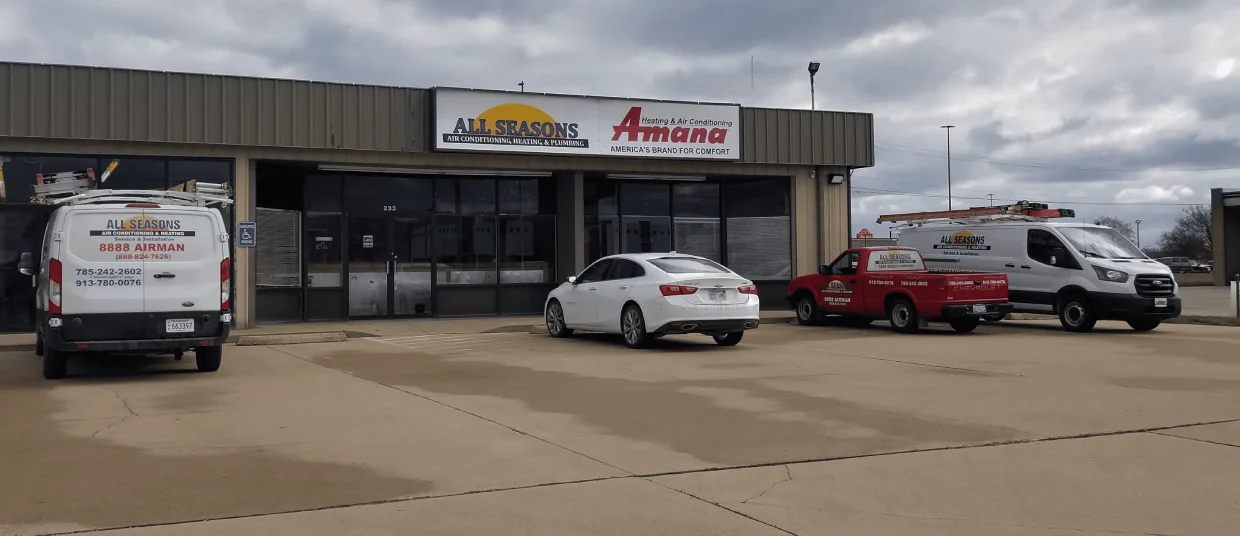
Gardner, KS homeowners can rely on All Seasons Air Conditioning and Heating for a professional heat pump tune-up to maintain comfort and control energy costs. Our service targets common wear, cleans coils, inspects refrigerant, tests electrical safety, and calibrates thermostats to restore peak performance. A thorough diagnostic flow identifies issues before failures or inefficient operation, with typical visits lasting about an hour for single-system homes. Regular tune-ups improve airflow, extend equipment life, reduce noise, and help maintain stable temperatures throughout extreme Kansas seasons.
.webp)
Heat Pump Tune-up in Gardner, KS
A regular heat pump tune-up keeps your heating and cooling system running efficiently and avoids midseason failures when Gardner, KS homes need comfort most. Heat pumps do double duty here, cooling damp, hot summers and providing efficient heating through cold winters. A professional tune-up targets the small problems that become expensive breakdowns, restores performance, and helps you get the most life from the equipment you rely on every day.
Why a tune-up matters for Gardner, KS homes
Gardner sees humid summers, pollen-heavy springs, and occasional freezing temperatures in winter. Those conditions drive common wear patterns: outdoor coils get clogged with pollen and grass clippings, filters load quickly, and repeated freeze and thaw cycles stress electrical components. A tune-up identifies and corrects these issues before they cause system failure or spike utility bills. For homeowners who value predictable comfort and lower operating costs, a tune-up is a practical investment.
Common heat pump issues in Gardner, KS
- Dirty or clogged filters causing reduced airflow and longer run times
- Frost or ice build-up on outdoor coils during winter operation
- Refrigerant loss or improper charge leading to poor heating or cooling performance
- Thermostat drift or incorrect calibration causing uneven temperatures
- Worn belts, motors, or fan issues that increase noise and decrease efficiency
- Loose or corroded electrical connections that create safety risks or intermittent operation
What a standard heat pump tune-up includes
A professional tune-up follows a consistent checklist to ensure safe, efficient operation. Typical tasks include:
- Filter inspection and replacement: Cleaning or replacing filters restores airflow and indoor air quality.
- Coil cleaning: Evaporator and condenser coils are cleaned to improve heat transfer and prevent icing.
- Thermostat calibration: The thermostat is checked and calibrated to ensure the system cycles correctly and maintains setpoints.
- Refrigerant check: System pressure and refrigerant levels are inspected for proper charge and leaks.
- Electrical safety tests: Wiring, contactors, capacitors, and breakers are inspected for wear, corrosion, and secure connections.
- Belt and motor inspection: Fans, belts, and bearings are examined and lubricated or adjusted as needed.
- System performance assessment: Overall capacity, cycling behavior, and airflow are evaluated to spot less obvious problems.
Each task helps restore factory-level performance and reduces the risk of unexpected failures during peak seasons.
Diagnostic process and expected duration
A thorough tune-up follows a logical diagnostic flow:
Most residential heat pump tune-ups are completed in about 60 to 90 minutes for a single-system home. Complex issues, multi-system properties, or extensive cleaning needs can extend the visit.
Seasonal timing recommendations
- Spring tune-up (March to April): Ideal for preparing the system for cooling season. Spring service clears pollen and debris accumulated during early-season yard work and ensures the system is ready for humid Kansas summers.
- Fall tune-up (September to October): Important before the heating load increases. A fall inspection catches refrigerant or defrost problems and verifies reliable operation through the first cold snaps.
- For homes with heavy pollen exposure, nearby construction, or lots of pets, consider more frequent checks to maintain airflow and indoor air quality.
Scheduling tune-ups before the peak heating or cooling season reduces the risk of same-day emergency calls and helps technicians detect issues under light load.
Measurable benefits of regular tune-ups
- Improved efficiency: Restored airflow and clean coils help the heat pump run less to reach the same comfort level, often yielding noticeable energy savings.
- Reduced breakdown risk: Identifying worn components and loose electrical connections before they fail lowers the chance of costly emergency repairs.
- Longer equipment life: Routine maintenance reduces wear and tear on motors and compressors, helping the system reach or exceed expected service life.
- Better comfort and reliability: Proper refrigerant charge and calibrated controls stabilize indoor temperatures and reduce short cycling.
- Safer operation: Electrical checks and safety tests reduce fire risk and hazardous failures.
Homeowners can expect improved performance that is measurable through more consistent indoor temperatures, reduced runtime, and lower energy usage compared with neglected systems.
Recurring tune-up plan options
Many homeowners choose recurring maintenance plans to keep their heat pumps in top condition. Common plan structures include:
- Annual or biannual inspections timed for spring and fall.
- Priority scheduling during peak seasons to reduce wait times for service.
- Routine filter changes included on a set schedule to maintain airflow.
- Detailed maintenance records to support warranty claims and resale value.
Recurring plans simplify upkeep and create a documented maintenance history that can help maximize equipment longevity.
Practical maintenance tips for Gardner homeowners
- Replace or clean filters every 1 to 3 months depending on usage, pets, and local pollen levels.
- Keep at least two feet of clearance around the outdoor unit; trim vegetation and remove grass clippings after mowing.
- Clear snow and ice from the outdoor unit in winter but avoid using sharp tools on coils.
- Monitor thermostat performance and program setpoints to avoid unnecessary strain during extreme weather.
- Listen for unusual noises and note longer run times; early signals make diagnostics faster and less expensive.
Customer Testimonials
Service Areas