Heat Pump Service in Gardner, KS
Heat pump service in Gardner, KS, provided by All Seasons Air Conditioning and Heating, offers a comprehensive overview of maintenance, diagnostics, repair, and installation options tailored to our local climate. We explain common issues such as poor defrost performance, refrigerant leaks, and noisy operation, and walk through step-by-step diagnostic procedures, safety checks, and repair pathways. We also cover technician qualifications, warranty expectations, emergency response, and preventive care to help homeowners make informed decisions and maximize system efficiency and longevity. We emphasize proactive service and local considerations for Gardner homes.
.jpeg)
Heat Pump Service in Gardner, KS
In Gardner, KS, reliable heat pump service keeps homes comfortable year-round through hot, humid summers and cold, often icy winters. A properly maintained heat pump delivers efficient heating and cooling, lowers energy bills, and reduces the risk of mid-season breakdowns. This page outlines the full range of heat pump services available in Gardner, KS, explains common problems specific to the region, describes diagnostic and repair processes, and clarifies technician qualifications, warranty expectations, emergency response and preventive care to help you make a confident decision about maintaining or upgrading your system.
Why timely heat pump service matters in Gardner, KS
Gardner’s climate puts unique stress on heat pumps. Summers are humid and can push systems to run continuously in cooling mode; winters feature freezing temperatures and occasional ice buildup that stresses defrost cycles. Seasonal storms and fluctuating temperatures increase wear on electrical components and outdoor condenser coils. Regular, location-aware service minimizes costly failures during extreme weather, improves year-round comfort, and preserves system efficiency.
Common heat pump issues in Gardner, KS
- Reduced heating capacity in cold snaps — inefficient defrost cycles, low refrigerant, or failing reversing valve.
- Poor cooling or weak airflow during humid summers — dirty coils, clogged filters, failing blower motor, or duct leakage.
- Short cycling or frequent on/off cycles — incorrect sizing, thermostat issues, or compressor/electrical problems.
- Refrigerant leaks — diminished cooling/heating performance and increased energy use.
- Frozen outdoor unit or excessive ice — blocked airflow, refrigerant imbalance, or faulty defrost control.
- Noisy operation — failing fan motors, worn bearings, loose panels, or failing compressors.
- Electrical failures and tripped breakers — bad capacitors, contactors, or loose wiring accelerated by storms.
Typical diagnostic process for heat pump service
- Arrival and safety inspection: Verify power isolation, inspect outdoor unit and indoor air handler for hazards, and visually check for ice, debris, or obvious damage.
- System history and symptom review: Ask about recent performance changes, unusual noises, or seasonal issues to target testing.
- Measured diagnostics: Check electrical components (voltage, capacitors, contactors), measure refrigerant pressures and temperatures, and test airflow and thermostat communication.
- Duct and indoor checks: Inspect filters, coils, condensate drain, blower operation, and duct connections for obstructions or leaks.
- Clear findings and options: Present a plain-language explanation of root causes and outline repair, replacement, or maintenance options with expected outcomes and typical timelines.
Repairs and solutions explained
Repairs focus on restoring reliable operation and efficiency while addressing the specific failure mode:
- Refrigerant leak repair and recharge: Locate and repair leaks, recover and recharge refrigerant to manufacturer-specified levels, and retest system performance.
- Electrical and control fixes: Replace capacitors, contactors, relays, and correct wiring faults that cause failures or intermittent operation.
- Compressor and motor replacement: Replace failing compressors or fan motors with compatible OEM-quality parts when repair is not feasible.
- Defrost and reversing valve repairs: Repair or replace defrost controls, sensors, or reversing valves causing poor heating performance or ice accumulation.
- Thermostat and control upgrades: Calibrate or replace thermostats and install compatible smart controls for improved comfort and efficiency.
- Duct sealing and airflow correction: Address restrictive airflow and duct leaks to restore proper system balance and performance.
Heat pump installation and upgrade guidance
Selecting the right replacement or upgrade is critical for long-term performance:
- Proper sizing: Load calculations determine the right capacity to avoid short cycling or insufficient heating/cooling in Gardner’s varied climate.
- Efficiency and technology: Consider higher SEER/HSPF ratings, variable-speed compressors, and inverter-driven models for better humidity control and quieter operation.
- Ducted vs ductless options: Ductless mini-splits are a strong choice for older homes without ductwork or for room-by-room zoning; air-source heat pumps remain common for ducted systems.
- Integration with existing systems: Evaluate compatibility with backup heat strips or hybrid systems used in colder periods.
- Expected lifespan and replacement indicators: Typical life expectancy is 10–15 years for standard air-source systems; recurring major repairs, frequent refrigerant leaks, and poor efficiency indicate replacement is cost-effective.
Preventive maintenance and seasonal care
Regular maintenance keeps performance high and reduces emergency repairs:
- Seasonal tune-ups: Clean coils, check refrigerant charge, inspect electrical components, lubricate motors, and verify thermostat and defrost controls.
- Filter and airflow management: Replace or clean filters quarterly (or more often during high pollen months) to maintain airflow and indoor air quality.
- Outdoor unit care: Keep the outdoor unit free of debris, ensure proper drainage to prevent freezing, and protect it from storm damage.
- Pre-winter inspection: Verify defrost and heating performance before the first cold spell to avoid emergency failures.
Benefits of routine maintenance include improved energy efficiency, longer equipment life, fewer mid-season failures, and more consistent indoor comfort during Gardner’s climate extremes.
Technician credentials, warranties and parts policy
Qualified service depends on trained, certified technicians and transparent warranty practices:
- Certifications and training: Expect technicians with EPA Section 608 refrigerant certification and recognized industry credentials such as NATE or equivalent training. Ongoing manufacturer training ensures familiarity with modern inverter and smart heat pump technology.
- Licensing and insurance: Technicians should be licensed where required and carry liability and worker coverage to protect your property.
- Parts and labor coverage: Typical industry practice includes honoring manufacturer parts warranties for new equipment and providing a workmanship warranty on service labor for a stated period. Replacement parts are commonly OEM or OEM-equivalent to preserve system performance and preserve manufacturer warranties.
- Documentation: Proper service records and installation documentation support warranty claims and provide a maintenance history valuable for future decisions.
Customer Testimonials
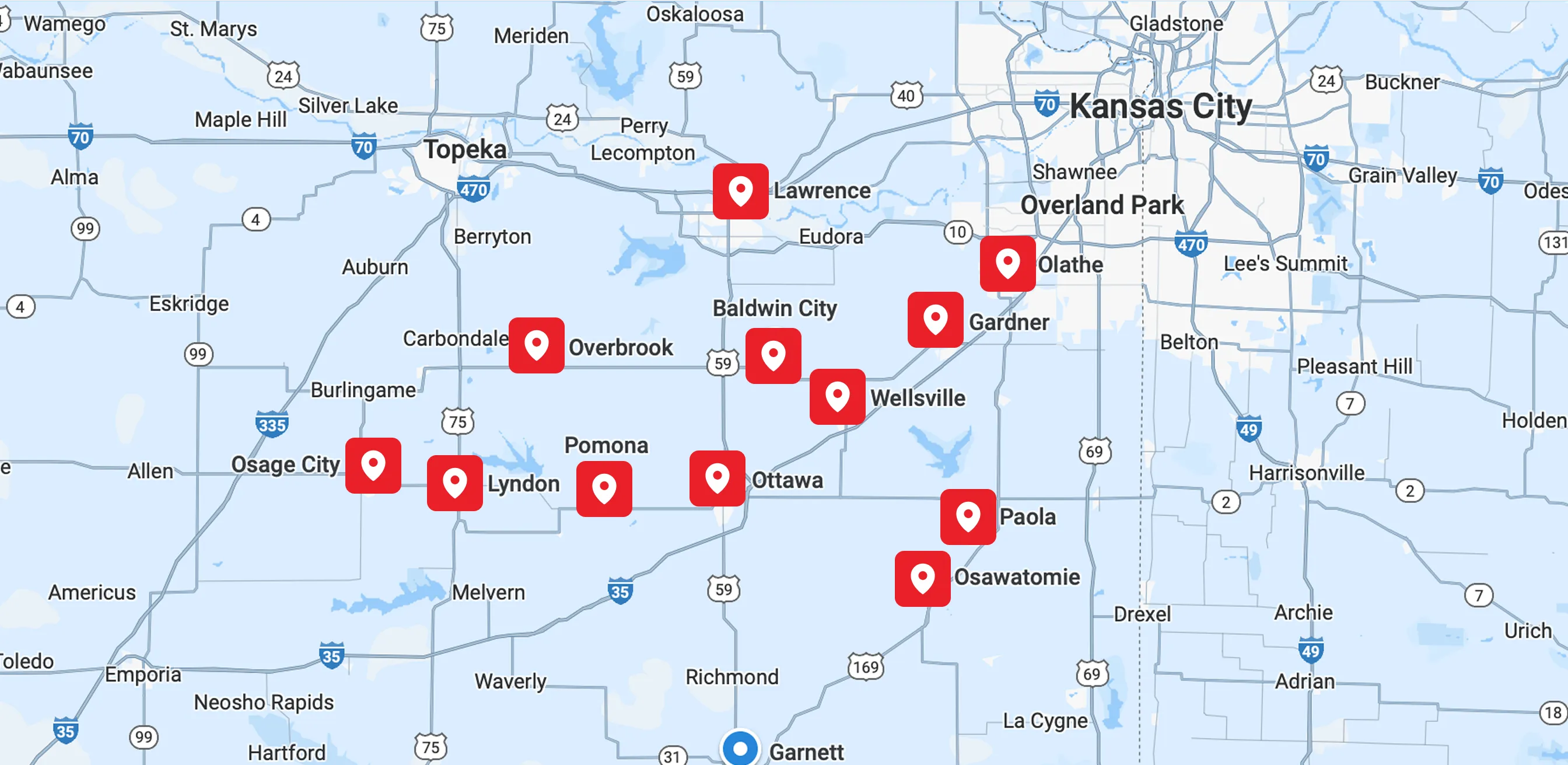
Service Areas