Heating Repair in Paola, KS
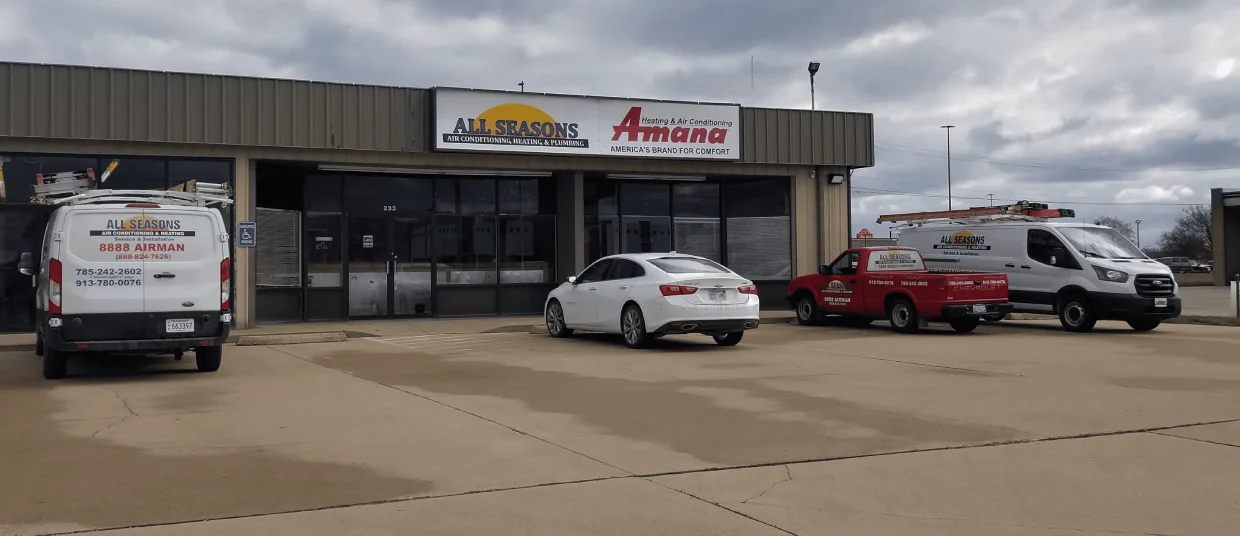
Paola homeowners count on prompt heating repair from All Seasons Air Conditioning and Heating to stay warm during cold spells. Our service outlines common Paola, KS issues such as no heat, weak airflow, short cycling, high energy use, and specific heat pump or gas furnace concerns, along with the differences between emergency versus scheduled diagnostics. We explain our transparent repair process, from initial safety checks to thorough diagnosis, precise parts replacement, careful calibration, and meticulous documentation, plus warranty expectations, technician qualifications, and pricing transparency. We also offer quick tips to help prevent future breakdowns and ensure reliability for your comfort.
Heating Repair in Paola, KS
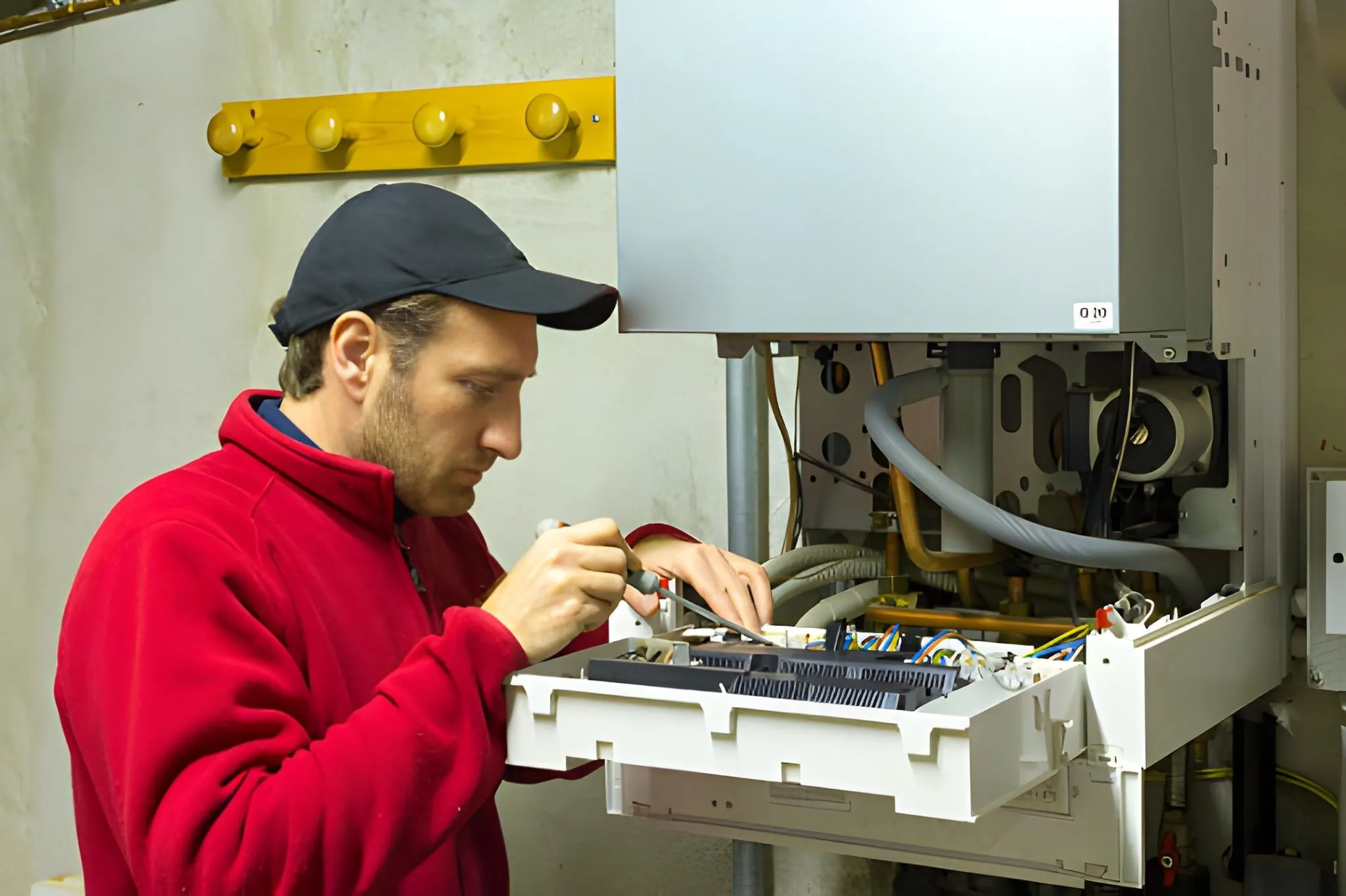
A reliable heating system is essential for Paola, KS homes, where chilly winters and occasional subzero nights can quickly turn a minor issue into an emergency. Professional heating repair in Paola, KS focuses on diagnosing problems fast, restoring safe operation, and preventing repeat failures. Whether your furnace sputters, a heat pump loses efficiency, or you notice strange odors or noises, targeted repairs keep your family comfortable and help avoid more costly replacements down the road.
Common heating repair issues in Paola, KS
Homeowners in Paola commonly face these heating faults:
- No heat or intermittent heat
Often caused by thermostat problems, failed ignition or pilot assemblies, restricted airflow, or control board failures. - Weak or uneven airflow
Clogged filters, blocked ducts, failing blower motors, or closed dampers reduce comfort and strain the system. - Short cycling (turning on and off frequently)
Caused by incorrect thermostat placement, ignition failures, overheating from restricted airflow, or malfunctioning control components. - High energy bills with normal use
Aging heat exchangers, low refrigerant (heat pumps), failing compressors, or worn motors lower efficiency. - Strange noises or odors
Rattles, squeals, or banging can indicate loose components, belt or bearing issues, or duct problems. Burning or rotten-egg smells point to electrical or gas concerns and should be checked immediately. - Heat pump-specific issues
Heat pumps can suffer from low refrigerant, defrost cycle failures during cold snaps, reversing valve faults, or outdoor unit obstructions. - Pilot light or ignition problems in gas furnaces
Dirty or failing ignition systems, flame sensors, or gas valve issues lead to unreliable heating and safety risks.
Emergency vs scheduled diagnostics
Repairs begin with a clear diagnostic approach so you know what to expect.
- Emergency diagnostics: For no heat, gas odors, or visible safety issues, an emergency diagnostic prioritizes safety checks first. Technicians check gas lines, carbon monoxide risk, ignition and safety switches, plus immediate hazards to restore safe operation.
- Scheduled diagnostics: For non-emergencies, a full system inspection identifies root causes, efficiency losses, and recommended repairs. This typically includes airflow tests, electrical checks, combustion analysis for gas furnaces, refrigerant pressure checks for heat pumps, and thermostat calibration.
Diagnostics include documented findings, a clear description of required repairs or parts, and an explanation of short- and long-term options so you can make an informed decision.
Typical repair process and parts replacement
Heating repairs follow a consistent, transparent workflow:
- Initial assessment and safety checks
Confirm system type (gas, electric, heat pump), inspect for gas leaks or electrical hazards, and verify thermostat operation. - Detailed diagnosis
Test ignition systems, blower motors, capacitors, heat exchangers, control boards, ductwork, and refrigerant levels as applicable. - Estimate and explanation
Present the problem, recommended repairs, required parts, and time to complete the work. Pricing transparency means you see labor and parts listed separately. - Approved repairs and parts replacement
Replace only what is necessary. Common replacement parts include ignitors, flame sensors, capacitors, control boards, blower motors, condensate pumps, expansion valves, and compressors for heat pumps. - System calibration and testing
After parts installation, the system is calibrated, safety features rechecked, and performance validated under operating conditions. - Documentation
Technicians document work performed, parts installed, and warranty coverage for your records.
Parts, warranties, and pricing transparency
Quality repairs use OEM or equivalent parts sized for your specific system. Parts typically carry manufacturer warranties, and labor warranties vary by provider. Transparent repair quotes separate parts and labor and explain warranty lengths. For heat pump refrigerants and other regulated materials, certified handling and proper documentation are provided to meet safety and environmental standards.
Technician qualifications and certifications
Qualified technicians are critical to safe, lasting repairs. Look for technicians who are:
- EPA certified for refrigerant handling (required for heat pump work)
- Experienced with gas furnaces, electric furnaces, and heat pump diagnostics
- Trained in combustion testing, heat exchanger inspection, and CO safety procedures
- Educated in modern control systems and thermostats, including smart thermostats
- Backed by ongoing training and manufacturer certifications for common brands
Technicians should explain issues in plain language and provide options that balance short-term fixes with long-term value.
Expected response times in Paola, KS and service considerations
Paola’s winter weather makes timely response important. Emergency heating repairs typically aim for immediate attention when safety or no-heat conditions exist. For non-emergency diagnostics, expect scheduled visits within 24 to 48 hours in most cases. Rural routes, overnight outages, or extreme weather can affect availability; clear communication about arrival windows and repair timelines helps manage expectations.
Pricing transparency means you receive a clear estimate before work begins, with explanations of any adjustments needed if unexpected problems are discovered during repairs.
Tips to prevent future breakdowns in Paola homes
Simple preventive measures reduce breakdown risk and extend system life, especially in Paola’s climate:
- Change filters regularly (every 1 to 3 months depending on filter type and household conditions).
- Schedule seasonal maintenance before the heating season to catch failing components and clean burners, coils, and ducts.
- Keep outdoor heat pump units clear of leaves, snow, and debris during fall and winter.
- Check and recalibrate thermostats, including smart settings that prevent short cycling.
- Ensure proper airflow by keeping vents open and ducts unblocked; consider duct sealing for older homes.
- Insulate and seal the home envelope, which reduces heating load and prevents overworking the system.
- Monitor carbon monoxide alarms and battery backups to ensure safety with gas-fired equipment.
Why timely heating repair matters
Prompt, professional heating repair restores comfort, improves energy efficiency, and reduces the chance of emergency failures that can require costly replacements. For Paola homeowners, addressing issues early protects against prolonged exposure to cold snaps and helps keep utility costs manageable through the season.
Consistent diagnostics, clear repair plans, certified technicians, and transparent pricing provide peace of mind. Regular maintenance combined with timely repairs preserves system reliability so your home stays warm and safe throughout Paola’s colder months.
Customer Testimonials
Service Areas