Heat Pump Maintenance in Edgerton, KS
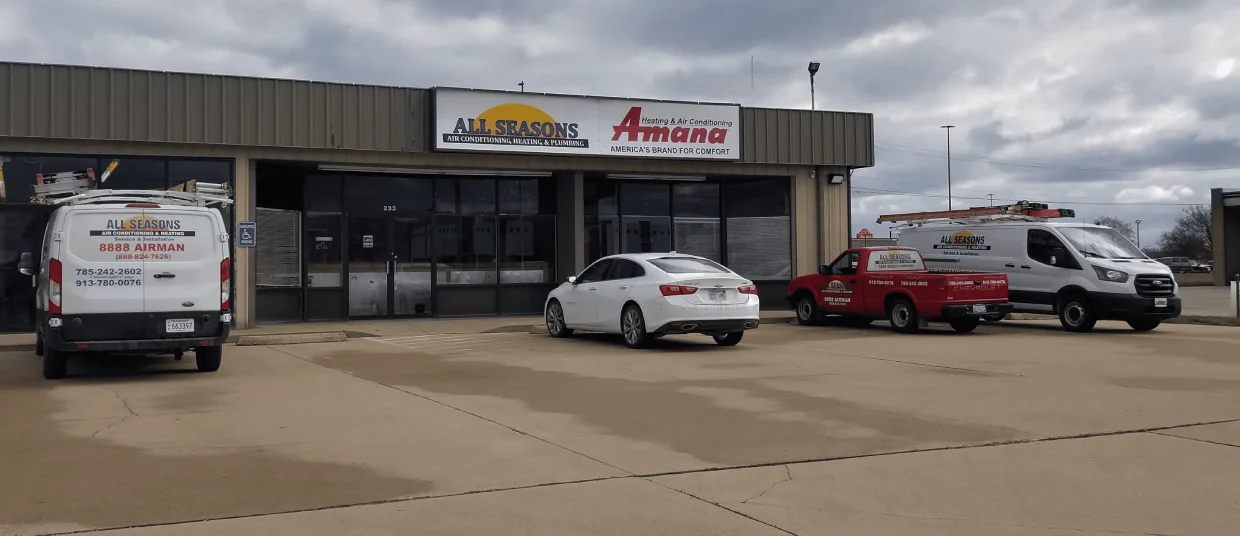
All Seasons Air Conditioning and Heating explains why regular heat pump maintenance matters in Edgerton, KS, detailing common issues, a proactive prevention plan, and how our technicians diagnose and repair problems. We describe seasonal tune-ups, diagnostics, and reporting, plus optional features like reminders and priority service. Readers learn practical maintenance steps, expected benefits such as improved comfort, energy efficiency, fewer emergencies, and longer equipment life, and what to expect from maintenance agreements designed to fit local climate and home conditions.
Heat Pump Maintenance in Edgerton, KS
Keeping your heat pump tuned and reliable is essential in Edgerton, KS, where hot, humid summers and cold winters put year round demands on heating and cooling systems. Regular heat pump maintenance protects comfort, reduces unexpected breakdowns, improves energy efficiency, and extends equipment life—especially important for homes near agricultural areas where pollen, dust, and seasonal debris increase wear. This page explains common heat pump problems in Edgerton homes, what a professional preventative maintenance program covers, how inspections and repairs are performed, and practical upkeep steps to maximize system life.
Why routine heat pump maintenance matters in Edgerton, KS
- Seasonal extremes in northeast Kansas make heat pumps work hard for both heating and cooling.
- Spring pollen, summer humidity, and dust from nearby fields increase filter and coil contamination, reducing airflow and efficiency.
- Timely maintenance keeps your system operating safely and helps preserve manufacturer warranties that often require annual service.
- Preventative checks identify small problems before they become costly failures during peak demand.
Common heat pump issues in Edgerton homes
- Reduced airflow or weak heating and cooling — often caused by dirty filters, clogged coils, or blocked vents.
- Higher energy bills with no change in comfort — frequently due to low refrigerant, dirty coils, or failing components.
- Short cycling or frequent on/off cycles — can signal electrical issues, incorrect refrigerant charge, or thermostat problems.
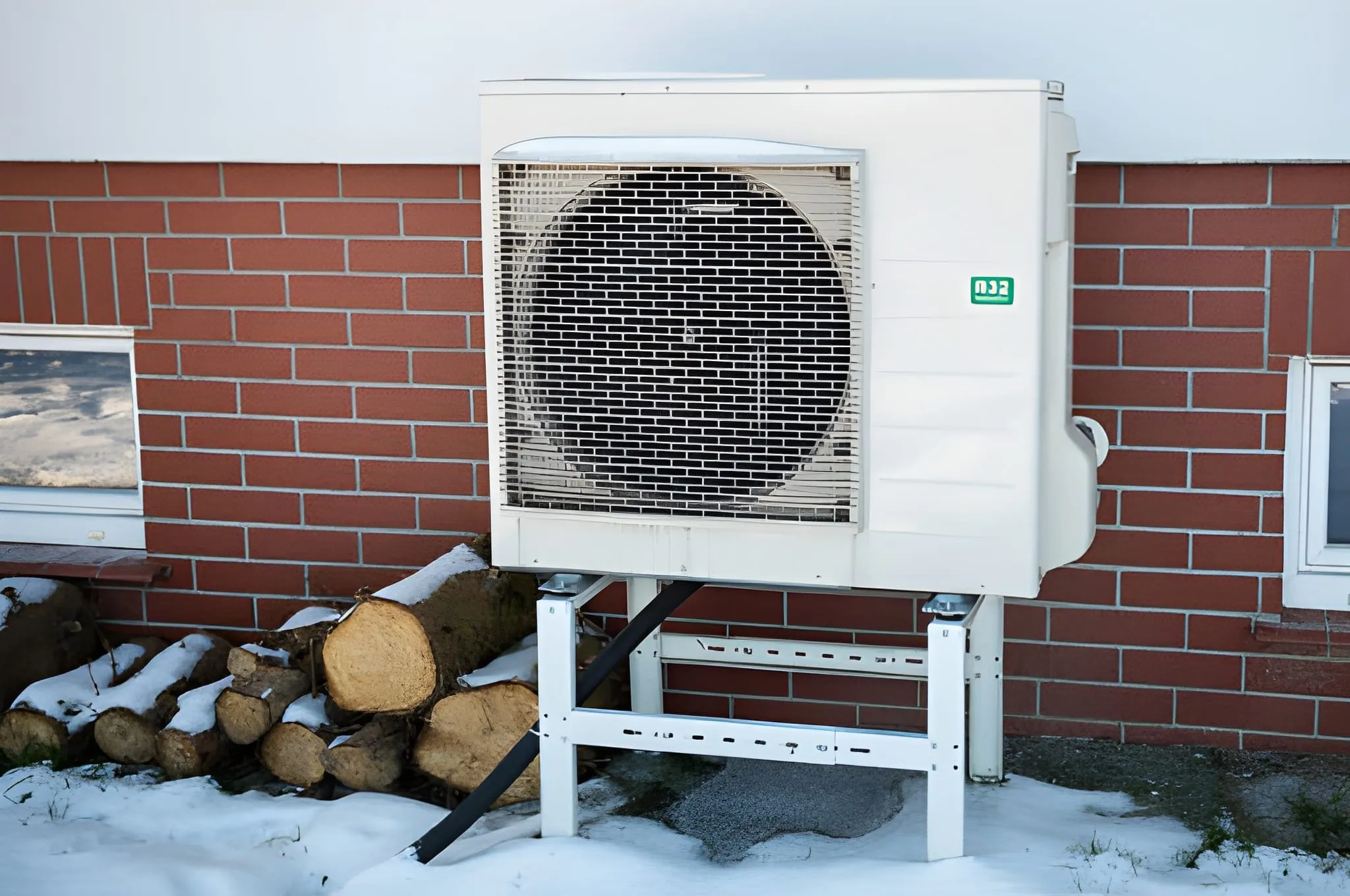
- Ice or frost buildup on the outdoor unit in winter — may indicate stuck defrost controls, low refrigerant, or restricted airflow.
- Unusual noises from the outdoor or indoor unit — worn bearings, loose panels, failing fan motors, or failing compressors.
- Water around indoor unit or clogged condensate drain — can lead to indoor humidity problems and potential mold growth.
- Inconsistent temperatures between rooms — often tied to ductwork leaks, airflow imbalance, or refrigerant issues.
What a preventative maintenance program covers
A comprehensive heat pump maintenance plan focuses on seasonal tune-ups and ongoing protection. Typical components include:
- Seasonal tune-ups (recommended at least twice per year: pre-cooling and pre-heating)
- Visual inspection of indoor and outdoor units
- Filter inspection and replacement recommendations
- Cleaning of evaporator and condenser coils
- Condensate drain cleaning and verification of proper flow
- Fan and blower motor checks and lubrication where applicable
- Electrical component inspection: capacitors, contactors, wiring, and connections
- Refrigerant level check and leak detection
- Thermostat calibration and control checks
- Safety and operational tests including defrost cycle and reversing valve operation
- Measurement of temperature split and airflow to confirm performance
- Ongoing diagnostics and reporting
- Written inspection report documenting condition, observed issues, and recommended repairs
- Performance baselines to compare future tune-ups
- Priority scheduling options and preferred appointment windows on some plans
- Optional plan features commonly included
- Scheduled reminder service for seasonal tune-ups
- Priority service during peak season
- Preferred rate or diagnostic fee waiver for approved repairs
- Record keeping and service history for warranty support
How professionals diagnose and repair heat pump problems
A qualified technician follows a systematic process to diagnose and restore performance while keeping explanations simple and actionable for homeowners:
- Walkaround inspection of outdoor unit for debris, vegetation, and physical damage.
- Indoor inspection for airflow, filter condition, and visible signs of leaks or wear.
- Test electrical connections, breakers, capacitors, and contactors for proper function.
- Verify that safety switches and controls operate as intended.
- Measure refrigerant pressures and temperatures to confirm correct charge.
- Inspect coils and clean if needed to restore heat transfer efficiency.
- Check blower speed and duct airflow to identify restrictions.
- Run the system in cooling and heating modes where applicable.
- Observe defrost cycles, reversing valve operation, and thermostat responsiveness.
- Note unusual noises and isolate their source to determine repair actions.
- Provide clear, non-technical explanation of findings, prioritizing safety and efficiency.
- Recommend repairs or component replacements only when necessary to restore reliable operation.
Benefits of regular maintenance for Edgerton homeowners
- Better comfort year round: consistent temperatures with fewer hot or cold spots.
- Improved energy efficiency: clean coils and correct refrigerant reduce work and lower energy use.
- Fewer emergency repairs: preventative work finds issues early, reducing the chance of midwinter or midsummer failures.
- Longer equipment life: routine lubrication, tightening, and cleaning reduce wear on motors and compressors.
- Documentation for warranty and resale: regular service records support warranty claims and demonstrate responsible ownership for buyers.
Practical maintenance tips Edgerton homeowners can use now
- Replace or clean filters according to manufacturer recommendations; during high pollen season check monthly.
- Keep at least two feet of clearance around the outdoor unit; remove leaves, weeds, and snow buildup.
- Avoid storing combustible materials near the heat pump and keep the unit level on its pad.
- Monitor your monthly energy bills and indoor comfort; a gradual rise in cost or loss of comfort is an early warning sign.
- Check the condensate drain occasionally for blockages or slow drainage to prevent water damage.
What to expect from maintenance agreements and how enrollment typically works
Maintenance agreements are designed to take the guesswork out of seasonal upkeep and provide predictable service. Typical elements of enrollment include:
- Choosing the level of coverage (basic inspection versus premium plan with priority response).
- Scheduling an initial inspection and first seasonal tune-up to establish system baseline.
- Setting preferences for appointment notification and automatic reminders.
- Receiving a written service record after each visit that outlines performed work and future recommendations.
- Renewal options to continue coverage annually.
Regular heat pump maintenance tailored to Edgerton climate and home conditions keeps systems efficient, safe, and dependable. For homes exposed to local pollen, dust, and seasonal temperature swings, seasonal tune-ups and a documented maintenance plan are among the most effective ways to protect comfort and reduce long-term ownership costs.
Customer Testimonials
Service Areas