Heat Pump Maintenance in Overbrook, KS
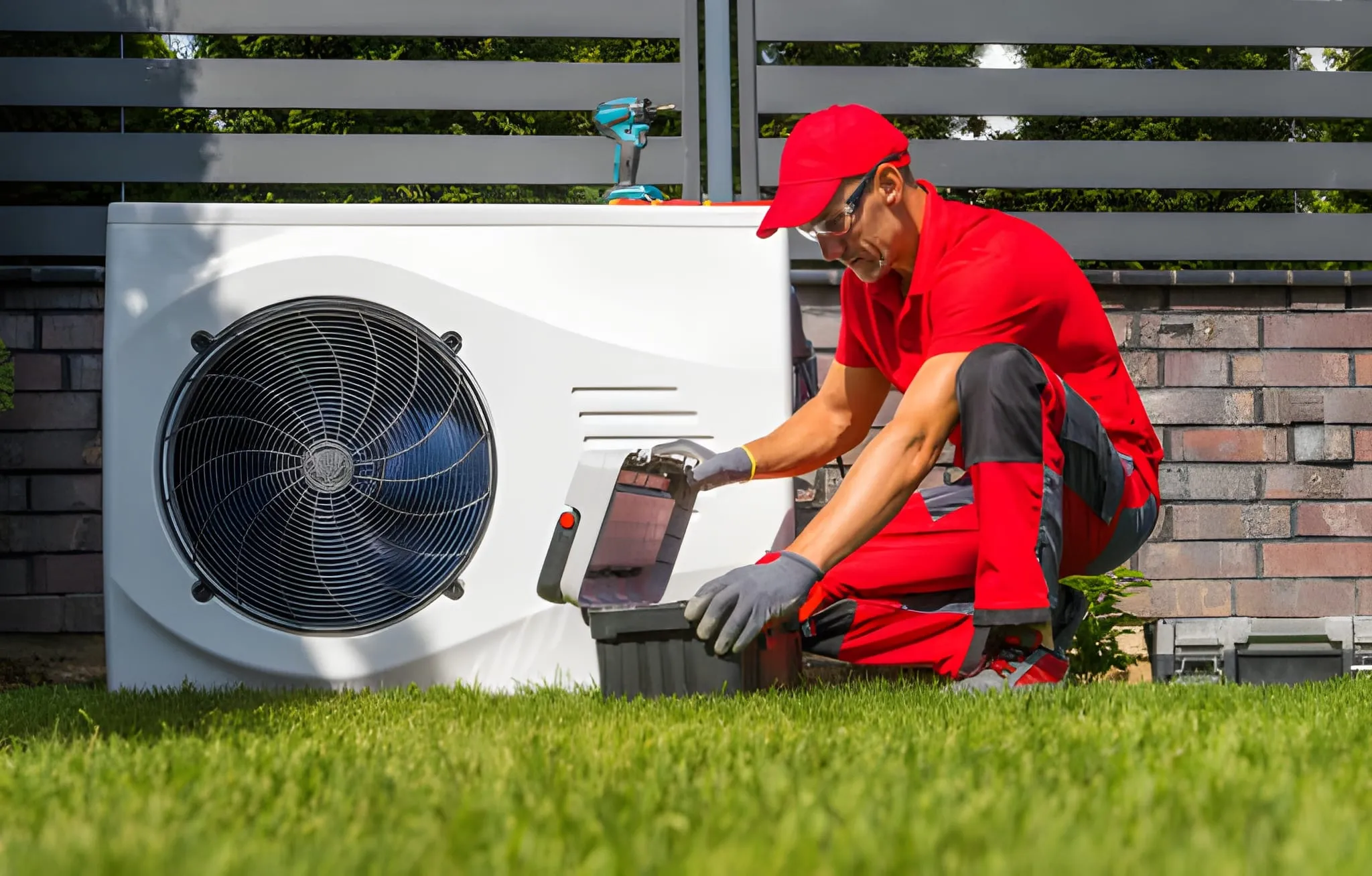
Heat Pump Maintenance in Overbrook, KS from All Seasons Air Conditioning and Heating describes a comprehensive seasonal tune-up program designed to extend equipment life, improve efficiency, and reduce midseason breakdowns. We cover inspections of outdoor and indoor units, coil and filter care, refrigerant and electrical checks, safety testing, and a written service report with recommendations. Our plan emphasizes biannual visits, preventive parts replacement, and documented performance data to support warranties, lower energy costs, and maintain reliable comfort through Kansas’ extreme weather. We help homeowners plan ahead and avoid costly emergencies.
Heat Pump Maintenance in Overbrook, KS
Keeping your heat pump running reliably through Overbrook summers and Kansas winters starts with a consistent maintenance program. Heat Pump Maintenance in Overbrook, KS preserves performance, extends equipment life, reduces energy costs, and lowers the risk of midseason breakdowns. This page explains what routine care includes, common local issues, the diagnostic and service process, recommended schedules, membership plan benefits, and the real cost-saving advantages of regular maintenance.
Why routine heat pump maintenance matters in Overbrook, KS
Overbrook experiences humid, hot summers and cold winters with freeze-thaw cycles. That seasonal swing means your heat pump works hard year round, switching between cooling and heating modes. Local factors that increase maintenance needs include:
- High summer humidity and pollen that clog filters and coils.
- Spring and fall leaf and yard debris around outdoor units.
- Agricultural dust and dirt that reduce airflow and accumulate on coils.
- Winter icing and frequent defrost cycles that stress components.
- Thunderstorms and occasional power fluctuations that can strain electrical parts.
Routine maintenance addresses these stresses, helping equipment run efficiently and reliably through seasonal extremes.
Common heat pump issues in Overbrook, KS
Homeowners in this area often call for service with these symptoms and underlying causes:
- Uneven heating or cooling: restricted airflow from dirty filters, blocked registers, or failing blower motors.
- Higher than normal energy bills: dirty coils, low refrigerant, or failing compressors reduce efficiency.
- Short cycling or frequent on/off cycles: thermostat problems, improper refrigerant charge, or unsafe electrical conditions.
- Ice buildup on the outdoor unit: restricted airflow, failing defrost controls, or refrigerant issues.
- Strange noises (clanking, buzzing, grinding): loose components, worn bearings, or failing capacitors and contactors.
- Reduced capacity in extreme cold: aging refrigerant charge, inverter/compressor wear, or insufficient auxiliary heat.
Maintenance helps identify these problems early and correct the root cause before a major failure.
What a comprehensive heat pump tune-up covers
A professional seasonal tune-up for homes in Overbrook typically includes these elements:
- Visual inspection of outdoor and indoor units for debris, physical damage, and clearances.
- Filter check and replacement recommendations (or replacement if included).
- Coil cleaning for both evaporator and condenser to restore heat transfer.
- Condensate drain line and pan cleaning to prevent clogs and water damage.
- Refrigerant level check and leak inspection; report of any findings affecting performance.
- Electrical and safety inspection of wiring, contactors, capacitors, fuses, and breakers.
- Motor and fan blade inspection, lubrication where applicable, and confirmation of proper airflow.
- Thermostat calibration and control sequence verification.
- Defrost cycle testing and reversing valve operation check.
- Measured performance testing: temperature split, suction/discharge pressures, and airflow estimates.
- A written service report with observed issues, recommended repairs, and efficiency suggestions.
These tasks are designed to restore efficiency, ensure safe operation, and document system health.
Recommended maintenance frequency for Overbrook homes
To match local seasonal demands, follow this schedule:
- Biannual tune-ups: once in early spring (pre-cooling season) and once in early fall (pre-heating season). This timing ensures preparation for the heavy use periods.
- Filter checks: monthly for reusable filters or every 1 to 3 months for disposable filters, more often during high pollen or dusty seasons.
- Coil and condensate checks: at least annually; coil cleaning is best in spring and condensate cleaning ahead of cooling season.
- Refrigerant and electrical inspection: annually, or immediately if performance drops or refrigerant leaks are suspected.
For homes with high pollen, pets, or heavy dust, increase the frequency of filter checks and indoor coil inspections.
What to expect during a service visit
A professional maintenance visit typically follows this sequence:
Technicians should explain findings in straightforward terms and prioritize repairs that affect safety and reliability.
Membership and service-plan benefits
A structured maintenance plan tailored for Overbrook homeowners often delivers clear advantages:
- Scheduled biannual visits timed to local seasons so your system is ready before demand spikes.
- Priority scheduling during peak seasons to reduce wait times when everyone needs service.
- Discounted labor or parts pricing for covered repairs.
- Filter delivery or replacement options included in plans to ensure consistent airflow.
- Detailed service records that support warranty compliance and increase resale value.
- Preventive parts replacement recommendations to avoid costly emergency repairs.
Membership plans translate predictable annual costs into measurable long-term savings and fewer emergency calls.
Cost-saving advantages of regular maintenance
Regular maintenance is an investment that offsets larger costs:
- Improved efficiency lowers monthly utility bills by maintaining optimal heat transfer and airflow.
- Early detection of refrigerant leaks and electrical wear prevents compressor failures, which are among the most expensive repairs.
- Proper lubrication and cleaning reduce wear on moving parts, extending the life of the system by several years.
- Maintained systems have more consistent comfort and fewer emergency service interruptions, reducing short-term repair spending.
- Documented maintenance helps preserve manufacturer warranties that often require scheduled service.
When maintenance indicates replacement
Routine service may reveal signs that repair is no longer cost effective. Common replacement indicators include:
- Frequent compressor failures or evidence of extensive compressor wear.
- Repeated refrigerant leaks with diminishing capacity.
- Systems beyond expected service life with declining efficiency despite repairs.
- Major component failures where repair cost approaches replacement cost.
Maintenance visits provide the information needed to make an informed decision about repair versus replacement.
Customer Testimonials
Service Areas