Heat Pump Tune-Up in Overbrook, KS
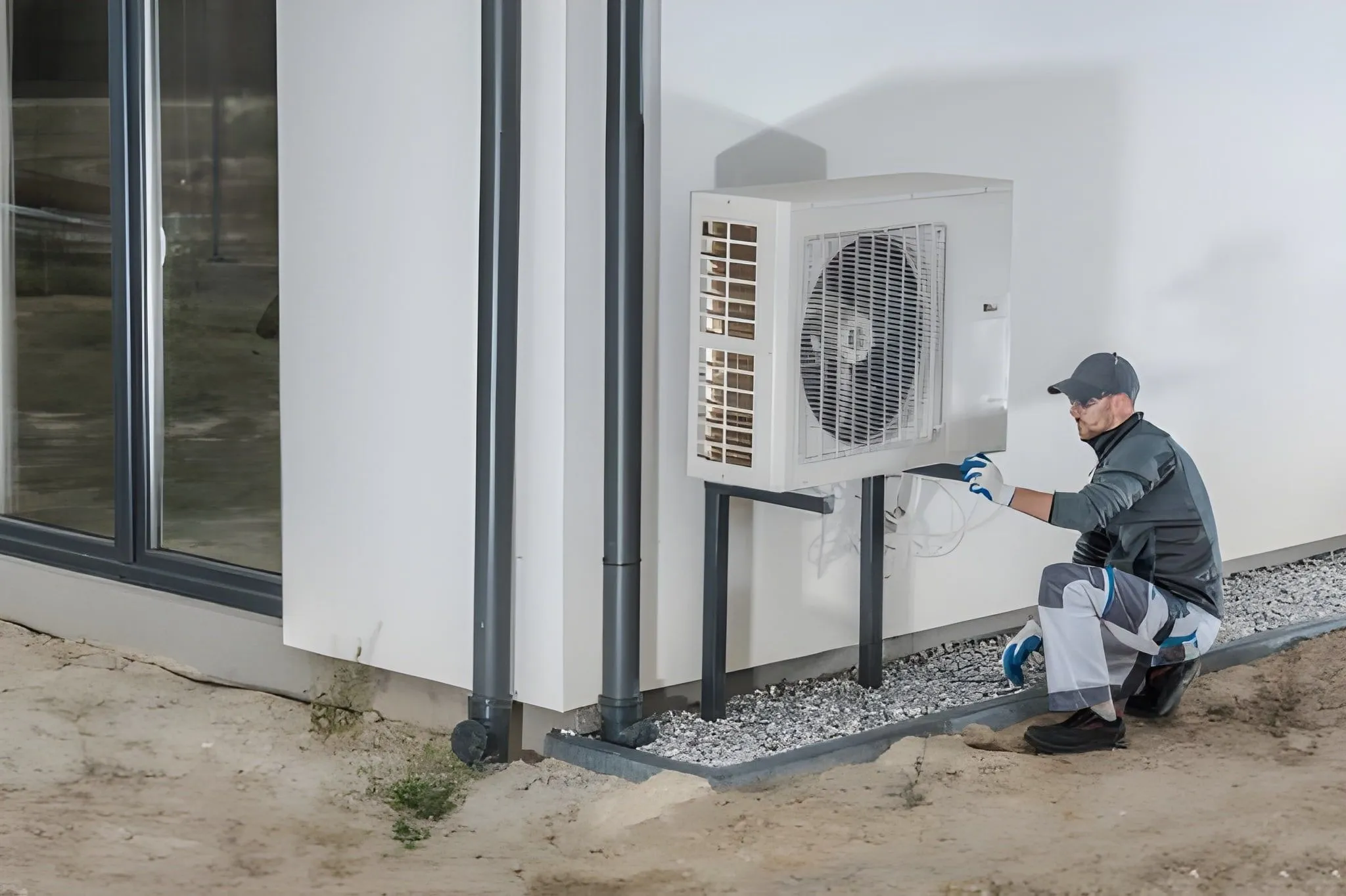
An in-depth heat pump tune-up service for Overbrook, KS from All Seasons Air Conditioning and Heating helps protect comfort, reduce energy use, and prevent mid-season breakdowns. Our technicians inspect outdoor and indoor units, clean filters and coils, verify refrigerant levels, calibrate thermostats, test safety controls, and inspect electrical components. The process includes step-by-step checks, documentation of findings, and recommendations for follow-up repairs if leaks or failing parts are found. Regular maintenance intervals and practical tips extend equipment life and improve efficiency, comfort, and reliability.
Heat Pump Tune-Up in Overbrook, KS
Keeping a heat pump tuned and running efficiently is one of the most effective ways to protect comfort, reduce energy bills, and avoid mid-season breakdowns in Overbrook, KS. With hot, humid summers and cold winters that put seasonal stress on equipment, a focused heat pump tune-up addresses common wear points and restores performance so your system runs reliably when you need it most.
Why a tune-up matters in Overbrook, KS
Overbrook homes face wide seasonal swings. Humid summers increase load on the outdoor unit and indoor coils, while freezing temperatures and frequent temperature cycling in winter stress defrost controls and compressors. Routine tune-ups:
- Prevent premature failures caused by debris, moisture, and thermal cycling
- Restore airflow and refrigerant balance for better efficiency
- Improve comfort consistency during Kansas heat waves and cold snaps
- Reduce energy use and utility costs by correcting common inefficiencies
Common heat pump issues in Overbrook, KS
Homeowners schedule tune-ups most often for these symptoms:
- Reduced heating or cooling capacity, with longer run times
- Rising energy bills despite consistent thermostat settings
- Short cycling or frequent on/off cycles
- Ice buildup on outdoor coil in winter or excessive frost/defrost activity
- Unusual noises from the outdoor unit or indoor air handler
- Uneven temperatures between rooms
Standard tune-up checklist
A professional heat pump tune-up focuses on the components that most affect safety, efficiency, and longevity. Typical checklist items include:
- Filter and coil cleaning — Replace or clean air filters; remove dust and debris from evaporator and condenser coils to restore heat transfer
- Refrigerant level check — Verify proper refrigerant charge and look for signs of leaks (recharge only if needed and after locating leak)
- Thermostat calibration — Confirm thermostat accuracy and correct settings for heat pump operation (including heat/cool balances and setback behavior)
- Safety control tests — Exercise and test safety switches, defrost controls, and time-delay devices
- Lubrication of moving parts — Lubricate fan motors and other applicable moving components to reduce wear and noise
- Airflow inspection — Measure airflow and inspect ductwork access points, registers, and return paths for obstructions
- Electrical inspections — Tighten connections, measure capacitor and compressor current draw, inspect contactors, and check breakers and fuses
What the tune-up process looks like
A thorough tune-up follows a logical diagnostic path:
Technicians will document findings and note any items requiring follow-up repair like refrigerant leaks, failing capacitors, or compressor issues.
Estimated service time
- Typical residential heat pump tune-up: 60 to 90 minutes
- Larger or dirty systems, or those with diagnostic complications: 2 to 3 hoursTime varies based on system accessibility, cleanliness, and whether additional repairs are identified during inspection.
Expected performance improvements and energy savings
After a complete tune-up you can expect:
- Noticeably steadier indoor temperatures and improved comfort distribution
- Reduced runtime for the same comfort level, which translates into energy savings
- Quieter operation and fewer short cycles
- Reduced risk of unexpected mid-season failures
Typical energy savings range from 10% to 20% for systems that were running below optimal. Savings can be higher for systems that were previously restricted by dirty coils, clogged filters, or improper refrigerant charge. Performance gains include better capacity (cooling/heating output), improved airflow, and more consistent thermostat response.
Common repairs identified during tune-ups and simple solutions
Tune-ups often reveal issues that are straightforward to resolve:
- Dirty coils or filters — cleaning or replacement restores efficiency
- Low refrigerant — requires leak detection and professional repair before recharge
- Failing capacitors or contactors — replacing these electrical components restores reliable starts and running
- Restricted airflow from blocked returns or closed registers — correcting airflow delivers immediate improvement
- Duct leaks or poor insulation — sealing and insulating ducts reduces energy loss and increases system effectiveness
All refrigerant work and certain electrical repairs should be completed by certified technicians to meet safety and regulatory requirements.
Recommended tune-up intervals for Overbrook homes
- Minimum: annual tune-up (preferably in early fall before the heating season)
- Optimal: two tune-ups per year — spring for cooling season preparation and fall for heating season preparationBecause Overbrook experiences both humid summers and freezing winters, a semi-annual schedule gives the best protection against seasonal stress and maximizes efficiency year-round.
Customer Testimonials
Service Areas