Heat Pump Service in Overbrook, KS
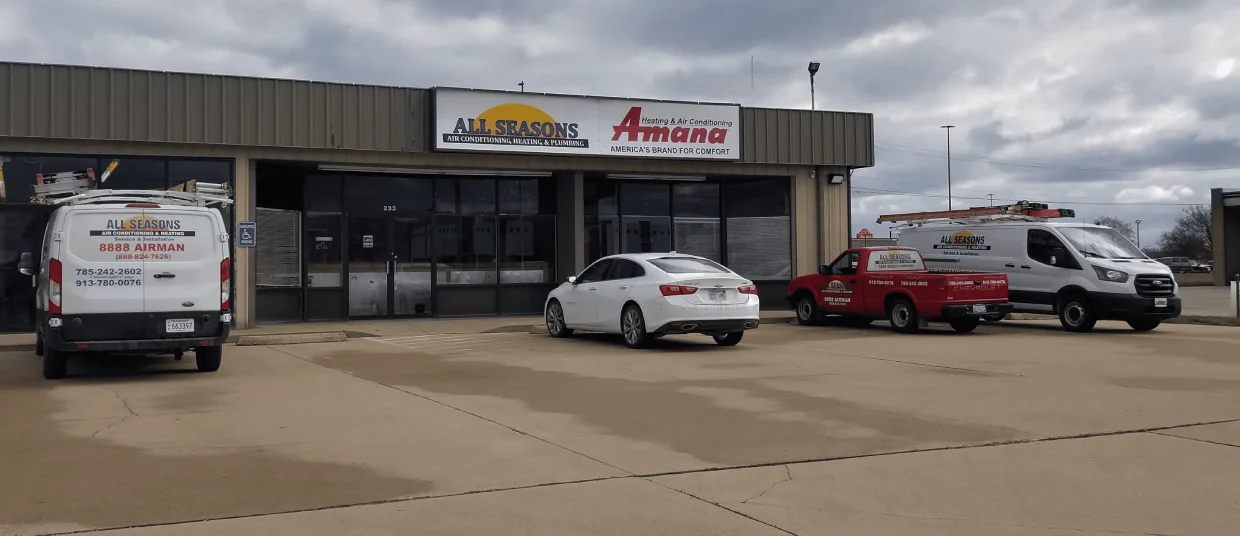
All Seasons Air Conditioning and Heating offers an overview of heat pump services in Overbrook, KS, including repair, installation, replacement, diagnostics, maintenance plans, and emergency response. We describe how service calls are scheduled, what a typical visit includes, pricing structure, technician qualifications, and customer service policies. We highlight timely service, common issues, and recommended maintenance, with clear expectations for diagnostics, options, and written estimates. We also describe preventive measures, equipment longevity, and how professional maintenance can improve comfort and energy efficiency year-round.
.webp)
Heat Pump Service in Overbrook, KS
A reliable heat pump keeps your Overbrook home comfortable year-round, handling both heating in winter and cooling in summer. When a unit underperforms, makes unusual noises, or causes rising energy bills, you need clear answers and fast, competent service. This page explains the full range of heat pump services available in Overbrook, KS—repair, installation, replacement, diagnostics, maintenance plans, and emergency response—how service calls are scheduled, what a typical visit includes, how pricing is structured, technician qualifications, and customer service policies.
Why timely heat pump service matters in Overbrook, KS
Overbrook experiences hot, humid summers and cold winters with occasional freezes. Those seasonal extremes increase wear on heat pumps and make issues more urgent. A failing defrost cycle in winter or poor cooling during a July heat wave can quickly affect comfort and safety. Timely diagnostics and maintenance protect system efficiency, extend equipment life, and reduce the chance of emergency breakdowns during peak seasons.
Common heat pump issues in Overbrook homes
- Insufficient heating or cooling — often due to refrigerant leaks, clogged filters, or compressor problems
- Frequent short cycling — caused by thermostat issues, oversized/undersized units, or airflow restrictions
- Noisy operation — loose components, failing fans, or worn motors
- Icing or defrost failures — common in colder months when the outdoor coil won’t defrost properly
- High energy bills — poor efficiency from dirty coils, low refrigerant, or failing components
- Electrical failures — capacitor, relay, or control board problems
Service types offered
- Diagnostics and troubleshooting — thorough inspection and testing to identify root cause
- Repairs — component replacement, refrigerant repairs, electrical fixes, fan and motor service
- Installation of new systems — load calculations, ductwork evaluation, and full-system installation
- System replacement — upgrade recommendations when repairs are not cost-effective
- Preventive maintenance plans — scheduled tune-ups, seasonal checkups, and priority scheduling
- Emergency response — rapid dispatch for after-hours failures during extreme weather
How service calls are scheduled
Service appointments are typically arranged by phone or online scheduling tools with options for same-day or next-day visits depending on availability and urgency. During scheduling you’ll be asked for:
- Location and best contact information
- A description of the problem and any recent system history
- Preferred time window and access details for the technician
Technicians arrive within the agreed window, perform an initial walk-through to confirm symptoms, and begin diagnostics.
Diagnostic process — what to expect
Diagnostics prioritize identifying the root cause rather than treating symptoms, so repairs address the problem long-term.
Typical service deliverables during a visit
- Clean and replace or advise on air filters
- Clean coils and condensate drains if accessible
- Tighten electrical connections and check capacitors and relays
- Check refrigerant levels and inspect for leaks
- Test thermostats, controls, and safety devices
- Provide a written summary of findings, recommended repairs or replacements, and an estimate for work
Repair, installation, and replacement explained
- Repairs focus on restoring original operation—common repairs include compressor work, refrigerant recharge, motor replacement, and control board repairs. Repairs are chosen when they restore expected life and efficiency.
- Installation includes a system sizing assessment (Manual J load calculation), ductwork evaluation, equipment selection to match home needs, and professional installation following manufacturer and local code requirements. Proper sizing and installation are critical to efficiency and longevity.
- Replacement is recommended when recurring failures, age (typically beyond expected service life), or poor efficiency make repairs uneconomical. Replacement options include higher-efficiency units, models better matched to Overbrook climate, and equipment with improved controls for better humidity management.
Maintenance plans and seasonal care
Maintenance plans are structured to reduce breakdown risk and preserve efficiency. Typical plan features:
- Scheduled seasonal tune-ups (spring and fall)
- Priority scheduling during peak seasons
- Reduced diagnostic fees for plan members
- Detailed maintenance checklist completion and service records
- Recommendations for filter replacement frequency and duct cleaning intervals
Routine maintenance in Overbrook should emphasize defrost cycle checks before winter and refrigerant/coil inspections before summer.
Emergency response
Emergency service prioritizes safety and minimizing downtime. Emergency calls are triaged by severity and dispatched to on-call technicians. Typical emergency responses include temporary fixes to restore heating or cooling quickly and follow-up scheduling for permanent repair when needed.
Pricing structure (transparent, estimate-based)
Pricing follows a transparent, estimate-driven model:
- Diagnostic fee or flat-fee inspection covers the time and testing required to determine the issue. This fee is often applied toward the cost of repairs if authorized.
- Itemized estimates are provided before work begins, separating parts, labor, and any required permits or additional materials.
- Standardized labor rates and parts pricing are explained upfront so homeowners understand cost drivers.
- Options for repair versus replacement are presented with life-expectancy and efficiency trade-offs to help make an informed decision.
No surprises: recommended work is only performed after approval and documented in a clear written estimate.
Technician qualifications and customer service policies
Technicians are certified and trained in modern heat pump systems, refrigerant handling, electrical safety, and manufacturer-specific installation procedures. Qualifications typically include:
- EPA refrigerant certification
- Manufacturer training on major equipment brands
- Ongoing continuing education on controls and efficiency best practices
Customer service policies emphasize clear communication, respect for property (drop cloths, shoe covers), detailed service reports, and documented warranties for parts and labor consistent with industry standards.
Customer Testimonials
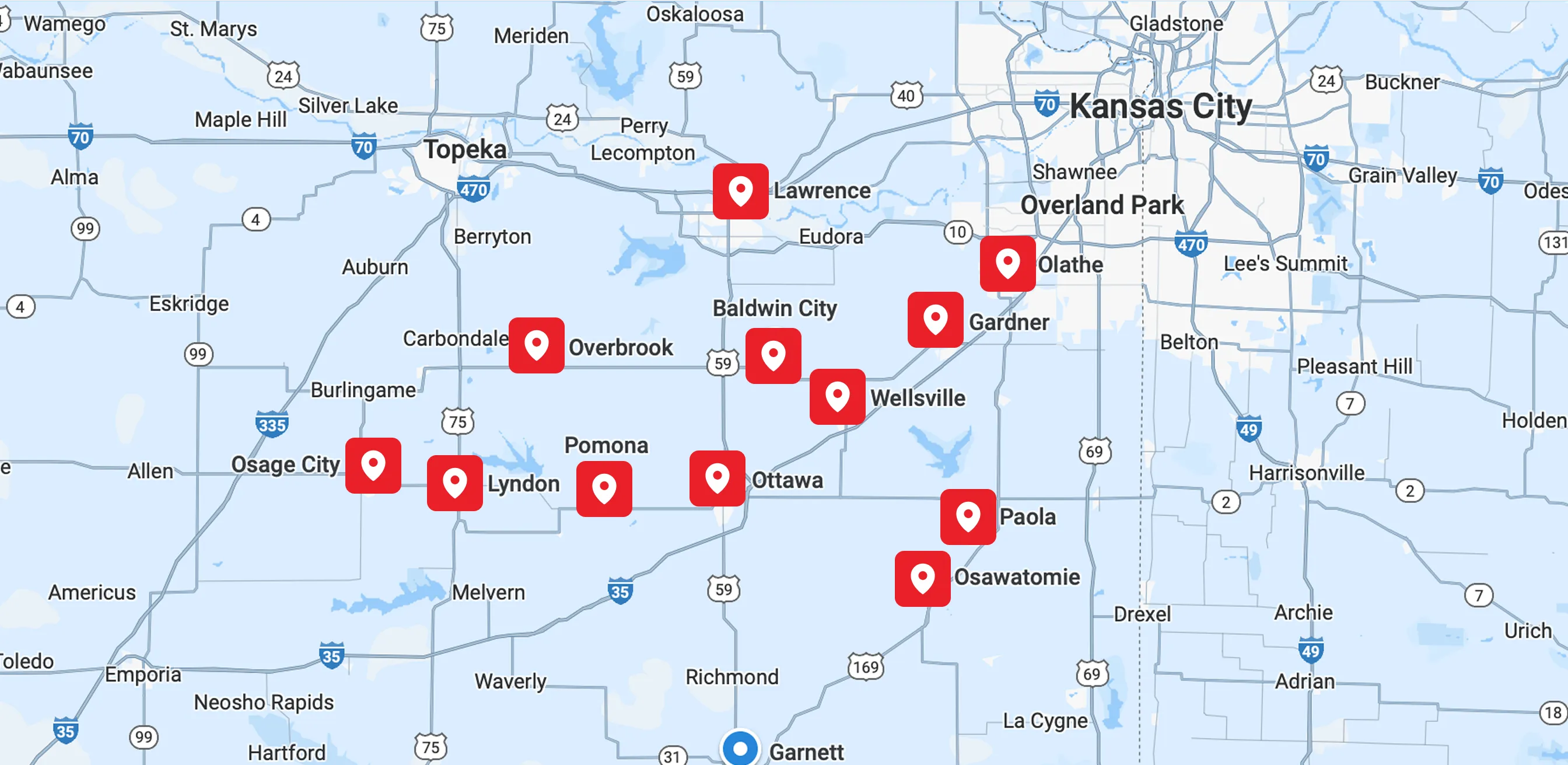
Service Areas