Heat Pump Repair in Overbrook, KS
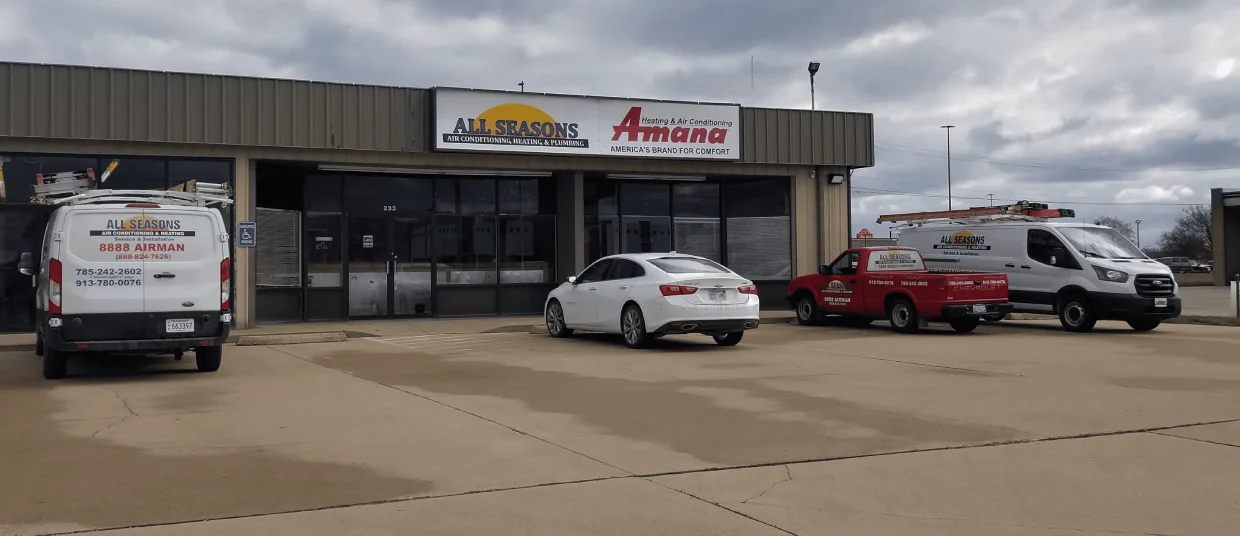
Heat pump repair services in Overbrook, KS from All Seasons Air Conditioning and Heating diagnose and fix performance issues quickly to restore reliable heating and cooling for local homes. We describe common failure symptoms, a step-by-step diagnostic process, and typical repairs such as refrigerant repair, compressor work, electrical components, and control calibration. We also cover repair timelines, emergency service availability, warranty considerations, and preventive maintenance tips tailored to Overbrook's climate, helping homeowners reduce breakdowns and extend system life. Trustworthy diagnostics and skilled repairs ensure comfort year-round.
Heat Pump Repair in Overbrook, KS
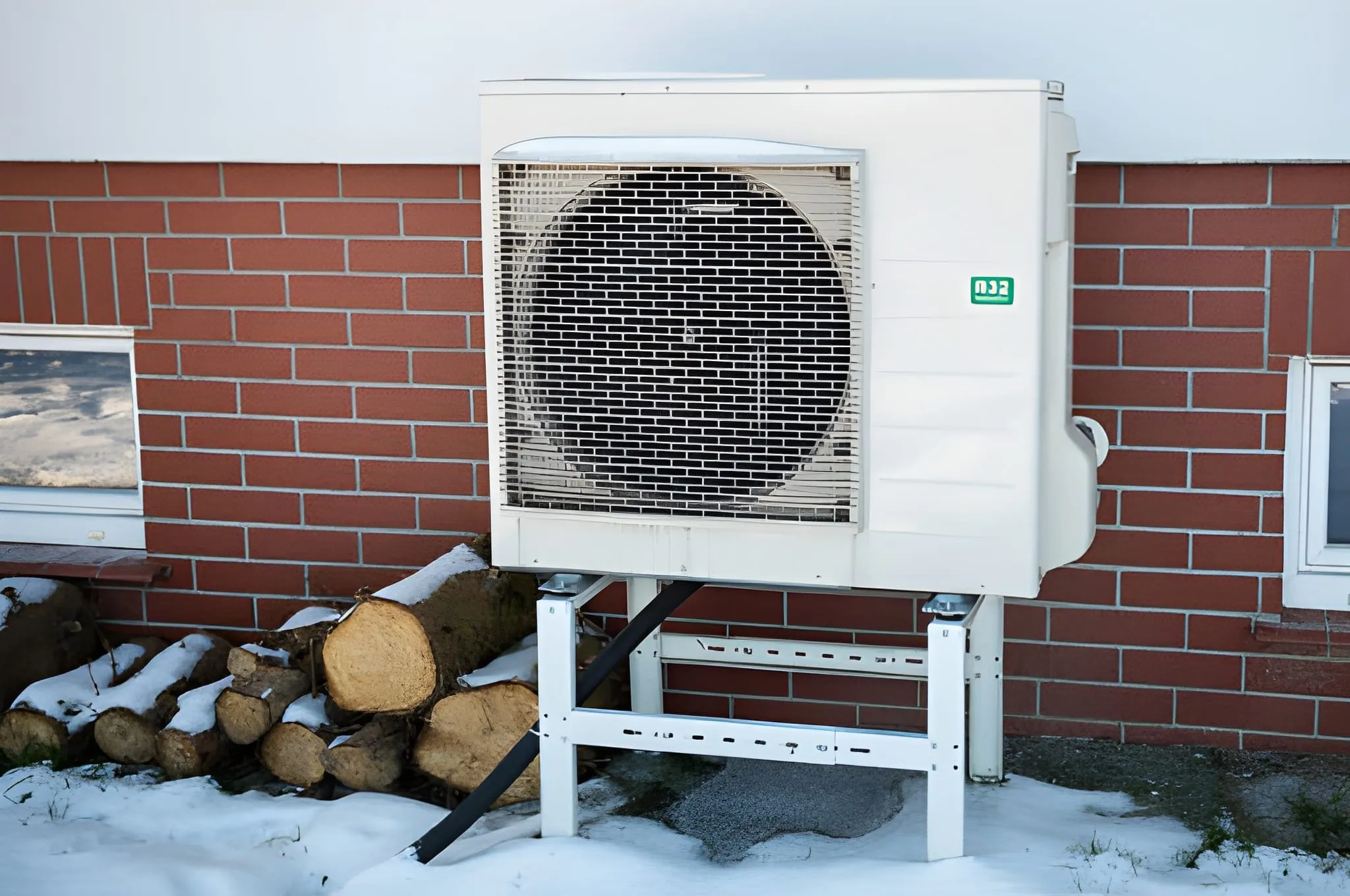
When your heat pump underperforms or stops working, it affects comfort, safety, and energy bills. Heat pump repair in Overbrook, KS focuses on diagnosing the real cause quickly and restoring reliable heating and cooling in local homes. Overbrook’s cold winters and humid, hot summers expose heat pumps to freeze-thaw cycles, pollen buildup, and seasonal load stress—making timely, expert repair important to avoid recurring failures.
Common heat pump failure symptoms in Overbrook, KS
Recognizing symptoms early helps prevent more costly damage. Common signs homeowners report in Overbrook include:
- No heat or no cooling: Unit runs but indoor temperature does not change, or output air is only slightly warm/cool.
- Short-cycling: Unit turns on and off frequently, which increases wear and spikes energy use.
- Strange noises: Grinding, clanking, hissing, or loud rattling from the outdoor unit or indoor air handler.
- Refrigerant leaks: Ice on the evaporator coil, oily residue around lines, or noticeably reduced cooling capacity.
- Poor airflow: Weak vents often caused by clogged filters, failing blower motors, or duct problems.
- Electrical tripping: Breakers that trip repeatedly or the unit refuses to start due to control or safety faults.
- Thermostat or control failures: Inconsistent operation tied to thermostats, sensors, or control boards.
These symptoms may be seasonal or sudden. In Overbrook, freeze-related compressor issues and pollen-clogged outdoor coils are particularly common.
Step-by-step diagnostic process
A systematic diagnostic process isolates the root cause without unnecessary parts replacement. Typical steps include:
- Check outdoor unit condition, coils, fan, and line-set for visible damage, debris, or refrigerant oil.
- Inspect indoor air handler, filters, drains, and duct connections.
- Verify thermostat settings and temperature differentials.
- Confirm electrical supply, breaker condition, fuses, and line voltages.
- Measure refrigerant pressures and superheat/subcooling to identify leaks or incorrect charge.
- Test capacitors, contactors, motors, and compressors with appropriate meters.
- Inspect reversing valve operation for heat/cool switching faults.
- Check filter condition, blower motor current draw, and static pressure in ductwork.
- Use electronic leak detectors or dye when refrigerant loss is suspected.
- Verify safety devices, defrost controls, and condensate drain operation.
Diagnostics in Overbrook often include winter-specific checks for defrost timing and freeze protection to prevent ice accumulation on outdoor units.
Repairs, replacement parts, and labor explained
Once the cause is identified, repairs are scoped to restore reliable operation. Typical repairs include:
- Refrigerant leak repair and recharge: Locating leaks, repairing line-set or coil damage, evacuation, and accurate refrigerant charging.
- Compressor repair or replacement: Replacing a failed compressor or addressing electrical faults that prevent it from starting.
- Replacing electrical components: Capacitors, contactors, relays, and control boards are commonly replaced to restore dependable starts and switching.
- Fan and motor replacement: Outdoor fan motors or indoor blower motors may need replacement when noisy or failing.
- Reversing valve and expansion device repair: Fixes for units that will not switch between heating and cooling or that have flow issues.
- Coil cleaning and fin repair: Restores heat transfer efficiency degraded by pollen, dust, or physical damage.
- Thermostat, sensor, or control calibration: Ensures accurate temperature control and prevents unnecessary cycling.
Labor includes safe recovery of refrigerant (when required), system evacuation, vacuum testing, leak repair, reassembly, electrical troubleshooting, and system performance testing. For many Overbrook homes, reaching the outdoor unit through vegetation or ice removal can add time to site work.
Typical repair timelines and cost factors
Repair timelines vary by diagnosis complexity and parts availability. Typical timelines:
- Minor electrical or control fixes: Same day to 24 hours.
- Refrigerant leak location and repair: 24–72 hours depending on leak accessibility and parts.
- Major component replacement (compressor, reversing valve): 1–3 days including parts sourcing.
- Coil or large assembly replacements: 2–4 days for ordering and installation.
Factors that influence time and repair cost include model availability, age of the system, accessibility (outdoor unit location, ice/vegetation), severity of component damage, and whether the system requires refrigerant matching or retrofit. Older or discontinued heat pump models may require longer lead times or alternative parts solutions. This guidance helps set expectations without specific pricing figures.
Emergency repair availability and warranty considerations
Emergency heat pump repair services are available in Overbrook for situations that pose comfort or safety risks—loss of heating in winter, heat events in summer, or electrical hazards. Emergency responses prioritize restoring heating or preventing further equipment damage.
Warranty and parts information to verify before repair:
- Manufacturer parts warranty: Many manufacturers cover specific components for a known period; check model serial numbers and warranty terms.
- Compressor and sealed-system warranties: Often separate from parts warranties and may have specific requirements for approved repair techniques.
- Aftermarket or third-party parts: These may have different warranty lengths; documentation should be provided at time of repair.
- Labor warranties: Typical labor coverage times vary—confirm what is offered for the repair work.
Documenting model and serial numbers before repair helps determine remaining manufacturer coverage. For sealed-system work, proper refrigerant handling records and evacuation logs are important for warranty compliance and future service history.
Preventive tips to reduce future breakdowns in Overbrook homes
Simple maintenance reduces emergency repairs and extends equipment life—especially important with Overbrook’s seasonal extremes:
- Change or clean filters every 1–3 months during peak use seasons to maintain airflow.
- Keep outdoor unit clear of vegetation, leaves, and snow; maintain at least two feet of clearance.
- Schedule annual professional tune-ups in spring and fall to test defrost controls, refrigerant charge, safety switches, and electrical components.
- Insulate exposed refrigerant lines and check for damage after winter freezes.
- Install a programmable or smart thermostat calibrated to your system to reduce short-cycling and improve comfort.
- Ensure proper drainage of condensate lines to prevent secondary water damage and mold.
Customer Testimonials
Service Areas