Heat Pump Replacement in Olathe, KS
Heat pump replacement in Olathe, KS is explained by All Seasons Air Conditioning and Heating as a structured decision between repair and full system replacement. We describe life expectancy, cost comparisons, energy efficiency gains, and when to escalate to replacement. We cover how technicians evaluate existing equipment, perform load calculations, and select appropriately sized, efficient models. We detail installation steps, removal and disposal, financing options, local rebates, and warranties, with a realistic project timeline. Our goal is to deliver year-round comfort, long-term savings, and dependable performance for local homes.
Heat Pump Replacement in Olathe, KS
A properly sized, modern heat pump keeps your home comfortable year-round while controlling energy costs and humidity. For homeowners in Olathe, KS, where hot, humid summers and cold winters place wide demands on HVAC systems, deciding between repair and heat pump replacement is a key long-term decision. This page explains when replacement is recommended versus repair, how technicians evaluate existing equipment, the most energy-efficient options available, sizing and load calculations, lifecycle cost comparisons, installation scope, removal and disposal, typical financing and local rebates, expected efficiency improvements and warranties, and a realistic timeline for a replacement project.
When to Replace vs Repair
Knowing when to replace your heat pump can save money and avoid repeated failures.
- Age and expected life: Most air-source heat pumps last 10 to 15 years. Units older than 12 years are often better candidates for replacement, especially if they show declining performance.
- Repair cost rule of thumb: If a single repair approaches or exceeds 50% of the cost of a new system, replacement is usually the smarter choice for long-term value.
- Frequency of breakdowns: Repeated repairs in short succession indicate underlying wear and inefficiency.
- Efficiency decline and comfort issues: Rising energy bills, poor dehumidification in Olathe’s humid summers, uneven heating, or inability to meet temperature setpoints in winter suggest replacement.
- Environmental and regulatory concerns: Older units may use phased-out refrigerants, making repairs expensive or impractical.
How Technicians Evaluate Your Existing Equipment
A thorough evaluation determines whether replacement is necessary and what size and type of new system you need.
- Visual inspection: Age, rust, coil condition, and signs of refrigerant leaks.
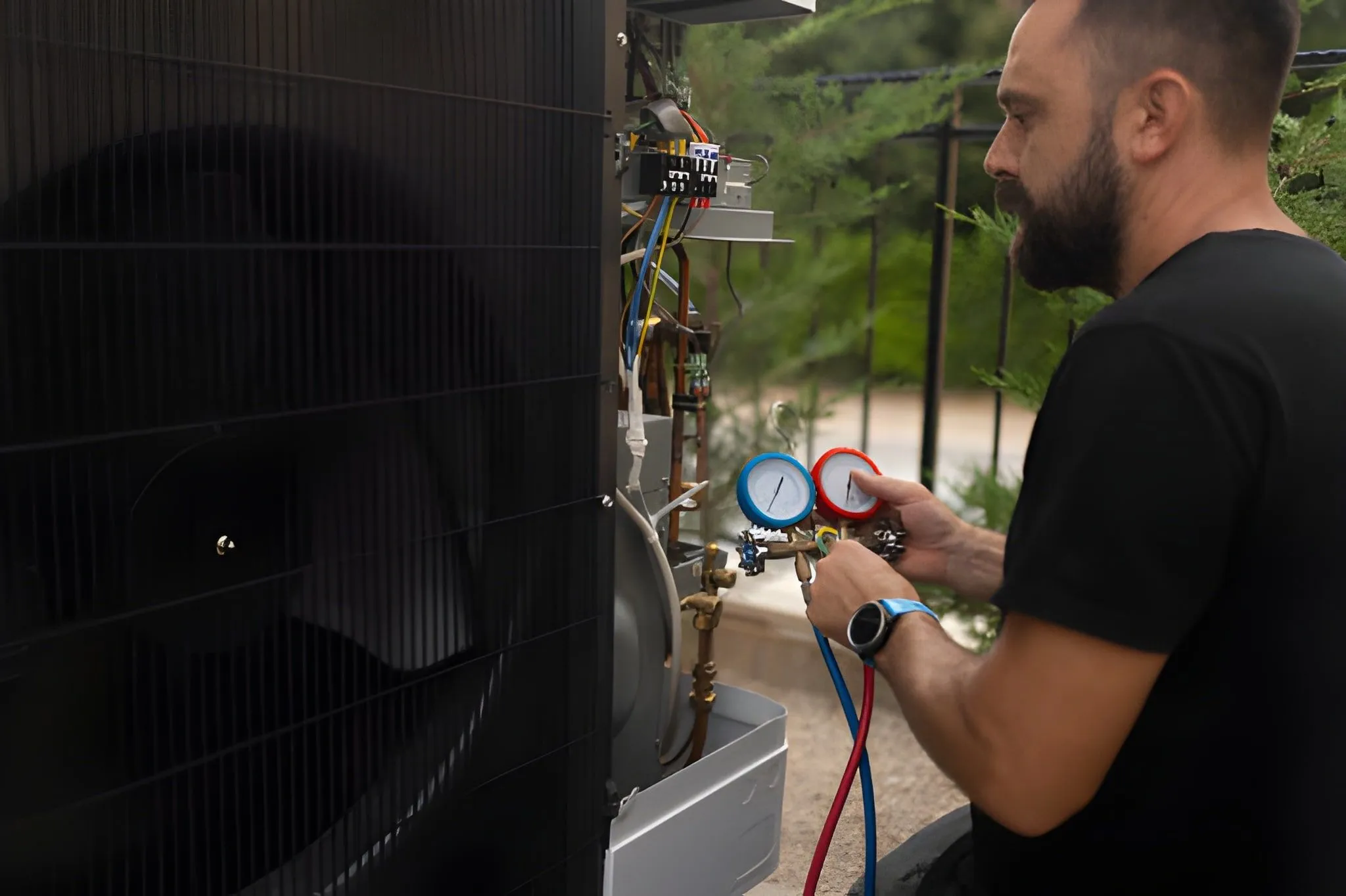
- Performance testing: Measuring refrigerant pressures, superheat/subcooling, airflow, and temperature differentials across coils.
- Electrical and safety checks: Compressor starting current, capacitor condition, contactors, and control wiring.
- Ductwork assessment: Leakage, insulation quality, and distribution effectiveness—critical in Olathe homes where older ducts may be undersized or leaky.
- Energy and comfort audit: Reviewing past energy bills, thermostat settings, insulation levels, and site shading.
- Load calculation review: Technicians perform a Manual J heat load calculation to size equipment correctly and a Manual S to select appropriate models.
Energy-Efficient Heat Pump Options for Olathe
Choosing the right technology impacts performance through hot summers and cold winters.
- Cold-climate air-source heat pumps: Designed to provide strong heating at low outdoor temperatures common in Kansas winters.
- Variable-speed inverter units: Improve efficiency, reduce short cycling, and provide better humidity control during humid Olathe summers.
- Ductless mini-splits: Good option for room additions, older homes without ductwork, or supplemental heating and cooling.
- Dual-fuel systems: Pair a heat pump with a gas furnace for peak efficiency and reliability when temperatures drop very low.
- Efficiency metrics to watch: SEER2 and HSPF2 ratings (higher is better) and ENERGY STAR-certified models.
Sizing and Load Calculations
Correct sizing protects comfort and system life.
- Manual J load calculation: Considers square footage, insulation, window types, orientation, occupancy, and local climate data for Olathe.
- Ductwork and airflow considerations: A right-sized unit on poor ducts will still underperform; addressing duct leakage and insulation is often part of replacement.
- Oversizing risks: Leads to short cycling, poor humidity control, and increased wear.
- Zoning and thermostat selection: Multi-zone systems and smart thermostats can improve comfort and efficiency for varied household needs.
Comparing Lifecycle Costs
Compare upfront price against operating costs over the expected service life.
- Upfront vs operating cost: Higher-efficiency models cost more initially but reduce electricity bills. Typical savings replacing an older 10-12 SEER unit with a modern 16–20+ SEER unit can reduce cooling/heating bills by 20 to 40%, depending on usage and electricity rates.
- Payback period: Varies with local electricity costs, usage patterns, and incentives. Cold-climate models may deliver faster payback in Olathe due to winter heating demand.
- Long-term maintenance: New systems often require less frequent major repairs; factoring expected maintenance over 10–15 years clarifies the total cost of ownership.
Installation Scope and What to Expect
A professional replacement includes multiple coordinated steps to ensure performance and code compliance.
- Pre-installation inspection and permit review: Site assessment, electrical capacity check, and required permits.
- Removal of old unit: Safe refrigerant recovery in compliance with EPA rules and disconnection of electrical and duct connections.
- Ductwork modifications and sealing: Improve air distribution and efficiency where necessary.
- Electrical upgrades: Dedicated circuits or panel upgrades may be required for modern heat pumps.
- Refrigerant charge and startup: Proper refrigerant charging, system evacuation, and manufacturer-recommended startup and commissioning procedures.
- Testing, balancing, and homeowner orientation: Confirming system operation, airflow, and thermostat configuration; basic user guidance on settings and maintenance.
Removal and Disposal of Old Units
Proper disposal protects the environment and meets regulations.
- Refrigerant recovery: Certified technicians recover and dispose of refrigerants per federal and state rules.
- Recycling and metal disposal: Outdoor compressors and coil assemblies are typically recycled for scrap metal.
- Documentation: Records of refrigerant recovery and disposal are often provided for compliance and warranty records.
Financing, Local Rebates, and Incentives
Replacing with an energy-efficient model is often more affordable with available programs.
- Local utility rebates and incentives: Olathe homeowners may qualify for regional utility rebates, state incentives, or seasonal programs for high-efficiency heat pumps and heat-pump water heaters.
- Federal incentives: Periodic federal tax credits for qualifying energy-efficient equipment may be available; check current program eligibility.
- Financing options: Many homeowners use equipment financing or energy loan programs to spread upfront costs and accelerate replacement decisions.
Expected Efficiency Improvements and Warranty Options
What a homeowner in Olathe can reasonably expect.
- Efficiency gains: Replacing a 10–12 SEER unit with a modern 16–20+ SEER inverter heat pump typically yields 20–40% lower energy use for cooling and comparable improvements in heating performance with cold-climate models.
- Improved comfort: Better humidity control, more consistent temperatures, and quieter operation.
- Typical warranties: Compressors commonly carry 5 to 10-year warranties; some manufacturers offer extended compressor or parts warranties when systems are registered and installed by certified technicians. Labor warranties vary by installer.
Typical Timeline for a Replacement Project
Timing depends on system complexity and permitting.
- Simple like-for-like replacements: Often completed in 1 to 2 days once parts and permits are in place.
- More complex installations (ductwork, electrical upgrades, zoning): Usually 2 to 5 days on site, plus any permit wait times.
- Planning phase: Allow additional days or weeks for load calculations, equipment selection, scheduling, and rebate processing.
Customer Testimonials
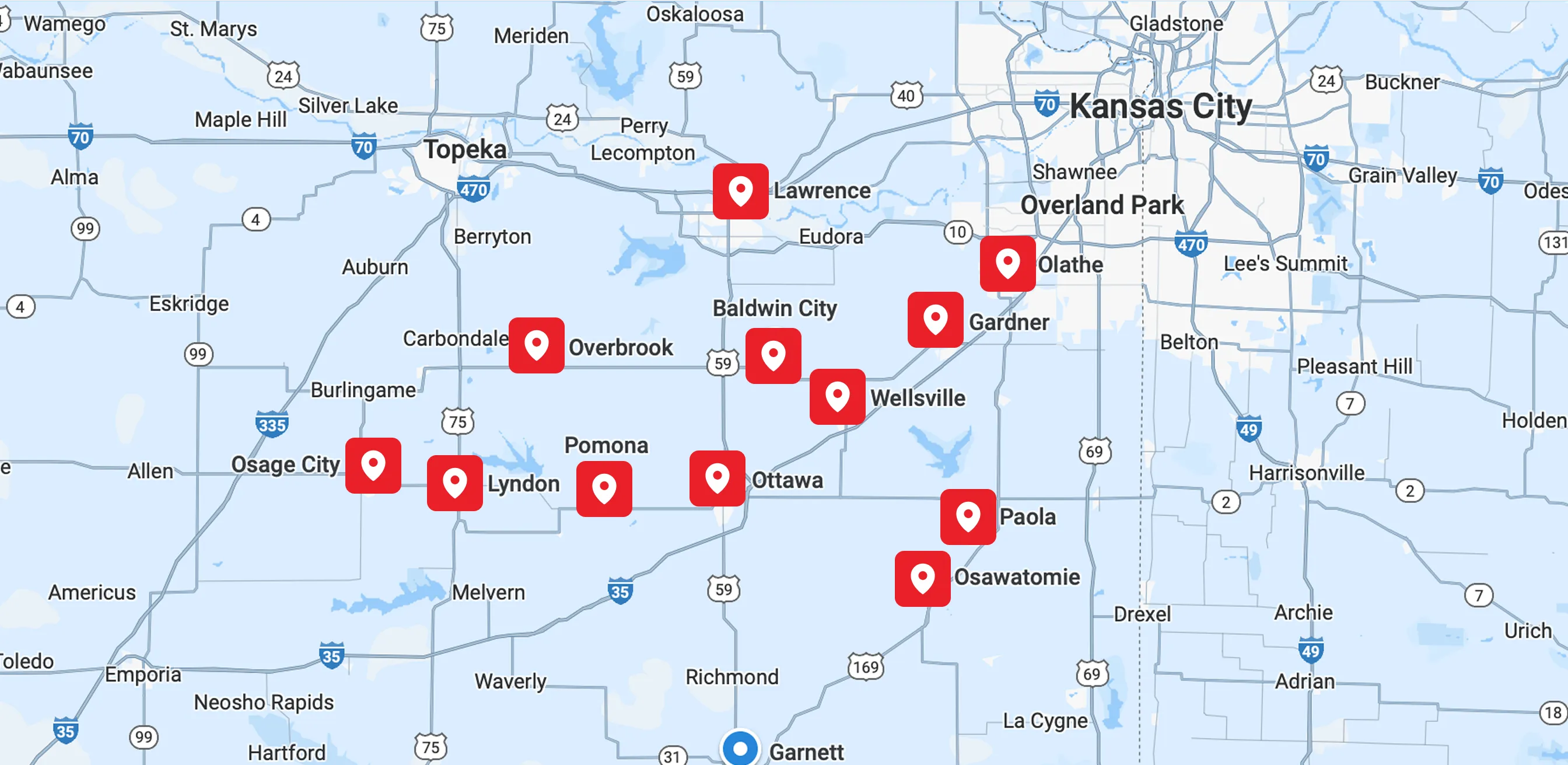
Service Areas