HVAC Maintenance in Princeton, KS
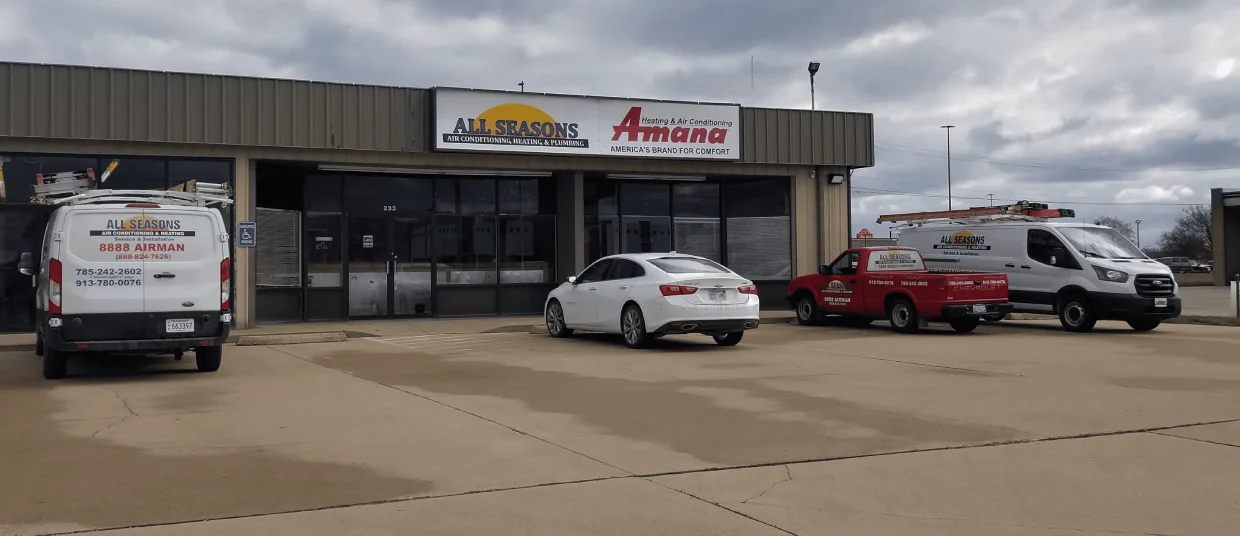
Keeping your heating and cooling systems tuned up and safe is absolutely essential in Princeton, KS. Our hot, humid summers and cold winters put heavy seasonal stress on HVAC equipment. Regular preventative care from All Seasons Air Conditioning & Heating protects your comfort, lowers operating costs, and significantly reduces the chance of emergency breakdowns. Homeowners and business owners who prioritize maintenance avoid the inconvenience of unexpected failures and truly get the best possible lifespan from their systems.
.jpeg)
Why routine HVAC maintenance matters in Princeton, KS
Princeton sits in a region with large temperature swings, high summer humidity, and dust and pollen from surrounding agricultural areas. Those local conditions make HVAC components work harder and cause faster buildup on coils, filters, and ductwork. Regular maintenance addresses these issues before they reduce efficiency or cause component failure. For commercial properties and high-usage homes, scheduled attention also helps maintain consistent indoor air quality and keeps equipment operating safely during peak loads.
Residential and commercial maintenance programs
All Seasons Air Conditioning & Heating offers structured maintenance clubs designed for both residential and commercial needs.
Residential maintenance club features:
- Priority scheduling for members during busy seasonal periods
- Discounted labor and parts on covered services
- Two scheduled visits per year timed for optimal performance (spring AC check and fall heating check)
- Routine filter replacement (standard 1-inch filters included; options for thicker filters available)
- Multi-point safety and performance inspections during each visit
Commercial maintenance options:
- Flexible schedules: quarterly or semi-annual service intervals depending on system size and building occupancy
- Scopes that can include rooftop units, split systems, and refrigeration equipment
- Customized filter programs, refrigerant monitoring, and uptime-focused inspections
- Priority response and reduced downtime strategies for businesses with critical climate control needs
What a maintenance visit includes
Each service visit follows a consistent checklist to verify safe, efficient operation and to catch developing problems early. Typical tasks include:
- Visual inspection of system components, panels, and mounting
- Safety checks for gas furnaces: combustion, venting, and safety controls
- Electrical inspection: tighten connections, test capacitors and contactors
- Refrigeration system checks: measure pressures, inspect for leaks, and confirm correct charge
- Clean evaporator and condenser coils when accessible to restore heat transfer
- Condensate drain inspection and cleaning to prevent clogs and water damage
- Blower and motor inspection and cleaning; lubricate bearings where applicable
- Thermostat calibration and temperature split verification to ensure proper control
- Filter replacement and recommendations for upgraded filtration if indoor air quality is a concern
- Documentation of findings and prioritized recommendations for repairs or upgrades
Technicians use industry-standard diagnostic steps but explain results in plain language so you understand what was found and why any recommended repairs matter.
Common problems found during maintenance in Princeton
- Reduced airflow from clogged filters or dirty blower assemblies
- Refrigerant loss or leaks that reduce cooling capacity in summer
- Corroded or clogged coils from dust and agricultural particles
- Condensate drain clogs leading to water overflow and secondary water damage
- Unsafe furnace operations caused by cracked heat exchangers or improper venting
- Electrical wear and failing components that increase fire risk or lead to sudden shutdowns
Identifying these issues early through scheduled visits avoids more expensive repairs and downtime later.
How maintenance extends equipment life and improves efficiency
Well-maintained systems run cooler, draw less current, and operate with lower stress on mechanical and electrical parts. Benefits include:
- Improved energy efficiency: clean coils, proper refrigerant charge, and correct airflow reduce energy use and stabilize comfort
- Extended equipment life: routine lubrication, cleaning, and adjustments prevent premature wear
- Fewer emergency repairs: catch failing components before they cause system-wide breakdowns
- Better indoor air quality: clean filters and coils reduce dust, pollen, and microbial growth
- Warranty protection: many manufacturers require documented routine maintenance to keep warranties valid
For Princeton properties, protecting equipment against humidity-related corrosion and dust/insect intrusion is especially important for preserving long-term performance.
Recommended visit frequency
- Residential: Two visits per year—spring for AC prep and late fall for heating inspection. Homes with heavy usage, pets, or high dust loads may benefit from more frequent filter changes.
- Commercial: Quarterly or semi-annual options depending on system complexity, occupancy, and hours of operation. High-demand sites or facilities with critical temperature control should consider quarterly visits.
Technicians can tailor schedules based on building size, system age, and local environmental factors.
What to expect after a maintenance visit
After service, you will receive a clear summary of what was inspected, any adjustments made, and recommended next steps. Routine maintenance often uncovers minor items that are inexpensive to fix but could become major failures if left unaddressed. Prioritized repair recommendations help plan budgets and reduce the likelihood of surprise outages.
Practical tips for Princeton property owners
- Replace standard filters more often during peak pollen and harvest seasons.
- Keep outdoor condenser units clear of vegetation and debris to maintain airflow.
- Seal drafty duct connections and insulate accessible ducts in unconditioned spaces to reduce workload.
- Consider upgrading filtration if family members have allergies or if indoor air quality is a priority.
- Track maintenance dates and keep documentation to support warranty requirements.
Frequently scheduled maintenance saves money over time and helps systems deliver reliable comfort year round.
FAQs
How often should I schedule HVAC maintenance?
A: Most homes need two visits per year—spring for cooling and fall for heating. Commercial systems typically need quarterly or semi-annual service depending on usage.
What does a residential maintenance visit cover?
A: A standard visit includes safety and performance inspections, filter changes, coil and drain checks, electrical inspections, thermostat verification, and lubrication as needed.
Will maintenance reduce my energy bills?
A: Yes. Properly tuned systems run more efficiently, which often lowers energy consumption and stabilizes indoor temperatures.
Do older systems still benefit from maintenance?
A: Absolutely. Older equipment sees measurable improvements in safety and reliability with routine care, and maintenance can extend useful life while reducing emergency repairs.
Does maintenance affect manufacturer warranties?
A: Many manufacturers require documented routine maintenance to keep warranties valid. Regular service helps meet those requirements.
Can commercial maintenance schedules be customized?
A: Yes. Commercial plans are designed around building occupancy, equipment type, critical needs, and budget, with options for quarterly or semi-annual visits.
Customer Testimonials
Service Areas