Ventilation in Osawatomie, KS
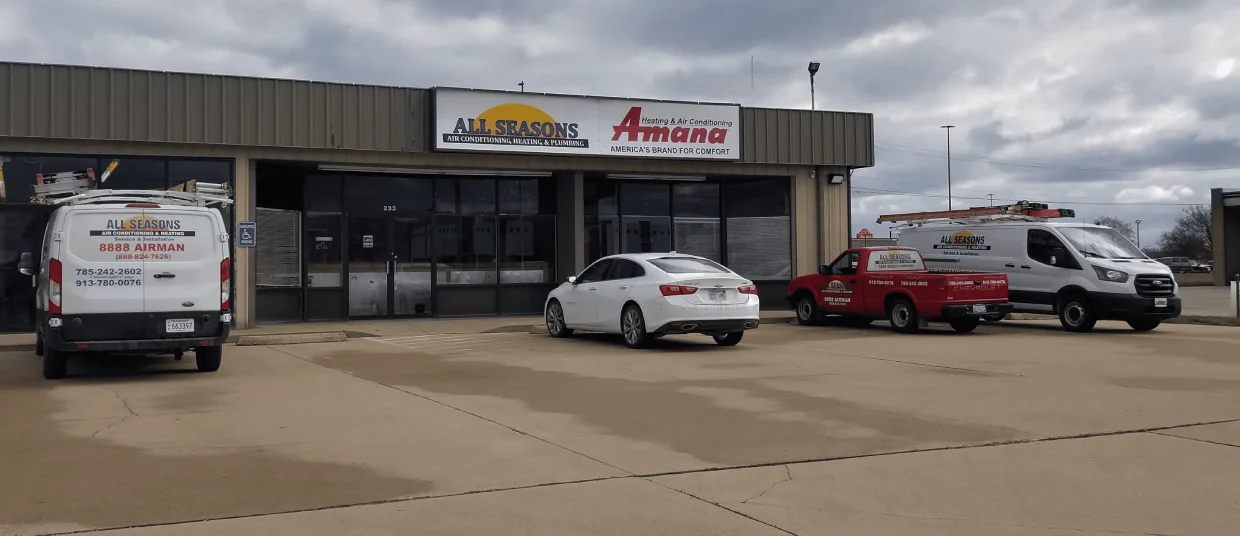
Ventilation services in Osawatomie, KS, offered by All Seasons Air Conditioning and Heating, provide professional diagnosis, installation, and commissioning of residential and light commercial systems. We outline common problems such as high humidity during summer, condensation in winter, stale air, and dust intrusion, and explain how our diagnostic tests, thorough duct inspections, and pressure balancing achieve healthier indoor environments. We also describe various system types (exhaust, supply, ERV/HRV, and positive-pressure options), adhere to strict installation standards, detail our commissioning steps, cover essential maintenance tasks, and explain how balanced, efficient ventilation truly improves comfort, air quality, and energy efficiency for local buildings.
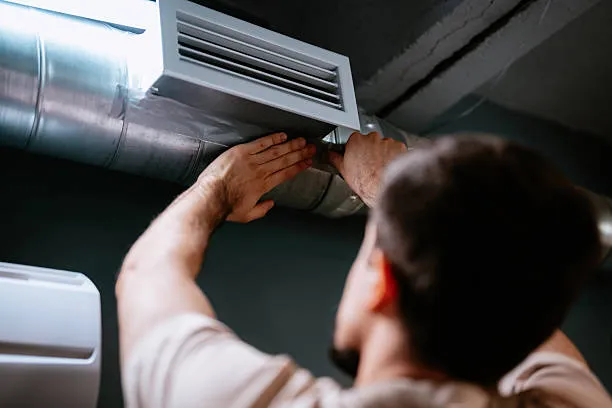
Ventilation in Osawatomie, KS
Poor ventilation is one of the most common causes of indoor comfort and air-quality problems in Osawatomie, KS. With hot, humid summers, cold winters, and seasonal pollen from surrounding farmland and river corridors, homes and light-commercial buildings in the area need controlled fresh-air exchange to manage humidity, limit pollutants, and protect finished surfaces. This page explains how professional residential and light-commercial ventilation services diagnose problems, recommend and install mechanical systems, commission performance, and keep systems running efficiently and code-compliant.
Common ventilation problems in Osawatomie, KS
- High indoor humidity in summer — leads to mold, mildew, musty odors, and discomfort.
- Condensation and ice in winter — poor ventilation combined with tight building envelopes can cause window and wall condensation.
- Stale air and odors — cooking, pets, and VOCs concentrate without adequate fresh air.
- Allergens and dust — pollen and agricultural dust penetrate older homes and businesses.
- Combustion appliance backdrafting — negative pressure from exhaust-only systems can pull combustion gases into living spaces.
- Uneven airflow and stale zones — some rooms feel stuffy while others are fine, indicating imbalance or inadequate distribution.
Types of mechanical ventilation systems we evaluate and recommend
- Exhaust ventilation — simple fan systems that expel indoor air (bathroom and kitchen exhaust). Best for low-cost solutions but can create negative pressure; typically used with makeup air strategies.
- Supply ventilation — dedicated fresh-air blower introduces filtered outside air, often with passive exhaust routes. Good for pressurizing buildings to reduce infiltration of dust and pollen.
- Balanced ventilation (ERV / HRV) — Balanced systems bring in and exhaust equal volumes of air.
- HRV (Heat Recovery Ventilator) transfers heat only and is useful when humidity control is not a primary concern.
- ERV (Energy Recovery Ventilator) transfers both heat and a portion of moisture, helping manage Osawatomie’s humid summers and cold, dry winters while saving energy.
- Ducted or inline positive pressure systems — useful for light-commercial spaces where distribution to multiple zones is required.
- Demand-controlled ventilation — uses CO2, humidity, or occupancy sensors to provide fresh air when needed, optimizing energy use in variable-occupancy spaces.
Diagnostic process: what technicians check
- Visual inspection of ducts, vents, and exhaust terminations for blockages, animal nests, or improper routing.
- Measurement of indoor humidity and temperature across zones to identify condensation and mold risk.
- Airflow testing using anemometers or balometers to quantify supply and exhaust rates and detect imbalance.
- Pressure diagnostics to determine negative or positive building pressure and risk of backdrafting on combustion appliances.
- Indoor air-quality screening for elevated CO2, volatile organic compounds (VOCs), and particulates when signs suggest pollutants.
- Duct leakage assessment when distribution issues or high energy costs are present.
Recommended installation and commissioning procedures
- Design the system to meet recommended ventilation rates (based on building size and occupancy), using balanced ventilation where practical to avoid pressure issues.
- Choose system type (ERV vs HRV, supply vs exhaust) matched to Osawatomie climate and the property’s moisture profile. For many local homes, an ERV is the best compromise because it helps control both heat and moisture transfer.
- Properly size fans and ducts to maintain adequate airflow with minimal noise and energy use.
- Install outdoor intake/exhaust terminations away from pollutant sources (driveways, dryer vents, ground-level moisture) and at code-required clearances.
- Commissioning steps: verify installed airflow in each register, set fan speeds or controls to meet design flows, confirm sensor calibration (for demand-control systems), test for proper pressure balance, and validate energy-recovery unit operation across seasons.
- Provide a commissioning report documenting measured flows, control settings, and any corrective actions taken.
Benefits for humidity and pollutant control
- Humidity control: Proper ventilation paired with energy recovery reduces indoor moisture accumulation in summer and controls excessive indoor dryness in winter, preventing mold, wood damage, and condensation.
- Pollutant reduction: Mechanical ventilation dilutes indoor sources of VOCs, cooking byproducts, and odors; filtered supply systems reduce pollen and agricultural dust penetration common to Osawatomie properties.
- Comfort and health: Consistent fresh air reduces headaches, respiratory irritation, and allergy symptoms while improving perceived indoor comfort.
- Energy efficiency: Balanced systems with heat or energy recovery transfer heat (and in ERVs some moisture) between incoming and outgoing airstreams, lowering the HVAC load compared with ventilating with raw outside air.
Routine maintenance and service offerings
- Filter replacement — routine filter changes for supply or ERV/HRV units to preserve air quality and airflow.
- Core or heat-exchanger cleaning — ERV and HRV cores need periodic cleaning (typically annually or semi-annually) to maintain transfer efficiency.
- Fan and motor inspection — check bearings, belts, and electrical connections to prevent failures and noise.
- Duct and termination inspection — clear blockages and ensure exterior louvers are sealed and free of debris.
- Control and sensor calibration — verify timers, humidity sensors, and CO2 monitors for accurate demand-based ventilation.
- Airflow rebalancing — measure and adjust flows if renovations, new insulation, or building use changes alter ventilation effectiveness.
- Leak and pressure checks — ensure continued safe operation with combustion appliances by confirming neutral or slightly positive indoor pressure where required.
How technicians ensure efficiency and compliance
- Systems are sized and specified to meet recommended ventilation rates for residential and light-commercial buildings, aligning with industry guidelines for occupant health and comfort.
- Installation follows manufacturer instructions and local code requirements for intakes, exhausts, and clearances to prevent contamination and ensure safety.
- Technicians perform documented commissioning tests and deliver measurable results for airflow, pressure, and recovery efficiency so system performance is verifiable.
- Seasonal checks adjust controls and fan speeds to reflect changing outdoor humidity and temperature, keeping energy use optimized in Osawatomie’s hot summers and cold winters.
- Regular maintenance schedules reduce energy waste, prolong component life, and maintain indoor air quality targets over the long term.
Customer Testimonials
Service Areas