
Whole House Humidifiers in Osawatomie, KS

For Osawatomie, KS homes, All Seasons Air Conditioning and Heating explains whole-house humidifiers, detailing their benefits, installation considerations, and maintenance. We cover three main types—bypass, fan-powered, and steam—along with selection criteria based on home size, duct layout, water quality, and control precision. Our guide also outlines integration with existing HVAC systems, sizing guidance, and a typical professional installation process. We highlight routine upkeep, potential costs, warranties, and common troubleshooting tips, empowering homeowners to improve comfort, protect woodwork, and maintain healthy indoor air.
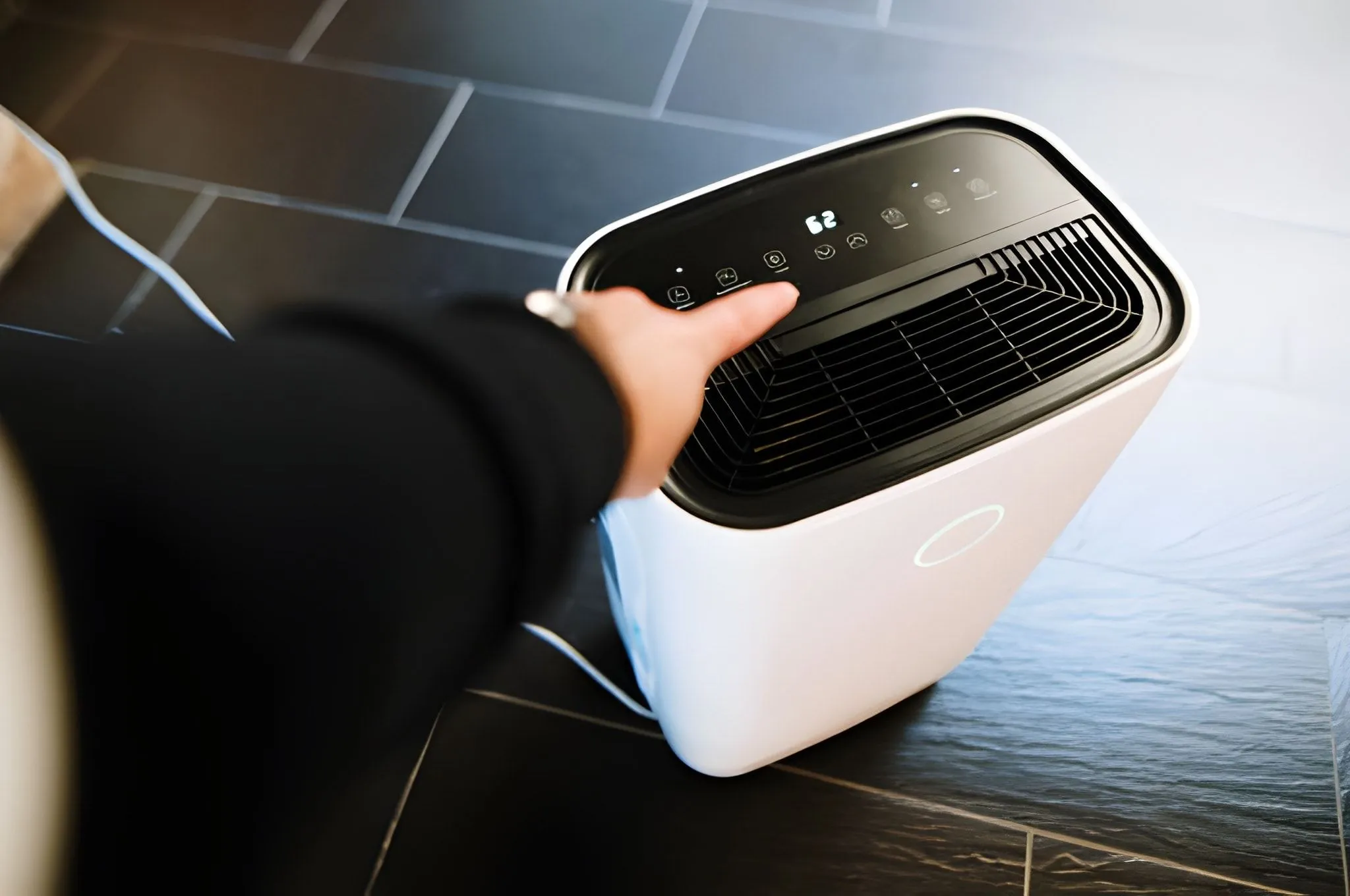
Whole House Humidifiers in Osawatomie, KS
Keeping indoor humidity balanced is one of the quickest ways to improve comfort, protect woodwork and instruments, and reduce dry-air health issues in Osawatomie, KS homes. Winters in eastern Kansas are typically cold and dry while summer storms and river valley microclimates can create swings in indoor moisture. A whole-house humidifier integrated with your HVAC system controls humidity evenly throughout the house, eliminating room-to-room variation that portable units cannot address.
Why a whole-house humidifier matters in Osawatomie, KS
- Improved comfort: Proper humidity reduces dry skin, static electricity, and the scratchy throat and nasal irritation common during heated, dry winters.
- Health and allergy benefits: Consistent humidity levels ease breathing and may reduce the spread of some airborne particles.
- Home protection: Maintains wood floors, cabinetry, trim, and musical instruments by preventing excessive shrinkage and cracking caused by low indoor moisture.
- Efficiency gains: Well-controlled humidity can let you feel warmer at lower thermostat settings, improving perceived comfort without overworking heating equipment.
Types of whole-house humidifiers and which fits your home
- Bypass humidifiers
- Uses warm furnace air routed through a water-soaked pad; requires a return-to-supply duct connection.
- Pros: Energy efficient, lower upfront cost.
- Cons: Relies on furnace operation and duct layout; slower response time.
- Fan-powered humidifiers
- Same principle as bypass but with an internal fan to force air across the media.
- Pros: Faster humidification and better output for tighter homes.
- Cons: Higher energy use and slightly noisier.
- Steam humidifiers
- Produces steam independently of the furnace and injects it into the duct or living spaces.
- Pros: Precise control, high output, ideal for large homes or very dry climates.
- Cons: Higher installation/maintenance requirements and water treatment may be needed.
Choosing the right type depends on home size, duct configuration, desired control precision, and local water quality.
How whole-house humidifiers integrate with existing HVAC systems
Whole-house humidifiers are mounted in or near the furnace plenum, on a return/supply duct, or as a steam unit mounted remotely with a distribution duct. Controls can be standalone humidistats or integrated with modern thermostats for automatic humidity management. Integration considerations for Osawatomie homes include:
- Furnace type and location (gas, electric, heat pump) — affects compatibility.
- Duct layout — bypass units need a return-to-supply pathway; limited or leaky ducts may need repair first.
- Water supply and drainage access — required for most units.
- Local indoor air concerns — if you have hard water, scale-resistant materials or water treatment may be advisable.
Sizing and selection guidance
Proper sizing is critical for performance. Key factors a professional will evaluate:
- Square footage and ceiling heights of conditioned space.
- Insulation levels and window efficiency.
- Air leakage rate (tight homes need less humidification than drafty ones).
- Typical winter outdoor humidity and how low you want indoor RH to be (most homes aim for 35–45% in winter).
- Existing HVAC airflow and whether duct modifications are needed.
A correctly sized system delivers target humidity reliably without overworking the HVAC equipment or creating condensation risks.
Professional installation process
A standard professional installation includes:
Professional installation ensures optimal placement, minimizes leak risk, and protects manufacturer warranties.
Routine maintenance and what to expect
Proper maintenance keeps a humidifier working efficiently and prevents problems:
- Replace or clean the evaporative pad/media annually (or more often with hard water).
- Inspect and clean the water feed line, solenoid valve, and drain to prevent clogs and bacterial buildup.
- Check and calibrate humidistat and controls each heating season.
- For steam units, descale or replace electrodes and inspect the steam distribution to prevent mineral accumulation.
- During spring/summer shutdown, drain and clean components per manufacturer instructions.
Many maintenance plans bundle seasonal inspections and pad replacements for predictable upkeep.
Expected costs and value factors
Costs vary with system type, home size, ductwork needs, and local installation complexity. Factors that increase cost include steam units, extensive duct modification, water treatment for hard water, and high-capacity systems for large homes. Consider total lifecycle value: energy savings from improved comfort, fewer damage repairs to woodwork, and reduced need for portable humidifiers.
Brands, warranties, and reliability
Recognized brands commonly used in whole-house humidification include Aprilaire, Honeywell, GeneralAire, and manufacturer lines often available through HVAC dealers. Typical protections include manufacturer warranties on components and optional installer workmanship guarantees. Warranty terms vary by model, so review coverage for parts, labor, and any required professional maintenance to keep warranties valid.
Financing and maintenance-plan options
Many homeowners pair installation with financing plans or seasonal maintenance agreements to spread upfront cost and ensure regular care. Maintenance plans commonly include biannual checks, media or filter replacements, priority scheduling, and discounts on repairs. Financing terms and maintenance packages differ by provider and should be compared for scope and fine print.
Common troubleshooting tips
- Unit not adding humidity: verify furnace operation, water supply to the unit, and that the humidistat is calling for humidity. Check for clogged pads or blocked drains.
- Over-humidifying or condensation on windows: reduce setpoint, inspect for airflow imbalance, or check for faulty humidistat. Excessive indoor humidity can promote mold if not corrected.
- Strange noises: fan-powered units may develop noisy bearings; loose mounts or duct vibrations should be inspected.
- Mineral buildup or white dust: hard water causes scale on pads and steam elements; water treatment or a scale-reducing model helps.
When in doubt, a seasonal inspection catches issues before they affect health or home structure.
Frequently asked questions
Q: How much humidity should I maintain in winter?
A: Aim for a comfortable range of about 35–45% relative humidity in winter to balance comfort and condensation risk on windows.
Q: Will a whole-house humidifier cause mold?
A: Properly installed and sized humidifiers controlled to safe humidity setpoints do not promote mold. Over-humidification or poor airflow can create condensation that supports mold growth, so correct sizing and control are essential.
Q: Can I add a humidifier to any furnace or heat pump?
A: Most systems can accommodate a humidifier, but specific compatibility and duct access determine the best model. Heat pumps and furnaces with limited duct access may be better served by steam units.
Q: How often do I need maintenance?
A: Replace evaporation pads annually and have a professional check controls, water lines, and valves once a year at minimum.
Q: Is a whole-house humidifier better than portable units?
A: Yes for whole-home consistency, convenience, and lower long-term cost and hassle. Portable units are useful for spot treatment but cannot control humidity evenly through the ducted system.
Q: How quickly will I notice benefits?
A: Many homeowners notice reduced dryness and less static within days, while wood and structural benefits accumulate over weeks to months.
A whole-house humidifier tailored to your Osawatomie home delivers reliable comfort, healthier indoor air, and long-term protection for your property when sized, installed, and maintained correctly.
Customer Testimonials
Service Areas