AC Repair in Williamsburg, KS
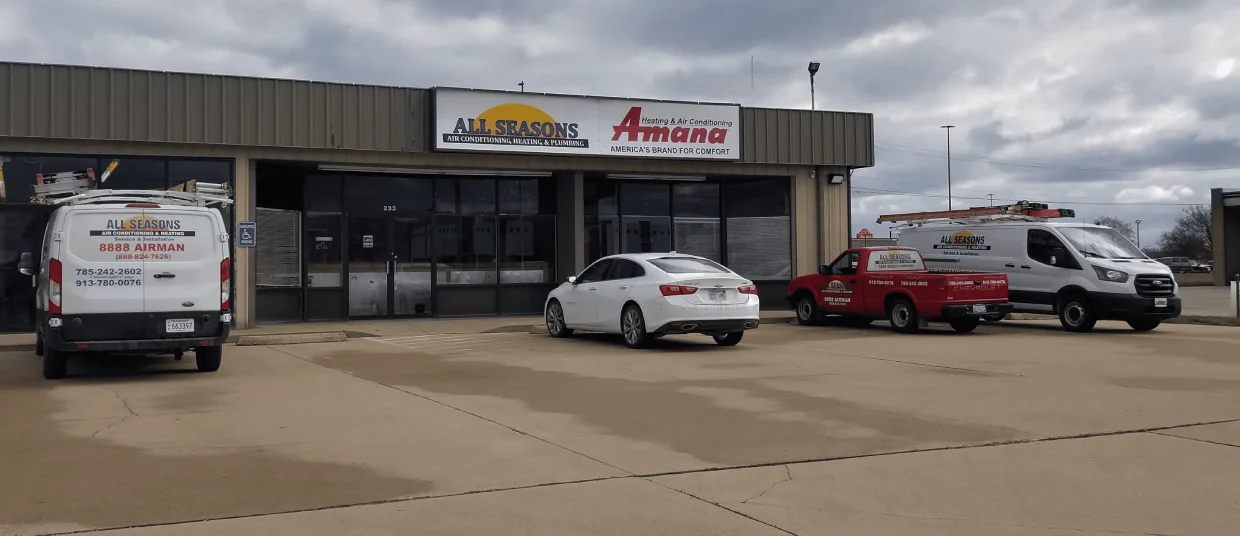
AC Repair in Williamsburg, KS from All Seasons Air Conditioning and Heating provides a comprehensive overview of common cooling problems, our diagnostic workflows, and repair options for residential systems. We outline typical issues such as insufficient cooling, refrigerant leaks, frozen coils, and electrical faults, and explain how our technicians perform visual inspections, performance tests, leak detection, and safety checks. We also cover emergency response expectations, technician qualifications, pricing factors, and step-by-step scheduling. Our preventive maintenance guidance highlights energy efficiency, longer equipment life, and budgeting benefits for Williamsburg homes.
.jpeg)
AC Repair in Williamsburg, KS
Keeping your air conditioner running reliably is essential in Williamsburg, KS, where hot, humid summers and sudden temperature swings put heavy demand on residential cooling systems. If your home is experiencing weak airflow, inconsistent temperatures, strange noises, or rising energy bills, timely professional AC repair can restore comfort, prevent more costly failures, and extend the life of your system. This page explains common AC problems in Williamsburg, diagnostic and repair approaches, emergency response expectations, technician qualifications, pricing factors, and how scheduling typically works.
Common AC problems in Williamsburg, KS
Residents in this region often face similar wear-and-tear and environment-driven issues. Common AC problems include:
- Lack of cooling or insufficient cold air: often caused by clogged filters, restricted airflow, failing compressors, or low refrigerant.
- Compressor or motor failures: heavy seasonal use, age, or electrical stress can lead to compressor burnout or fan motor failure.
- Refrigerant leaks or low refrigerant charge: older systems using phased-out refrigerants are more likely to need refrigerant recovery or retrofits.
- Electrical issues: tripped breakers, bad capacitors, failed contactors, or wiring corrosion cause intermittent operation or unit failure.
- Frozen evaporator coils: poor airflow, low refrigerant, or blocked returns cause icing and poor performance.
- Strange noises or vibrations: worn bearings, loose components, or debris in the outdoor unit create rattles, grinding, or squealing.
- Short cycling or frequent on/off cycles: often due to thermostat problems, improper refrigerant charge, or failing components.
Diagnostic and troubleshooting steps
A professional AC repair visit in Williamsburg typically follows a structured diagnostic process to identify root causes rather than just symptoms:
- Visual inspection: technician checks indoor and outdoor units for obvious problems like debris, damaged fins, or rodent damage to wiring.
- System performance checks: measure temperature split between supply and return air, monitor refrigerant pressures, and confirm airflow at registers.
- Electrical testing: verify voltage, current draw on motors and compressors, and test capacitors and relays for proper operation.
- Component-specific tests: check thermostat operation, condenser fan, blower motor, contactor, and compressor function.
- Leak detection and refrigerant analysis: use electronic detectors or dye to locate leaks and determine whether a recharge or repair is required.
- Safety and control evaluation: inspect safety switches, drain lines, and condensate pans to prevent water damage or corrosion-related failures.
Technicians document findings and explain repair options along with the expected outcomes and parts involved.
Typical repair procedures and parts replacement
Repairs are matched to the diagnosis and prioritized by safety, reliability, and cost-effectiveness. Common procedures include:
- Filter replacement and coil cleaning: restores airflow and efficiency for quick performance recovery.
- Capacitor, contactor, and motor replacement: routine fixes for electrical failures and start/run issues.
- Refrigerant leak repair and recharge: locate and seal leaks when possible, then recover, evacuate, and recharge using approved refrigerants and procedures.
- Compressor replacement: performed when compressors fail; may include evaluating whether system replacement is more cost-effective for older units.
- Fan blade or motor repairs: replace damaged blades or motors to eliminate vibration and improve airflow.
- Thermostat replacement or recalibration: addresses short cycling and inaccurate temperature control.
- Control board or sensor replacement: modern systems may need electronic parts to restore reliable operation.
Parts used comply with manufacturer specifications and safety standards. When refrigerant-containing components are replaced, technicians follow federal and state requirements for refrigerant handling and disposal.
Emergency AC repair and dispatch in Williamsburg
During peak summer months, quick response is critical. Emergency AC repair services in the area typically provide:
- Priority dispatch for situations where heat presents a health risk or system failure affects vulnerable household members.
- Same-day or next-day emergency windows depending on call volume and parts availability.
- On-site temporary fixes when full repairs require parts so the home regains cooling while longer repairs are scheduled.
- Coordination for after-hours or weekend service when urgent failures occur.
Availability varies seasonally; homeowners with maintenance agreements or membership plans commonly receive priority scheduling during high-demand periods.
Technician qualifications and safety standards
Quality AC repair relies on trained, certified technicians. Expect technicians to have:
- EPA Section 608 certification for refrigerant handling.
- Manufacturer training or dealer certifications on common equipment brands and models.
- Ongoing trade training such as Comfort Advisor programs, associate degrees, or mechanical certificates for deeper diagnostic skills.
- Proper licensing and adherence to local codes and safety practices.Technicians should use calibrated tools, follow lockout/tagout electrical safety protocols, and explain findings and repair steps in clear terms.
Typical pricing factors for AC repair in Williamsburg
Repair costs depend on several variables rather than a flat fee. Key factors include:
- Nature of the repair: simple part replacements like filters or capacitors are less costly than compressor or coil replacement.
- Parts and refrigerant type: availability and whether the system uses legacy refrigerants affect material costs.
- System age and model: older systems may require harder-to-find parts or justify recommending replacement rather than repair.
- Labor complexity and access: difficult-to-access rooftop units or confined mechanical closets increase labor time.
- Emergency or after-hours service: faster dispatch or weekend calls typically incur premium rates.
- Warranty and maintenance agreements: existing warranties or service plans can reduce out-of-pocket repair costs.
Technicians provide itemized diagnostics and explain how each factor influences the repair estimate.
How scheduling and service visits usually work
Scheduling an AC repair appointment typically follows these steps:
- Describe symptoms and recent performance history so dispatch can prioritize the call and bring the right diagnostic tools.
- A dispatcher or scheduling system offers available appointment windows based on urgency and technician assignments.
- Technicians arrive with diagnostic tools and common replacement parts for fast troubleshooting. A diagnostic fee is sometimes assessed and applied toward repairs if approved.
- After diagnosis, the technician explains repair options, the parts required, estimated time on-site, and expected outcomes before proceeding.
- For complex repairs requiring ordered parts or permits, techs provide a timeline and may offer temporary measures to restore partial cooling until full repairs are completed.
Preventive maintenance and long-term benefits
Regular preventive maintenance in Williamsburg reduces emergency repairs and helps systems run efficiently through hot summers. Benefits include improved energy efficiency, fewer breakdowns, extended equipment life, and more predictable budgeting for major repairs or replacement. Homes near wooded lots or with older ductwork may benefit from more frequent inspections to avoid debris-related issues and maintain indoor air quality.
If your home is showing signs of system stress or poor performance, a professional diagnostic visit provides clarity on the best path forward—repair, temporary mitigation, or replacement—based on safety, efficiency, and long-term value.
Customer Testimonials
Service Areas