AC Replacement in Princeton, KS
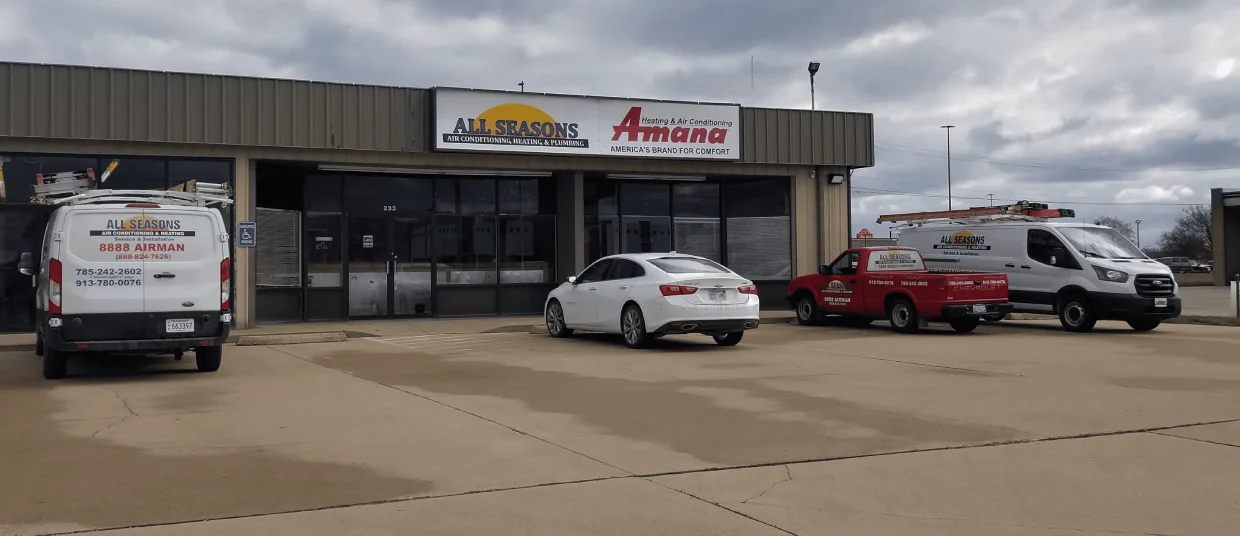
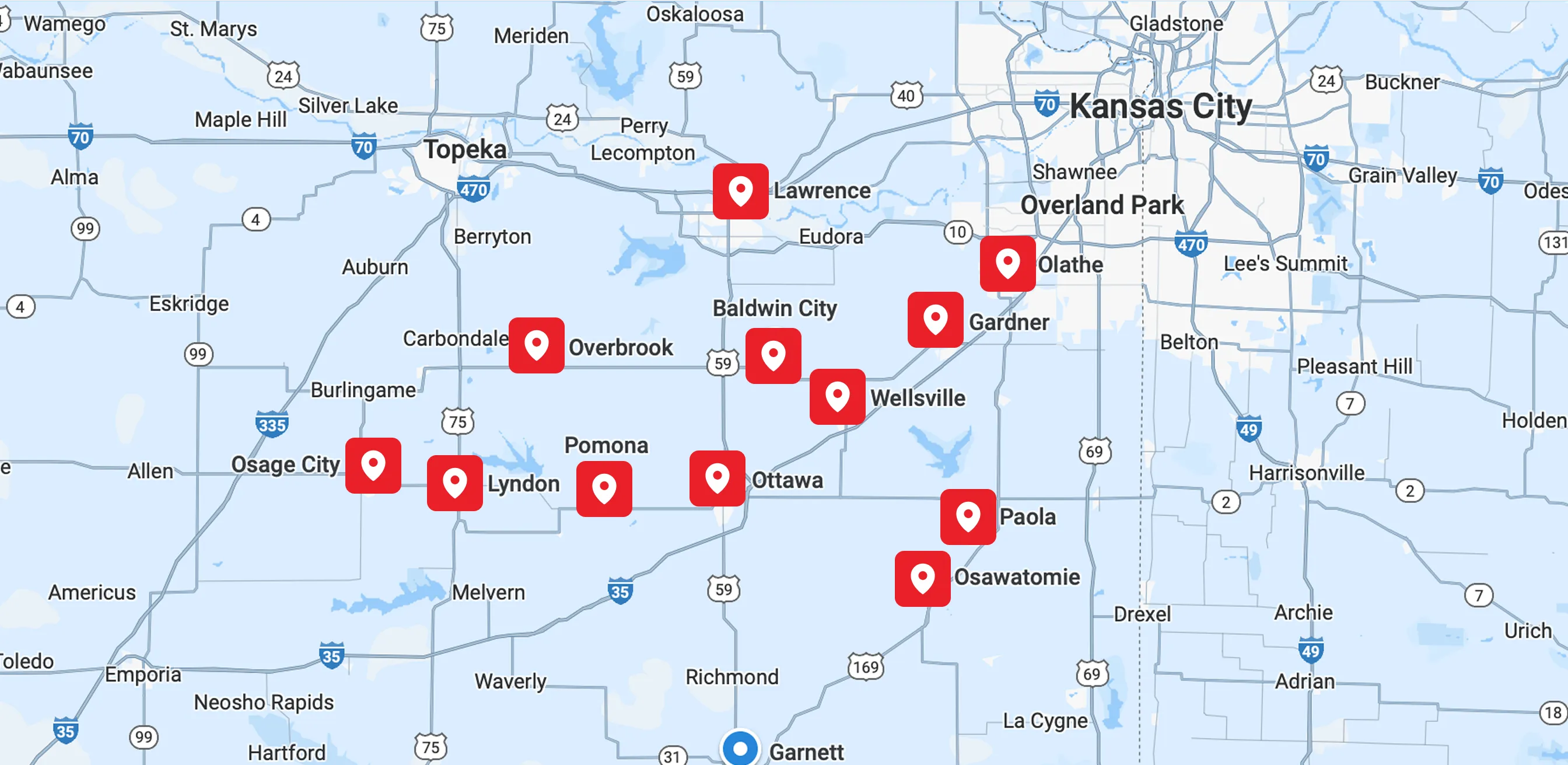
AC replacement in Princeton, KS with All Seasons Air Conditioning and Heating involves a thorough evaluation of your current system, right-sizing with Manual J calculations, and selecting an energy-efficient setup tailored to our local climate. Our installation process covers site preparation, component installation, refrigerant handling, duct sealing, commissioning, and thermostat programming. Timelines typically span 1–2 days for standard homes, with longer durations for duct or electrical work. We also offer financing options, discuss rebates, warranties, and maintenance plans to help maximize your savings and protect your new investment. Experience improved comfort and lower energy bills with us.
AC Replacement in Princeton, KS
Replacing your air conditioner is a major decision for Princeton, KS homeowners. With hot, humid summers and cold winters that stress HVAC systems, an undersized or aging AC can drive up energy bills, shorten equipment life, and reduce indoor comfort. This page explains the AC replacement process, how we determine the right system for your home, what to expect during installation and removal, financing and rebate options commonly available, warranty considerations, and the typical efficiency and cost-savings you can expect after replacement.
Why replace your AC now?
Common reasons Princeton homeowners choose replacement:
- Frequent breakdowns and rising repair costs on aging systems
- Poor cooling, uneven rooms, or high indoor humidity
- Legacy equipment with low SEER ratings and high energy use
- R-22 refrigerant phaseout or leaking refrigerant
- Desire for quieter, more efficient, or smart-capable systems
Replacing at the right time prevents emergency failures during peak summer heat and can deliver immediate comfort and efficiency benefits.
Initial system evaluation and diagnostics
A professional replacement begins with a thorough evaluation of your existing system and home:
- Visual inspection of condenser, evaporator, ductwork, and thermostat
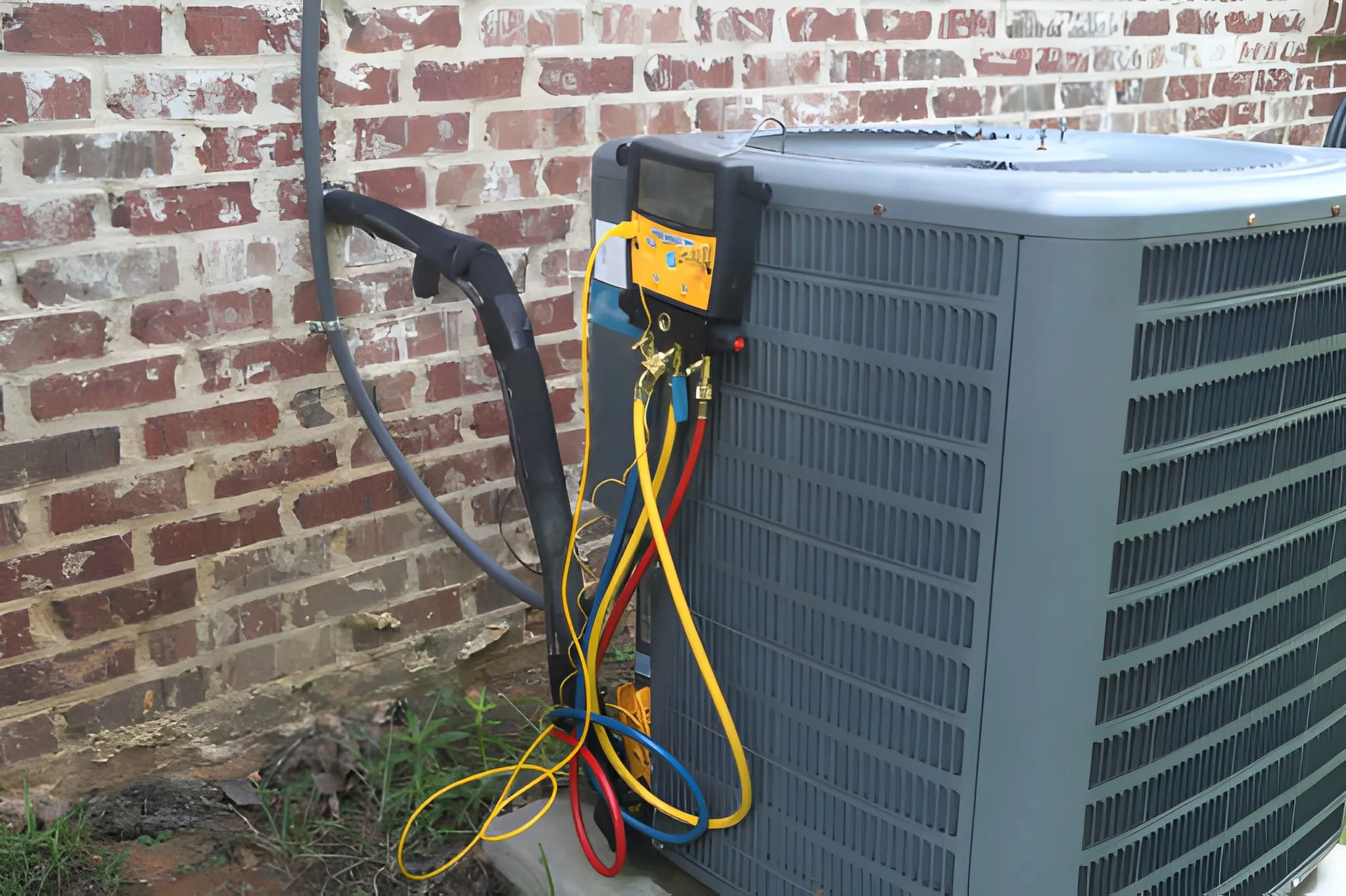
- Performance checks: refrigerant pressures, airflow, and electrical load
- Review of past service history and compressor condition
- Identification of any duct leaks, insulation gaps, or airflow restrictions common in older Princeton homes
This diagnostic step determines whether a full replacement is necessary and flags any preparatory repairs (ductwork, electrical upgrades, or insulation) that improve final performance.
Load calculations and right-sizing
Right-sizing the new system is essential. We use industry-standard load calculations (Manual J) to determine your home’s cooling needs based on:
- Square footage, ceiling heights, and insulation levels
- Window type, orientation, and shading (important in sunny Kansas summers)
- Number of occupants and typical internal heat gains
- Duct losses and ventilation requirements
Oversized units short-cycle, failing to remove humidity; undersized units run continuously and can never reach setpoints. Proper sizing ensures efficient operation and better humidity control for Princeton’s humid months.
Choosing the right equipment
Recommendations focus on energy-efficient, reliable options with features that match local needs:
- Higher SEER ratings (14–20+ SEER) for lower energy use during long cooling seasons
- Variable-speed or two-stage compressors for improved comfort and dehumidification
- Matched indoor coil and air handler for optimal efficiency
- Upgraded thermostats with programmable or smart controls for schedule-based savings
Energy efficiency matters in Princeton because higher-efficiency systems deliver the greatest savings during extended hot spells. Many homeowners opt for variable-speed equipment to manage humidity and comfort more precisely.
Removal of old equipment and responsible disposal
Removal follows environmental and safety best practices:
- EPA-certified technicians recover refrigerant to prevent atmospheric release
- Disconnect and remove outdoor condenser and indoor coil/air handler or furnace components as required
- Proper disposal or recycling of metal, copper, and insulation per local regulations
- Documentation of refrigerant handling and disposal practices
Responsible disposal protects the environment and ensures compliance with current refrigerant regulations.
Professional installation steps and timeline
Typical installation sequence:
- Finalize equipment selection and verify right-size specs
- Prepare the site: install new pad, level condenser, or make minor structural adjustments
- Install indoor coil/air handler or evaporator and connect refrigerant lines and electrical
- Evacuate and vacuum lines, then charge system to specification
- Seal and test duct connections, verify airflow, and balance supply/return
- Program thermostat and run commissioning tests: temperature split, refrigerant pressures, amp draws
- Walk through system operation and maintenance expectations
Timeline: For most Princeton single-family homes, a standard replacement is completed in 1–2 days. Homes requiring duct modifications, electrical service upgrades, or attic access work may take 2–3 days.
Permits, codes, and safety
Installations adhere to local building codes and permitting requirements. Technicians confirm proper electrical sizing, grounding, and safe refrigerant handling. Proper permitting protects resale value and ensures long-term safety.
Financing options and rebates
Many homeowners use financing to spread the upfront cost. Common options include:
- Manufacturer financing programs for qualifying buyers
- Third-party home improvement loans and deferred-payment plans
- Seasonal promotional financing from local HVAC providers
Rebates and incentives often reduce net cost:
- Utility company rebates or seasonal incentives for high-efficiency systems
- Manufacturer rebates on select models
- State or federal tax incentives when applicable for qualifying equipment
Available programs change over time; exploring manufacturer, utility, and government incentives can significantly improve project value.
Warranties and long-term protection
Two warranty types matter:
- Manufacturer warranties: typically cover compressors and parts (ranges vary; many high-efficiency systems include 10-year parts or compressor warranties)
- Labor warranties: local workmanship guarantees for installation errors or corrective adjustments
Proper registration of manufacturer warranties and regular maintenance (biannual tuneups) help preserve coverage and extend system life.
Expected efficiency gains and cost savings
Replacing an old 10 SEER unit with a modern 16 SEER system can reduce cooling energy use roughly 30–40%, depending on usage patterns and local electricity rates. Variable-speed systems may yield additional savings through better humidity control and reduced runtime. For Princeton households, these efficiency gains translate into:
- Lower monthly electric bills during summer months
- Improved comfort with consistent temperatures and reduced humidity
- Reduced repair costs and fewer emergency service calls over time
Actual savings depend on home size, insulation, thermostat settings, and hours of operation. Proper duct sealing and basic insulation improvements amplify savings and comfort.
Post-installation considerations and maintenance
To protect your investment:
- Enroll in seasonal maintenance: annual or biannual tuneups keep performance and warranties intact
- Replace filters regularly and monitor airflow
- Consider a maintenance plan that includes priority service and discounted repairs common in the Princeton area
Replacing your AC is both a comfort and efficiency upgrade. By focusing on professional evaluation, correct sizing, quality installation, and available incentives, homeowners in Princeton, KS can expect a more reliable system, lower energy bills, and better indoor comfort for years to come.
Customer Testimonials
Service Areas