
Ventilation in Princeton, KS
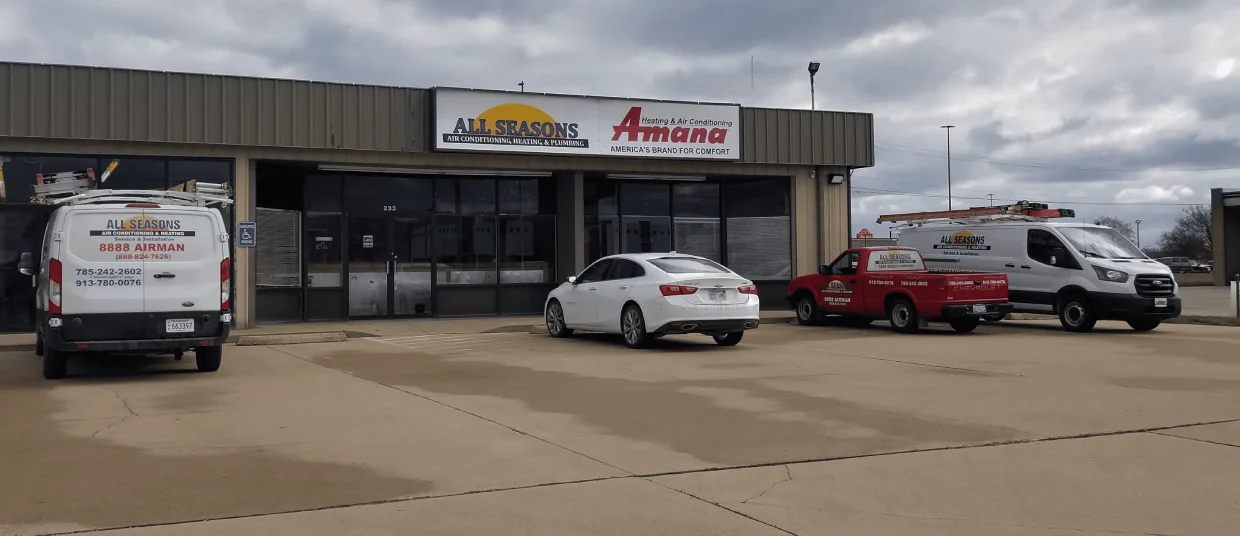
All Seasons Air Conditioning and Heating explains professional ventilation services for Princeton, KS homes, detailing our assessment, system selection, and installation options perfectly suited to the local climate. We cover ERV/HRV, exhaust, supply, and spot ventilation, plus how we evaluate envelope tightness, ductwork, and filtration needs. Readers will learn what an on-site assessment includes, our meticulous installation and testing process, and routine maintenance that preserves indoor air quality, humidity control, and allergen reduction. Our practical tips help homeowners choose the right equipment, manage energy use, and maintain comfortable, healthy indoor environments year-round.
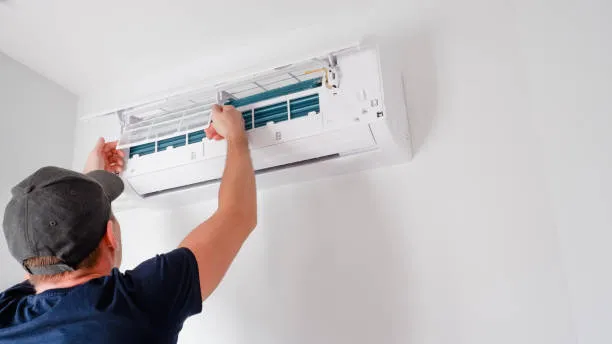
Ventilation in Princeton, KS
Proper ventilation is one of the most important yet overlooked upgrades you can make to a Princeton, KS home. With humid summers, cold winters, and seasonal spikes in pollen and agricultural dust, uncontrolled indoor air can lead to discomfort, higher allergy symptoms, increased energy use, and moisture problems. This page explains how professional ventilation services work in Princeton, KS homes, how different technologies compare, what to expect from on-site assessments and installations, and how routine service keeps your system operating efficiently and reducing indoor allergens.
Why ventilation matters in Princeton, KS
- Humidity control: Summers in Franklin County bring high humidity that contributes to mold growth, musty odors, and discomfort. A balanced ventilation system helps control indoor moisture without overloading the air conditioner.
- Allergens and dust: Farming and open fields around Princeton raise airborne pollen and dust seasonally. Proper ventilation with filtration lowers indoor allergen loads.
- Tight homes and combustion safety: Many homes are built or upgraded for energy efficiency. Tighter building envelopes trap indoor pollutants and can affect combustion appliance safety unless ventilation is properly designed.
- Year round comfort: Effective ventilation improves perceived comfort by managing stale air, removing odors, and helping maintain consistent indoor humidity.
Common ventilation issues in Princeton, KS homes
- Stale, stuffy rooms with odors or lingering cooking smells
- High indoor humidity or recurring mold spots in basements and bathrooms
- Seasonal allergy flare ups despite regular cleaning
- Uneven airflow and pressure imbalances that draw dust into living areas
- Excessive energy use due to poorly matched ventilation and HVAC systems
Types of residential ventilation and how to choose
Choosing the right technology depends on your home size, envelope tightness, family health concerns, and local climate.
- Balanced systems (ERV / HRV)
- ERV (Energy Recovery Ventilator): Transfers heat and a portion of moisture between incoming and outgoing air. Best for Princeton because it reduces humidity transfer during hot, humid summers while recovering energy in winter.
- HRV (Heat Recovery Ventilator): Transfers heat only. Useful in cold, dry climates; still effective in Princeton if humidity control is addressed separately.
- Benefits: Balanced pressure, continuous fresh air, energy recovery, strong filtration options.
- Best for: Tight, well-insulated homes and households with allergy or asthma concerns.
- Exhaust ventilation
- Removes indoor air using fans (bathroom, kitchen, attic). Simple, lower upfront cost but creates negative pressure that can pull in outdoor pollutants or backdraft combustion gases.
- Best for: Adding targeted ventilation in specific rooms, or in homes where a full balanced system is not feasible.
- Supply ventilation
- Supplies filtered outdoor air into the home, creating slightly positive pressure which helps keep out dust and soil gases.
- Best for: Homes with combustion appliances that require makeup air and homeowners who want controlled filtration without moisture transfer.
- Spot ventilation
- Localized fans for bathrooms and kitchens. Essential to remove moisture and odors at the source but not a substitute for whole-house ventilation.
On-site assessment: what a professional will inspect
A thorough assessment ensures the recommended system fits your Princeton home and family needs. Typical inspection items:
- Home envelope tightness and insulation levels
- Existing HVAC and duct layout and condition
- Moisture-prone areas (basement, crawlspace, attic)
- Current indoor air quality symptoms and family health concerns
- Combustion appliances and ventilation interactions
- Filtration goals and maintenance capabilities
Technicians will measure airflow requirements in CFM, check pressure relationships between indoors and outdoors, and recommend balanced or supply/exhaust strategies that prevent backdrafting and excessive humidity.
Professional installation and testing process
Professional installation ensures the system performs as intended and integrates safely with your heating and cooling:
- Sizing and layout: Correctly sized ERV/HRV or fans and properly routed ductwork to key living areas and bedrooms.
- Duct sealing and balancing: Sealing leaks and balancing airflow so each room receives the correct fresh air without pressure problems.
- Controls and integration: Installing timers, humidity controls, or integrating ventilation controls with the HVAC system for coordinated operation.
- Commissioning tests: Measuring actual CFM, checking differential pressures, testing CO2 and relative humidity levels, and verifying energy recovery cores are functioning.
- User orientation: Simple instructions on filters, seasonal settings, and signs to watch for that indicate maintenance is needed.
Benefits for indoor comfort and allergen reduction
- Reduced allergens: Filtration in ERV/HRV and supply systems removes pollen, dust, and airborne particles before they enter living spaces.
- Better humidity control: ERVs help moderate humidity in summer and retain moisture in winter, reducing mold risk and improving comfort.
- Consistent fresh air: Continuous ventilation removes stale air, VOCs, and odors so rooms feel fresher without opening windows to dusty fields.
- Energy efficiency: Energy recovery minimizes heating and cooling penalties while providing necessary ventilation.
- Health and sleep quality: Lower CO2 and fewer allergens commonly lead to better sleep and fewer allergy or asthma triggers.
Routine service plans and typical maintenance tasks
Regular maintenance keeps ventilation systems operating efficiently and protects indoor air quality:
- Twice-yearly inspections for ERV/HRV cores, fans, and controls
- Filter changes on a scheduled basis; frequency varies by MERV rating and household conditions
- Cleaning or replacing energy recovery cores every 2 to 5 years depending on use and local dust levels
- Checking condensate drains and outdoor hoods for blockages, especially after storms or during pollen season
- Seasonal adjustments to controls to match humidity and temperature swings in Princeton
Routine service plans usually outline inspection frequency, included tasks, and recommended parts replacement intervals so you always know when the system needs attention.
Financing and value considerations
Many homeowners offset installation costs through financing plans or local utility rebates for energy-efficient ventilation equipment. When evaluating value, consider long-term savings from reduced HVAC run time, lower allergy-related health costs, and protection against moisture damage and mold remediation.
Practical tips for Princeton homeowners
- Aim for balanced ventilation (ERV) if your home is well sealed and you want humidity control.
- Keep indoor humidity between 30 and 50 percent to limit mold and dust mite growth.
- Replace filters on schedule and use MERV-rated filters suitable for your system.
- Ensure bathrooms and kitchens have properly vented exhaust to the outside rather than into attics or crawlspaces.
- Monitor indoor air for persistent odors or condensation on windows—these are signs ventilation needs attention.
This information outlines what to expect from professional ventilation services in Princeton, KS, how different systems perform in local conditions, and how regular maintenance preserves indoor comfort and air quality. Properly designed and maintained ventilation reduces allergens, controls moisture, and keeps your home healthier and more comfortable year round.
Customer Testimonials
Service Areas